The Maturation of the EV Ecosystem: A New Investment Frontier for Circularity
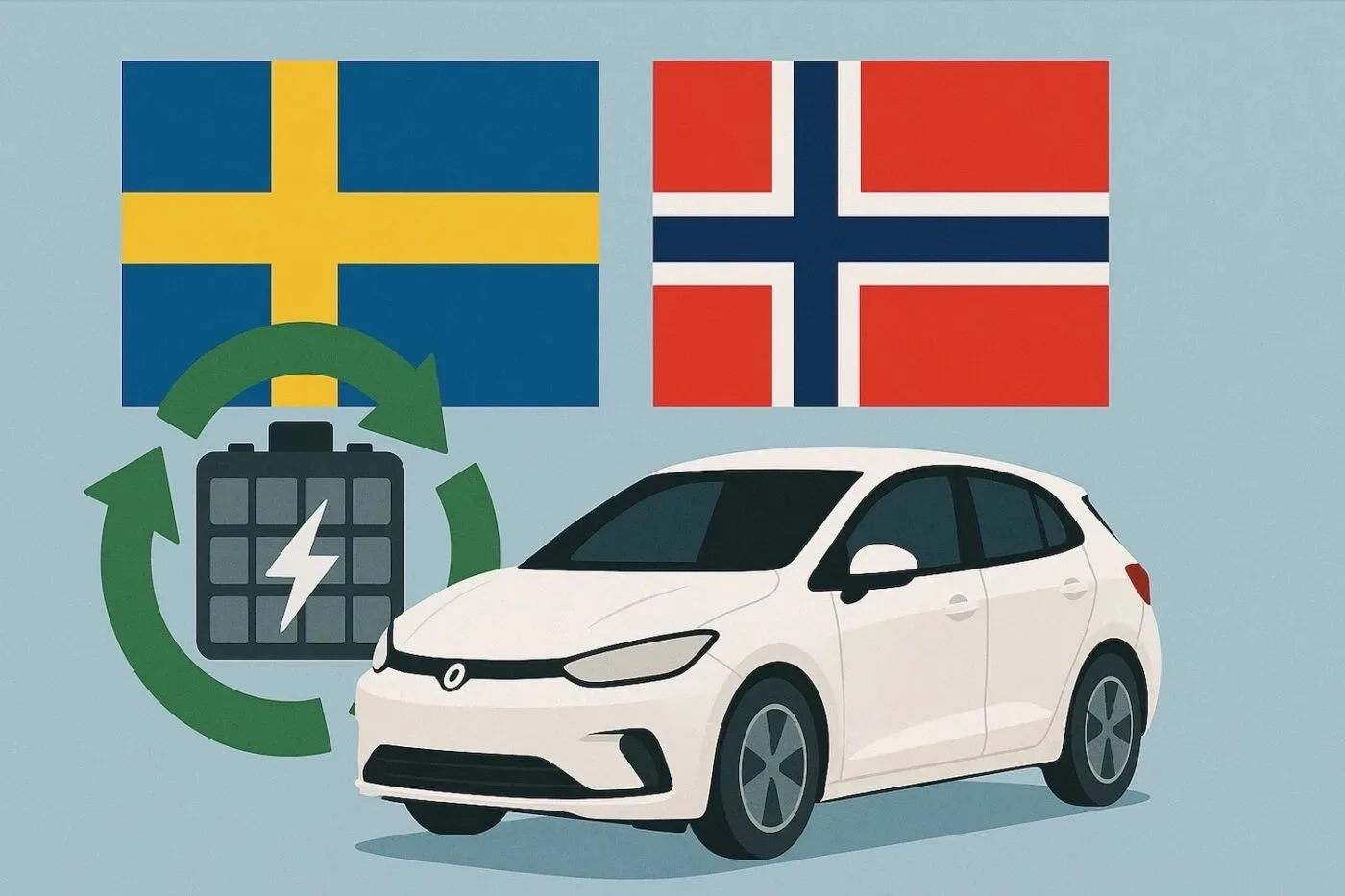
The energy transition continues to accelerate, and while much of the investment focus has historically been on the production and adoption of electric vehicles (EVs), a critical new phase is now emerging: the circular economy for EV batteries. Recent moves in the Nordic region highlight this shift, as Norway’s Autoretur Battery Recycling (ABR) and Sweden’s FoRetur, subsidiaries of their respective national car importer associations, forge a strategic partnership. This collaboration signifies a pivotal moment where the EV market is maturing beyond sales figures, demanding robust, sustainable, and economically viable end-of-life solutions for its core components. For oil and gas investors, understanding this evolution is crucial, not just as an external trend, but as a potential avenue for diversification, technological transfer, and long-term value creation in a decarbonizing world.
Regulatory Tailwinds and the Critical Mineral Imperative
The impetus for this Nordic alliance is clear: the stringent requirements of the new EU Battery Regulation. This legislation is a game-changer, mandating higher collection rates and recycled content targets for EV batteries, effectively laying the groundwork for a truly circular battery economy across Europe. The Norwegian and Swedish initiative, aiming to establish an efficient, coordinated take-back system, is a direct response, anticipating a significant increase in end-of-life batteries. Projections indicate Norway alone will need to manage over 50,000 batteries annually within five years, escalating to more than 100,000 by 2035. This isn’t merely an environmental mandate; it’s a strategic imperative to secure critical mineral supply chains. As global demand for lithium, cobalt, nickel, and other essential battery materials intensifies, recycling offers a domestic, less geopolitically sensitive source. For O&G companies with expertise in large-scale industrial processes, logistics, and chemical engineering, this rapidly expanding sector presents a compelling opportunity for strategic pivots or complementary investments, leveraging existing operational strengths.
Navigating Volatility: O&G Market Headwinds and Diversification Pressure
The emerging stability of the EV circular economy contrasts sharply with the ongoing volatility in traditional oil and gas markets. As of today, Brent Crude trades at $90.38, reflecting a significant -9.07% drop within the day’s range of $86.08-$98.97. WTI Crude mirrors this trend, standing at $82.59, down -9.41% from its daily high. This bearish sentiment is not isolated, with Brent having declined by over 18% from $112.78 just two weeks ago to its current level. Gasoline prices also reflect this downturn, at $2.93, a -5.18% decrease today. This persistent price instability weighs heavily on investor sentiment, as evidenced by common questions from our readers, such as “What do you predict the price of oil per barrel will be by end of 2026?” and inquiries about specific company performance like Repsol. The consistent downward pressure on crude prices underscores the increasing financial rationale for O&G majors and investors to diversify their portfolios. Investments in battery recycling infrastructure offer a hedge against fossil fuel price swings, providing exposure to an industrial sector underpinned by long-term regulatory support and growing demand for critical materials, rather than just energy commodities.
Forward-Looking Catalysts and Strategic Positioning
The immediate future for oil markets remains heavily influenced by key scheduled events. This weekend, the OPEC+ Joint Ministerial Monitoring Committee (JMMC) and the full Ministerial Meeting will convene, with their decisions on production quotas likely to dictate short-term price movements. Following these, the market will closely watch the API Weekly Crude Inventory report on April 21st and the EIA Weekly Petroleum Status Report on April 22nd, both critical indicators of supply-demand balances. Later in the week, the Baker Hughes Rig Count will offer insights into drilling activity. While these events create significant short-term trading opportunities and risks in the traditional O&G space, they also highlight the cyclical nature of commodity markets. In contrast, the development of battery recycling infrastructure, like the Nordic initiative, represents a more structural, long-term investment. For investors asking about OPEC+’s current production quotas and their impact on future oil prices, it’s essential to also consider how these short-term market dynamics might accelerate the strategic shift towards sustainable technologies. Companies that proactively invest in the circular economy for EVs are positioning themselves for long-term resilience, independent of the daily fluctuations driven by OPEC+ decisions or weekly inventory reports, effectively future-proofing their asset base against the broader energy transition.
Investor Focus: Beyond Barrels to Batteries
Oil and gas investors are increasingly looking beyond immediate crude price forecasts. Questions about the long-term price of oil by the end of 2026, or the performance of diversified energy players, indicate a growing awareness of the need for strategic foresight. The Nordic battery recycling collaboration exemplifies a crucial aspect of this foresight. By establishing a framework for circularity, these nations are not just addressing environmental concerns; they are building a new industry. This involves creating economies of scale, maximizing resource efficiency, and developing harmonized reporting systems – capabilities that resonate with the operational expertise often found within the traditional energy sector. For O&G companies, this could mean direct investment in recycling facilities, developing specialized logistics for battery collection, or even integrating their existing chemical processing capabilities into battery material recovery. The shift from a linear “extract-use-dispose” model to a circular one for critical EV components signals a profound change in the energy landscape, offering robust, long-term investment themes that are less susceptible to geopolitical shocks and more aligned with global decarbonization goals. Investors who recognize and capitalize on this evolving circular economy will be best positioned for sustained growth in the broader energy sector.