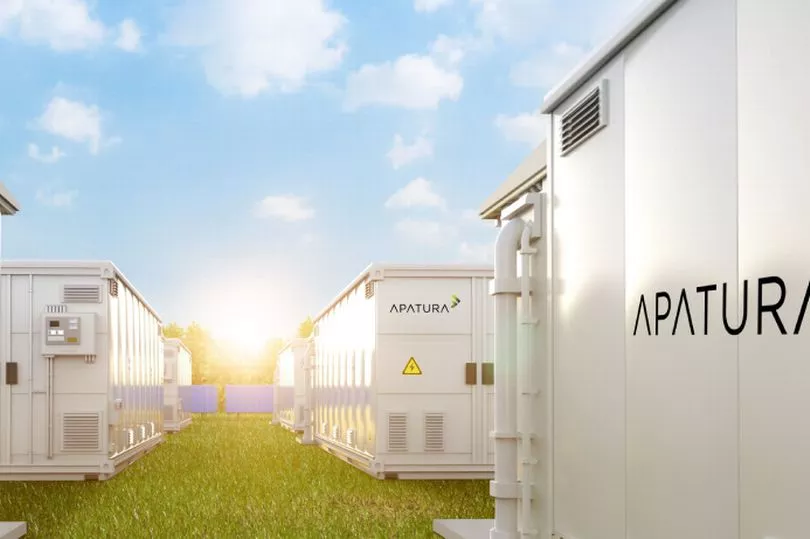
Drax Group’s recent acquisition of a £157.2 million portfolio of battery energy storage system (BESS) projects marks a significant strategic maneuver, underscoring the accelerating shift in the UK’s energy landscape. This move, encompassing three projects totaling 260MW, positions the North Yorkshire-based power operator firmly within the burgeoning sector of grid-scale energy storage. For investors tracking the energy transition, this isn’t just another corporate deal; it’s a clear signal of Drax’s commitment to building a diversified, flexible generation portfolio capable of supporting a renewables-heavy grid, offering both enhanced energy security for the nation and compelling long-term value for shareholders.
The Strategic Pivot: Anchoring UK Energy Security with Storage
Drax’s investment in these three BESS projects represents its inaugural foray into short-duration storage, a crucial component of its broader “FlexGen” strategy. The acquisition, finalized with developer Apatura, includes sites in Marfleet (Hull), Neilston (East Renfrewshire), and East Kilbride (Lanarkshire). Two of these projects are set to complete acquisition this year, with the third following in Q1 2026. Construction across all sites is slated to commence next year, aiming for the first operational facility by 2027. This phased approach, with staged payments between 2025 and 2028 tied to construction milestones, demonstrates a prudent capital allocation strategy while securing significant future capacity. The 260MW capacity, once fully commissioned, will contribute meaningfully to grid stability, offering dispatchable power to balance the intermittency inherent in wind and solar generation. This proactive diversification is essential for any major power producer looking to thrive in a decarbonizing economy, moving beyond traditional generation methods to embrace the future of flexible, on-demand energy.
Market Volatility and the Drive for Grid Stability
The timing of Drax’s strategic pivot into battery storage couldn’t be more pertinent, especially when viewed against the backdrop of current market dynamics in traditional energy commodities. As of today, Brent crude trades at $90.38, marking a significant 9.07% decline in a single day, with WTI crude similarly down 9.41% to $82.59. This daily volatility follows a more pronounced trend, with Brent having plummeted from $112.78 on March 30th to its current level, representing a nearly 20% drop in just over two weeks. Such sharp movements underscore the inherent unpredictability of fossil fuel markets, driven by geopolitical tensions, supply-demand imbalances, and evolving economic forecasts. For nations like the UK, heavily reliant on imported energy, this volatility translates directly into energy security risks and price instability for consumers. Drax’s investment in domestic BESS capacity directly addresses this challenge, offering a buffer against price shocks and ensuring a more reliable, resilient power supply. It’s a clear move to de-risk its future revenue streams from the whims of the global oil market, aligning with the broader national imperative for energy independence.
Investor Sentiment and the Future of Energy Infrastructure
Our proprietary reader intent data reveals a keen focus on the future of energy, with investors actively seeking clarity on long-term trends. Questions ranging from “What do you predict the price of oil per barrel will be by end of 2026?” to queries about OPEC+ production quotas highlight the prevailing uncertainty surrounding traditional energy. Simultaneously, there’s growing interest in understanding the underlying data sources and APIs powering market insights, indicating a desire for robust, forward-looking analysis. Drax’s BESS acquisition speaks directly to these investor concerns about sustainable returns in a rapidly evolving energy landscape. By investing in battery storage, Drax is not only mitigating exposure to fossil fuel price volatility but also tapping into a growth sector aligned with global decarbonization efforts. The CEO’s emphasis on creating value and growth in the short, medium, and long term, underpinned by strong cash generation and disciplined capital allocation, resonates with investors seeking attractive returns significantly in excess of the weighted average cost of capital. Furthermore, the option over an additional eight sites being developed by Apatura signals a clear growth pipeline, offering further opportunities for expansion and value creation in the burgeoning energy storage market.
Navigating the Energy Transition: Upcoming Catalysts and Long-Term Outlook
While the immediate focus for many oil and gas investors might be on the upcoming OPEC+ Joint Ministerial Monitoring Committee (JMMC) meeting on April 19th and the subsequent Ministerial Meeting on April 20th, which will undoubtedly influence crude supply and pricing, Drax’s strategic moves illuminate a different, equally critical, long-term trajectory for the energy sector. These OPEC+ discussions, alongside regular API and EIA weekly inventory reports (due April 21st/22nd and April 28th/29th), dictate the pulse of conventional markets. However, Drax’s £157.2 million commitment to BESS projects underscores a fundamental shift towards decentralized, flexible, and renewable-compatible infrastructure. As the UK’s network increases its reliance on intermittent renewables, the necessity for dispatchable and reliable generation will only intensify. Drax’s stated goal of providing 4.4GW of dispatchable generation, combining long-duration energy storage, flexible generation, and biomass, positions it as a key player in ensuring grid stability when the wind isn’t blowing or the sun isn’t shining. This strategic alignment with the UK’s energy needs, complemented by a robust development pipeline and a clear path to commissioning, offers a compelling investment thesis for those looking beyond the immediate fluctuations of the crude market towards the foundational shifts defining the energy transition.


