Geopolitical Chess and Critical Material Supply Chains
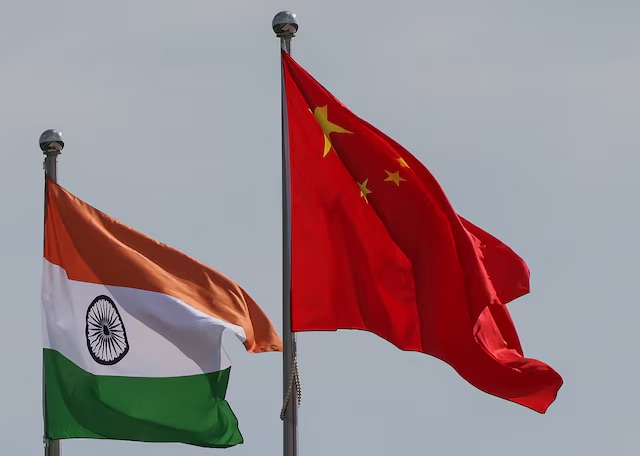
The recent development of India securing licenses for rare earth magnet imports from China marks a nuanced, yet critical, shift in the global supply chain for strategic materials. While seemingly a bilateral trade agreement, this move underscores the immense geopolitical leverage China wields through its near-absolute dominance in the processing technology for rare earth elements. These 17 elements are indispensable for myriad high-tech applications, from electric vehicles and wind turbines to advanced weaponry and consumer electronics. Beijing has consistently demonstrated its willingness to utilize these materials as a tool of statecraft, implementing increasingly stringent export controls to reinforce its geopolitical influence, particularly amidst ongoing trade tensions with the United States.
The strategic importance of these materials cannot be overstated. China’s expanded export controls, announced on October 9, included five new elements and dozens of refining technologies, alongside new compliance requirements for foreign producers utilizing Chinese materials. These restrictions also extended to electric battery equipment and industrial diamonds, triggering a global scramble for accelerated shipments, as evidenced by major players like India’s Reliance Industries rushing to secure supplies before early-November deadlines. The fragility of single-supplier dependence has been starkly highlighted, driving nations and corporations alike to reassess their critical material sourcing strategies. India’s ability to secure these licenses, even if the specifics remain undisclosed, offers a temporary reprieve and signals Beijing’s calculated flexibility in managing its economic relationships.
Navigating Volatility: Rare Earths and the Broader Energy Market
While the focus on rare earth magnets might seem distinct from traditional oil and gas markets, the underlying theme of supply chain stability and geopolitical risk is highly relevant for energy investors. The global energy transition hinges on access to these critical materials for renewable energy infrastructure and electric vehicles. Disruptions here can have ripple effects across the broader energy landscape, influencing demand forecasts for fossil fuels and the pace of green energy adoption.
Against this backdrop of strategic material maneuvering, the conventional energy markets are exhibiting significant volatility. As of today, Brent Crude trades at $90.38, reflecting a substantial 9.07% daily decline, with its intraday range spanning from $86.08 to $98.97. Similarly, WTI Crude has fallen to $82.59, down 9.41%, within a daily range of $78.97 to $90.34. This acute daily downturn follows a more protracted negative trend; Brent Crude has shed nearly 20% of its value over the past 14 days, plummeting from $112.78 on March 30th to its current level. Gasoline prices also saw a notable drop, trading at $2.93, down 5.18%. This simultaneous turbulence in crude markets and the ongoing geopolitical friction over rare earths emphasize a period of heightened uncertainty for investors, who must weigh both direct energy commodity exposure and the health of the downstream industries reliant on a stable supply of critical raw materials.
Forward-Looking Implications and Upcoming Market Catalysts
The rare earth supply situation, even with India’s recent success, underscores a systemic risk that shapes investor outlooks across the energy complex. While a steady supply of rare earth magnets can underpin growth in sectors like electric vehicles and wind power, the immediate future of global energy markets remains heavily influenced by traditional supply-side dynamics. Investors are keenly focused on the upcoming OPEC+ Joint Ministerial Monitoring Committee (JMMC) Meeting on April 19th, followed by the full OPEC+ Ministerial Meeting on April 20th. These gatherings are pivotal, as any decisions regarding production quotas will directly impact global crude supply and, consequently, price stability.
Further short-term catalysts include the regular inventory reports. The API Weekly Crude Inventory is scheduled for April 21st, followed by the EIA Weekly Petroleum Status Report on April 22nd. These reports provide crucial insights into demand and supply balances in the world’s largest consumer market. Recurring releases like the Baker Hughes Rig Count on April 24th and May 1st offer a glimpse into future production trends. For investors, these events collectively form a critical window into the near-term trajectory of oil prices, creating a complex interplay where geopolitical stability in critical materials (like rare earths) may foster long-term energy transition goals, but immediate crude market fundamentals still dictate daily trading and short-term investment strategies.
Investor Sentiment and Strategic Diversification
The intricate dance between geopolitical strategy and commodity supply chains deeply resonates with current investor concerns. Our proprietary reader intent data reveals a consistent focus on future market direction, with a significant number of investors asking, “What do you predict the price of oil per barrel will be by end of 2026?” This long-term price outlook is inextricably linked to global economic growth, which in turn relies on stable access to critical industrial components, including rare earth magnets. Furthermore, questions like “What are OPEC+ current production quotas?” highlight the immediate and pressing need for clarity on supply-side management from major producers, which directly influences short-to-medium term price forecasts.
The rare earth saga serves as a potent reminder of the inherent risks in over-reliance on a single supplier, a principle that applies broadly across the energy investment landscape. For investors evaluating portfolios, the strategic imperative for diversification extends beyond geographical boundaries to include supply chain resilience for essential inputs. Companies that proactively seek alternative sources, invest in domestic processing capabilities, or innovate to reduce their reliance on such tightly controlled materials will present a more robust investment case. In an environment characterized by both geopolitical uncertainty and significant market volatility, the ability to secure critical resources is not just a matter of national security, but a fundamental driver of corporate stability and long-term shareholder value. As the global energy mix evolves, navigating these complex dependencies will be paramount for success in energy investing.


