The Electrification Playbook: Zapi’s Strategic Move and its Market Signals
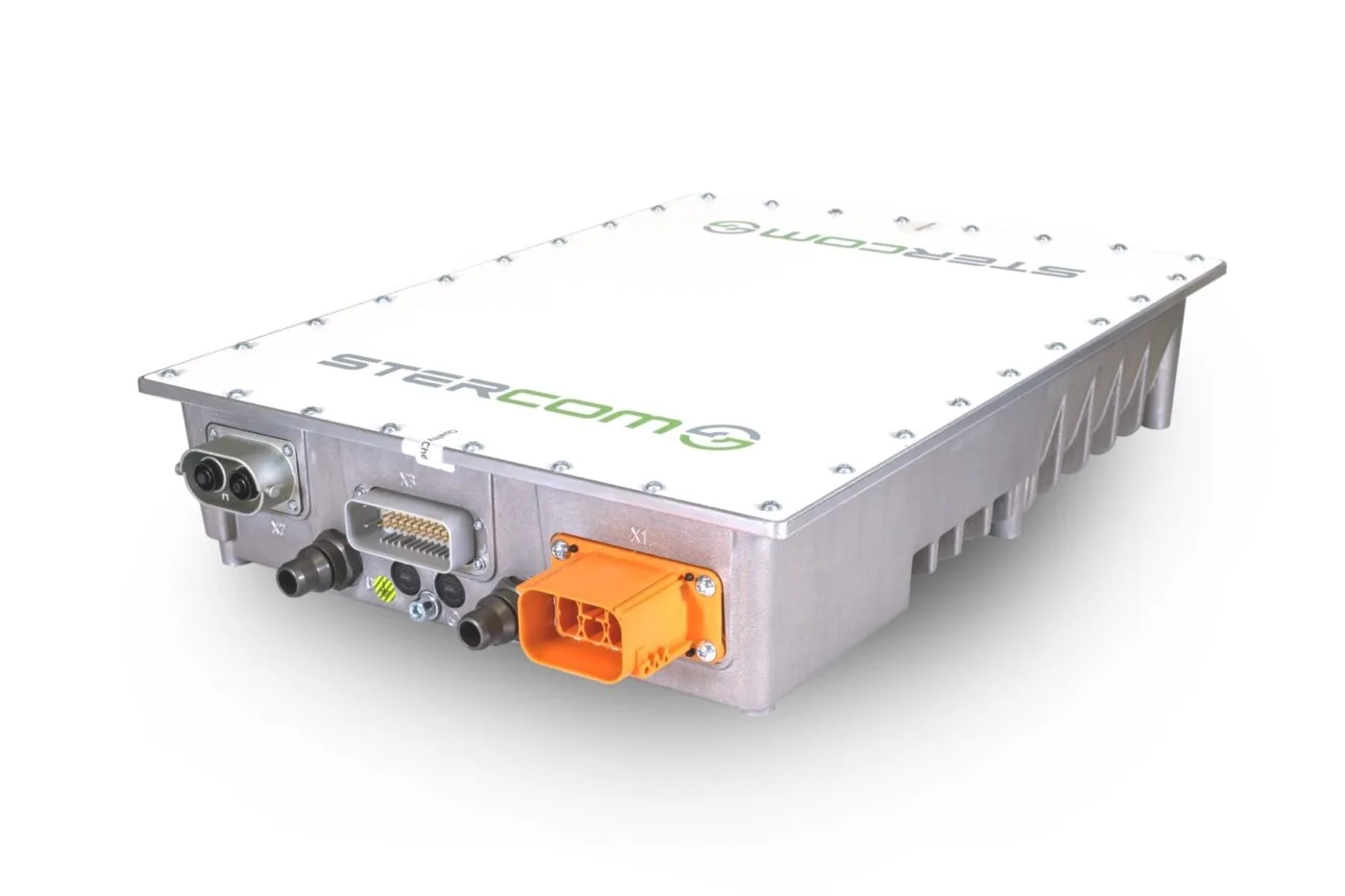
The recent acquisition of a majority stake in Stercom by Zapi Group offers a compelling case study for investors navigating the accelerating energy transition. Zapi, an Italian global leader in electrification, has strategically expanded its portfolio into advanced charging solutions and energy storage by integrating Stercom, a German innovator. This move underscores a broader trend: the electrification of industrial and commercial vehicles, along with the development of sophisticated power management systems, is moving from niche to mainstream. Stercom’s journey from an early focus on inductive charging – a concept that has yet to establish widespread market traction – to a prominent position in onboard chargers and bidirectional vehicle-to-everything (V2X) technology highlights the dynamic and often unpredictable evolution within the clean energy sector. For oil and gas investors, this signifies not merely a shift in transport fuels but a fundamental re-engineering of power infrastructure, with implications for long-term demand projections and capital allocation across the entire energy spectrum. Zapi’s stated goal to strengthen its ability to deliver next-generation charging solutions as demand for advanced electric drive technologies accelerates is a clear signal of where significant investment capital is now flowing.
Navigating Volatility: Crude Prices and the Energy Transition Headwinds
While the Zapi-Stercom deal points to future energy landscapes, the present market for traditional fuels continues to command investor attention, albeit with persistent volatility. As of today, Brent crude trades at $94.57 per barrel, reflecting a slight dip of 0.23% within a daily range of $91 to $95.79. WTI crude also saw a modest decline, settling at $90.43, down 0.93%, trading between $86.96 and $92.38. Gasoline prices, currently at $2.95 per gallon, echo this downward pressure, having fallen 0.67% today. This softer trading environment follows a notable $9 downturn for Brent over the past two weeks, dropping nearly 9% from $102.22 on March 25th to $93.22 on April 14th. This price action creates a complex backdrop for investors. On one hand, sustained high crude prices provide robust cash flows for traditional energy companies, enabling them to fund dividends, share buybacks, and even strategic investments into lower-carbon ventures. On the other hand, the consistent downward pressure and daily fluctuations, even if minor, reinforce the long-term narrative of a market grappling with energy transition headwinds. The ongoing strength of crude prices, despite significant investments in electrification, demonstrates the immense scale and inertia of the global energy system, reminding investors that the transition is a marathon, not a sprint.
Investor Focus: Decoding Market Signals Amidst Strategic Shifts
Our proprietary reader intent data reveals a consistent theme this week: investors are keenly focused on forecasting future crude prices. Specifically, there’s significant interest in building a base-case Brent price forecast for the next quarter and understanding the consensus 2026 Brent outlook. These questions highlight the critical need for clarity in a market buffeted by geopolitical events, supply dynamics, and the accelerating pace of the energy transition. The Zapi-Stercom acquisition, while not directly impacting short-term crude prices, serves as a powerful indicator for these long-term forecasts. Every strategic investment in electrification, particularly in high-growth segments like commercial vehicle charging and V2X, gradually chips away at future oil demand. Savvy investors are asking not just about the supply-demand balance for crude today, but how quickly the demand curve might flatten due to widespread adoption of electric alternatives. Furthermore, reader inquiries about the activity of Chinese “tea-pot” refineries this quarter and Asian LNG spot prices underscore the critical role of demand from rapidly developing economies. Robust demand from these regions could provide a floor for crude prices, even as Western markets push harder for electrification. This intricate interplay between traditional and emerging energy sectors requires a holistic investment thesis that accounts for both the immediate price signals and the underlying tectonic shifts in energy consumption patterns.
Forward View: Upcoming Events and Their Impact on Energy Investment Theses
Looking ahead, the next two weeks are packed with critical data points and gatherings that will undoubtedly shape short-term market dynamics and influence investor sentiment. The upcoming OPEC+ Joint Ministerial Monitoring Committee (JMMC) meeting on April 18th, followed by the full Ministerial meeting on April 20th, will be paramount. Any signals regarding production policy – whether maintaining current cuts, increasing supply, or even hinting at future adjustments – will have immediate repercussions for crude prices. Investors will be scrutinizing these meetings for clues on how major producers intend to manage global supply in the face of ongoing geopolitical tensions and fluctuating demand forecasts. Complementing these policy discussions are the regular Baker Hughes Rig Count reports, scheduled for April 17th and 24th. These reports offer a vital pulse check on North American upstream activity, indicating potential future supply trends from a key non-OPEC producer. Furthermore, the API and EIA weekly inventory reports, due on April 21st/22nd and April 28th/29th respectively, will provide granular data on crude, gasoline, and distillate stockpiles, offering real-time insights into market balance. For investors, these events are not isolated incidents but interconnected pieces of a larger puzzle. A decision by OPEC+ to maintain tight supply, coupled with a stagnant rig count and drawing inventories, could provide a strong bullish signal for crude, potentially allowing traditional energy companies to continue generating substantial returns. Conversely, a more dovish OPEC+ stance, an uptick in drilling activity, or a build in inventories could exert downward pressure, intensifying the focus on the long-term energy transition plays exemplified by Zapi’s strategic acquisition. Understanding these upcoming catalysts is crucial for refining investment theses and navigating the complex landscape of both conventional and renewable energy markets.
Capital Allocation in a Dual-Energy World: The Path Ahead
The Zapi Group’s acquisition of Stercom is more than just a corporate transaction; it’s a microcosm of the strategic capital reallocation occurring across the global energy sector. While traditional oil and gas continues to exhibit resilience and volatility, driven by immediate supply-demand fundamentals and geopolitical factors, the flow of investment into advanced electrification technologies is undeniable and accelerating. Stercom’s focus on onboard chargers for industrial vehicles and bidirectional V2X capabilities signals a future where vehicles are not just consumers but active participants in the grid, a significant shift from the conventional fuel paradigm. For oil and gas investors, this requires a dual perspective: astute management of existing portfolios exposed to fossil fuels, while simultaneously evaluating and integrating opportunities in the burgeoning electrification space. The questions our readers are asking about crude price forecasts and regional demand dynamics underscore the ongoing importance of traditional energy market analysis. However, the strategic moves by industrial giants like Zapi highlight the imperative to monitor and understand the technological advancements and investment trends that are shaping the energy system of tomorrow. The ability to bridge these two worlds – understanding the nuances of OPEC+ decisions and rig counts alongside the innovation in V2X technology and battery management systems – will be the hallmark of successful energy investing in the coming decade.