The energy landscape continues its dynamic evolution, with significant advancements in electric vehicle (EV) battery technology increasingly shaping the long-term outlook for traditional oil and gas markets. A recent strategic expansion between Volkswagen’s battery subsidiary PowerCo and solid-state battery developer QuantumScape underscores the accelerating pace of this transition, signaling a heightened commitment from major automakers to next-generation EV capabilities. For oil and gas investors, these developments are not merely technological footnotes but crucial indicators of future demand trajectories and market stability, demanding a careful recalibration of investment theses.
The Deepening Bet on Solid-State Batteries: A New Frontier for EVs
Volkswagen’s PowerCo is significantly bolstering its partnership with QuantumScape, committing up to an additional 131 million US dollars over the next two years. This fresh investment is contingent upon reaching specific milestones in the development of QuantumScape’s QSE-5 battery, a move designed to fast-track the commercialization of solid-state technology. This commitment follows an earlier agreement for mass production, where QuantumScape was set to receive payments up to 130 million US dollars. With Volkswagen already holding a 16 percent stake in QuantumScape, this expanded collaboration solidifies a long-term strategic alignment aimed at capturing a leading position in the rapidly evolving EV market.
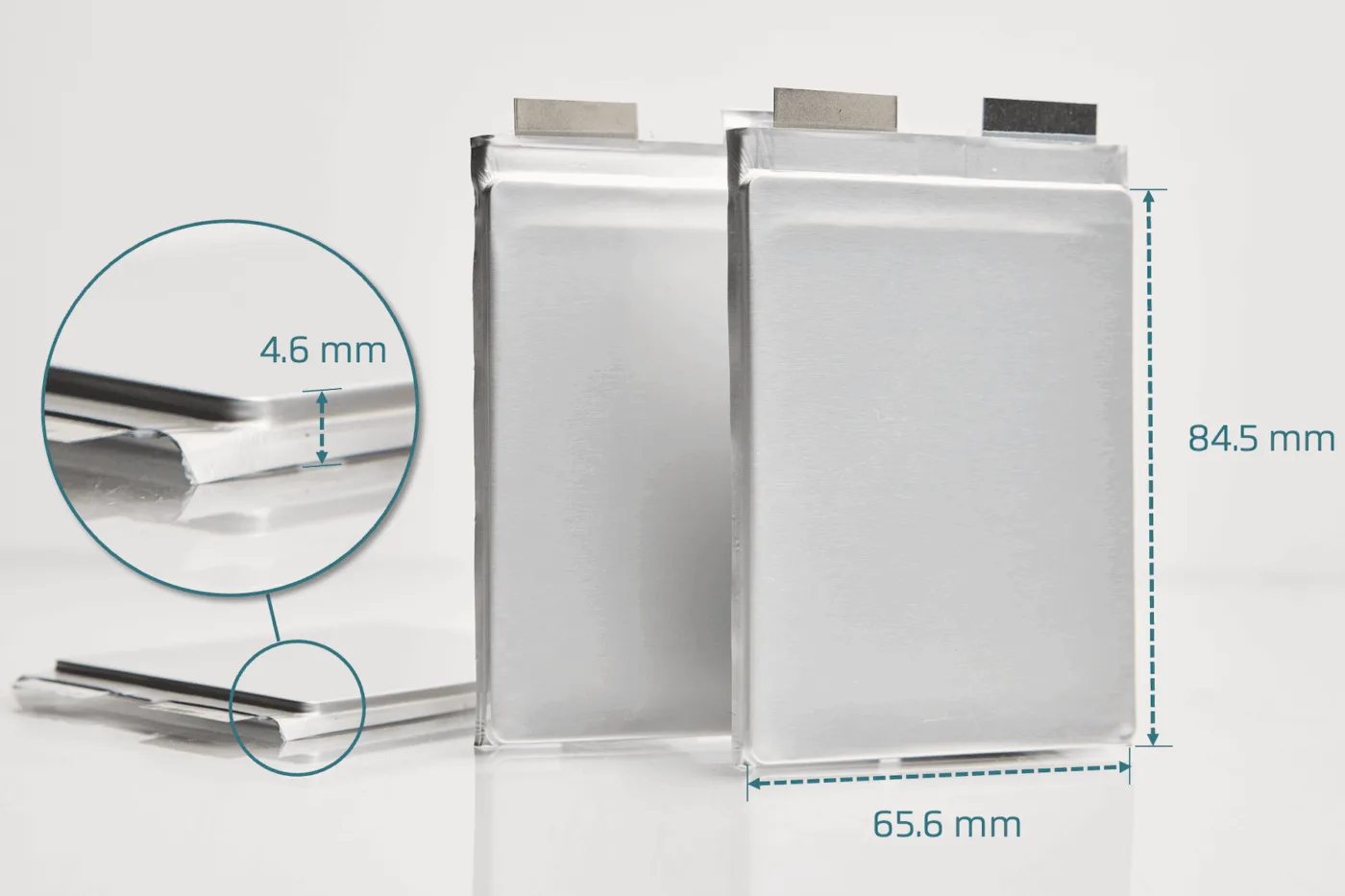
The QSE-5 battery itself presents compelling specifications: a 5 Ah capacity, an energy density exceeding 844 Wh/l, and a remarkably swift charging time of just 12.2 minutes to go from 10% to 80% state of charge. QuantumScape began producing B-samples of the QSE-5 in October 2024, signaling tangible progress. PowerCo’s earlier involvement in the production and automation scaling, including the ramp-up of QuantumScape’s pilot line in San José, California, is a critical step towards industrializing this technology. Furthermore, the new non-exclusive license grants PowerCo the right to produce an additional 5 gigawatt-hours per year of QSE-5-based cells, even for external customers, building on a previous agreement for up to 40 GWh annually with an option to double. These advancements are not just about better batteries; they are about making EVs more appealing and practical for a broader consumer base, which inherently impacts the future demand for petroleum-based fuels.
Crude Volatility and the Energy Transition Headwind
The accelerating shift towards electric mobility, exemplified by these substantial battery technology investments, adds another layer of complexity to an already volatile crude market. As of today, Brent Crude trades at $90.38, reflecting a significant daily decline of 9.07%, with the day’s range stretching from $86.08 to $98.97. Similarly, WTI Crude has fallen to $82.59, down 9.41% on the day. The gasoline market mirrors this bearish sentiment, priced at $2.93, a 5.18% drop. This recent downturn is not an isolated event; the 14-day trend for Brent crude shows a substantial decline of $20.91, or 18.5%, moving from $112.78 on March 30th to $91.87 just yesterday. While immediate geopolitical and macroeconomic factors often drive short-term swings, the underlying narrative of the energy transition, with its long-term implications for demand destruction, contributes to the persistent uncertainty and downward pressure felt across the hydrocarbon complex. Investors are increasingly weighing the tangible progress in EV technology against traditional supply-demand fundamentals, creating a dynamic where even robust current demand can be overshadowed by future demand erosion expectations.
Investor Questions: Gauging the Future of Oil Prices
The intensifying focus on EV advancements directly influences the concerns we see from our readership, particularly regarding the future trajectory of oil prices. Many investors are actively asking for predictions on where the price of oil per barrel will stand by the end of 2026. This question reflects a deep-seated anxiety about the long-term impact of energy transition on oil demand. As solid-state batteries like the QSE-5 promise faster charging and greater range, the adoption curve for EVs could steepen, potentially eroding gasoline demand sooner and more significantly than previously modeled. This uncertainty forces a re-evaluation of long-term price forecasts, moving beyond immediate supply shocks to consider structural shifts. The expansion of PowerCo’s licensing rights to supply cells to customers outside the Volkswagen Group further hints at a broader, faster deployment of this technology, which could amplify its market impact. Investors are looking for clarity on how quickly these technological leaps will translate into tangible reductions in global oil consumption, especially in the transportation sector.
Upcoming Events: Short-Term Catalysts in a Long-Term Transition
While the long-term energy transition narrative gains momentum, the oil market remains highly susceptible to immediate catalysts, with several key events on the horizon demanding investor attention. The upcoming OPEC+ Joint Ministerial Monitoring Committee (JMMC) meeting on April 18th, followed by the Full Ministerial meeting on April 19th, will be critical. Investors are closely monitoring these gatherings for any signals regarding production quotas, especially given the current price volatility and the ongoing debate surrounding global supply management. Our readers are keenly interested in understanding OPEC+’s current production quotas and how they might adjust their strategy in the face of evolving market conditions and the persistent threat of demand erosion from electrification. Any decision to alter production levels could provide a significant short-term impetus or drag on crude prices, offering immediate trading opportunities or risks.
Beyond OPEC+, regular data releases will offer crucial insights into market fundamentals. The API Weekly Crude Inventory report on April 21st, followed by the EIA Weekly Petroleum Status Report on April 22nd, will provide a snapshot of US crude and product inventories, influencing short-term supply-demand perceptions. These will be followed by further API and EIA reports on April 28th and 29th, respectively. Additionally, the Baker Hughes Rig Count on April 24th and May 1st will offer an indication of North American drilling activity and future supply potential. For investors navigating a market caught between transformative technological change and traditional supply-demand dynamics, these upcoming events serve as essential checkpoints for tactical positioning and risk management.