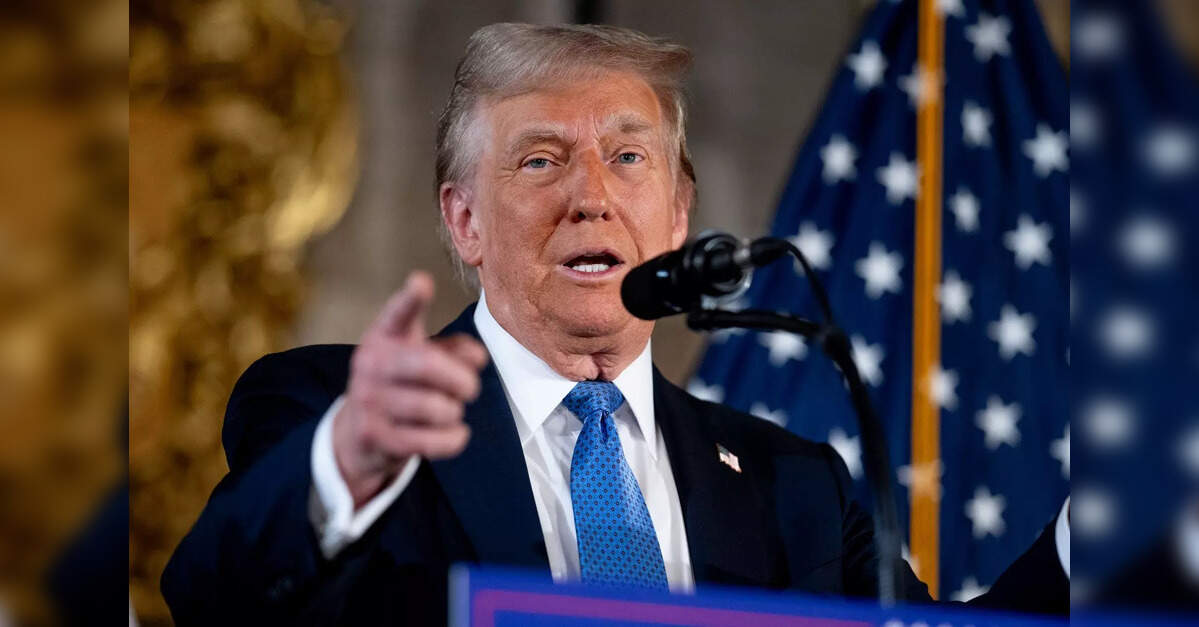
The global oil market remains a crucible of geopolitical tension and economic uncertainty, a reality underscored by the ongoing discourse around India’s significant purchases of Russian crude. The specter of potential US tariffs on these imports, a policy discussed by former President Trump, introduces a formidable layer of risk that active investors cannot ignore. While the immediate focus might be on the diplomatic implications of such a move, the reverberations across global oil flows, pricing dynamics, and energy security strategies could be profound. This analysis dives into the current market landscape, dissecting the impact of these geopolitical headwinds alongside crucial upcoming catalysts and prevailing investor sentiment, all through the lens of OilMarketCap.com’s proprietary data pipelines.
Geopolitical Headwinds Meet Volatile Markets
The oil market is currently navigating a period of heightened volatility, directly influenced by a complex interplay of supply concerns, demand projections, and persistent geopolitical risks. As of today, Brent Crude trades at $90.38, marking a significant daily decline of 9.07%. WTI Crude mirrors this bearish sentiment, standing at $82.59, down 9.41% within the same trading session. This sharp intraday correction follows a broader downward trend. Our proprietary 14-day Brent trend data reveals a precipitous drop of $20.91, an 18.5% decrease from $112.78 on March 30th to $91.87 just yesterday. This rapid price erosion is a clear signal of market apprehension, where even the hint of disruptions to established trade routes, such as those involving India’s Russian oil imports, can exacerbate selling pressure.
The potential for the United States to impose a 50% tariff on India for buying Russian oil, as previously discussed, adds an unpredictable element to this already fragile environment. Such a measure, while framed as a means to address geopolitical objectives, would inevitably force a significant rerouting of global crude flows. India, having consistently defended its energy procurement as being driven by national interest and market dynamics, would face increased costs or the need to seek alternative, potentially more expensive, suppliers. Conversely, Russian crude would be forced to find new buyers, likely at discounted rates, further complicating global supply-demand balances. This looming uncertainty contributes directly to the current market jitters, pressuring prices as traders factor in the potential for significant structural shifts in energy trade.
Navigating Upcoming Catalysts: OPEC+ and Inventory Insights
In the face of recent market volatility and the persistent geopolitical backdrop, the immediate attention of energy investors turns to a series of critical upcoming events. The most significant of these are the OPEC+ meetings scheduled for this weekend, April 18th and 19th. With Brent Crude having experienced such a sharp decline, our proprietary reader intent data shows a surge in questions regarding “What are OPEC+ current production quotas?” This highlights the market’s expectation that the Joint Ministerial Monitoring Committee (JMMC) on Saturday and the full Ministerial Meeting on Sunday will address current market conditions. A decision by OPEC+ to maintain, or even consider tightening, existing production quotas could provide a much-needed floor for prices, signaling the cartel’s commitment to market stability. Conversely, inaction or a failure to signal a cohesive strategy could be interpreted bearishly, potentially leading to further downside.
Beyond the immediate OPEC+ decisions, weekly inventory reports from the American Petroleum Institute (API) on April 21st and 28th, followed by the official EIA Weekly Petroleum Status Reports on April 22nd and 29th, will offer crucial insights into US supply and demand dynamics. These reports, detailing crude, gasoline, and distillate stocks, refinery utilization, and import/export levels, are vital for short-term price discovery. Our data also tracks the Baker Hughes Rig Count on April 24th and May 1st, providing a forward-looking indicator of drilling activity and potential future supply. Collectively, these events represent key inflection points that will either confirm the current bearish sentiment or provide catalysts for a market rebound, all while the broader geopolitical tensions surrounding India’s oil imports continue to simmer.
Decoding Investor Sentiment: Price Outlook and Portfolio Strategy
Our first-party intent data from the OilMarketCap.com platform reveals a dominant query among our readers this week: “What do you predict the price of oil per barrel will be by end of 2026?” This question encapsulates the profound uncertainty and strategic thinking currently dominating investor psychology. The market is not merely reacting to day-to-day fluctuations but is actively trying to model the long-term impact of multifaceted risks, including the potential for US tariffs on India’s Russian oil. Such tariffs, if implemented, would fundamentally alter established trade relationships and supply chains, potentially leading to higher global crude benchmarks due to increased logistical costs and a scramble for non-sanctioned barrels, or paradoxically, further downward pressure on Russian Urals as it seeks new markets.
For individual energy companies, the implications are equally complex. While some readers inquire about specific company performance, such as “How well do you think Repsol will end in April 2026?”, the broader takeaway for portfolio strategy is clear: resilience and geographical diversification will be paramount. Companies with significant exposure to regions directly impacted by potential tariff actions could face supply chain disruptions or altered demand dynamics. Conversely, firms with flexible refining capabilities or access to diverse crude sources might be better positioned to navigate the ensuing market shifts. Investors are therefore encouraged to scrutinize corporate hedging strategies, geopolitical risk exposure, and long-term supply agreements when evaluating their holdings in the current environment.
The India-Russia Trade: A Strategic Chessboard for Global Energy
India’s strategic decision to continue purchasing Russian crude oil, prioritizing national energy security and advantageous market dynamics, represents a significant pivot in global energy trade flows. This stance is a direct response to a global landscape where energy procurement has become a critical pillar of economic stability and geopolitical leverage. The hypothetical scenario of a 50% US tariff on these imports, as alluded to by former President Trump, is not merely an economic measure but a profound diplomatic challenge, acknowledged to “cause a rift with India.” Such a move would force a re-evaluation of alliances and trade partnerships on a global scale, fundamentally altering the calculus for both major energy producers and consumers.
From an investment perspective, the India-Russia oil trade is a powerful reminder of the intricate interplay between state interests, economic incentives, and international relations. Should tariffs materialize, the market would likely witness an increase in freight rates as longer voyages become necessary, and a potential recalibration of regional crude benchmarks. The global supply chain, already strained by recent disruptions, would face renewed pressure. For investors, this situation underscores the necessity of a holistic analysis that integrates geopolitical foresight with traditional market fundamentals. While today’s market snapshot shows Brent at $90.38, reflecting immediate pressures, the longer-term trajectory will be significantly shaped by the resolution, or escalation, of such high-stakes geopolitical maneuvers in the coming quarters and years.


