Indian OMCs Grapple with Geopolitical Volatility, Report Steep Q1 Losses
The first quarter of fiscal year 2026-27 delivered a sobering financial reality check for India’s state-owned oil marketing companies (OMCs). Hindustan Petroleum Corporation Limited (HPCL) and Bharat Petroleum Corporation Limited (BPCL) announced substantial losses for the April-June period, with the surging global crude oil prices, largely fueled by the escalating West Asia conflict, severely eroding their profitability. Investors in the energy sector are now closely scrutinizing the delicate balance these downstream giants must strike between market forces and domestic pricing policies, a situation ripe with implications for oil and gas investing.
The financial reports painted a stark picture of the challenges faced. HPCL recorded a consolidated net loss of an astounding ₹12,265 crore for the quarter, a dramatic reversal from the ₹4,111 crore profit it posted in the same period last year. A significant contributor to this downturn was a hefty ₹3,607 crore under-recovery specifically on Liquefied Petroleum Gas (LPG) sales. Similarly, BPCL reported a consolidated loss of ₹1,873 crore, swinging from a robust profit of ₹6,839 crore in the prior year’s corresponding quarter. BPCL also booked a substantial LPG under-recovery, amounting to ₹3,485 crore. Indian Oil Corporation (IOC), the largest of the three, is yet to unveil its Q1 financial performance, but market analysts anticipate similar pressures will be evident in its results.
Global Crude Surge Decimates Domestic Margins
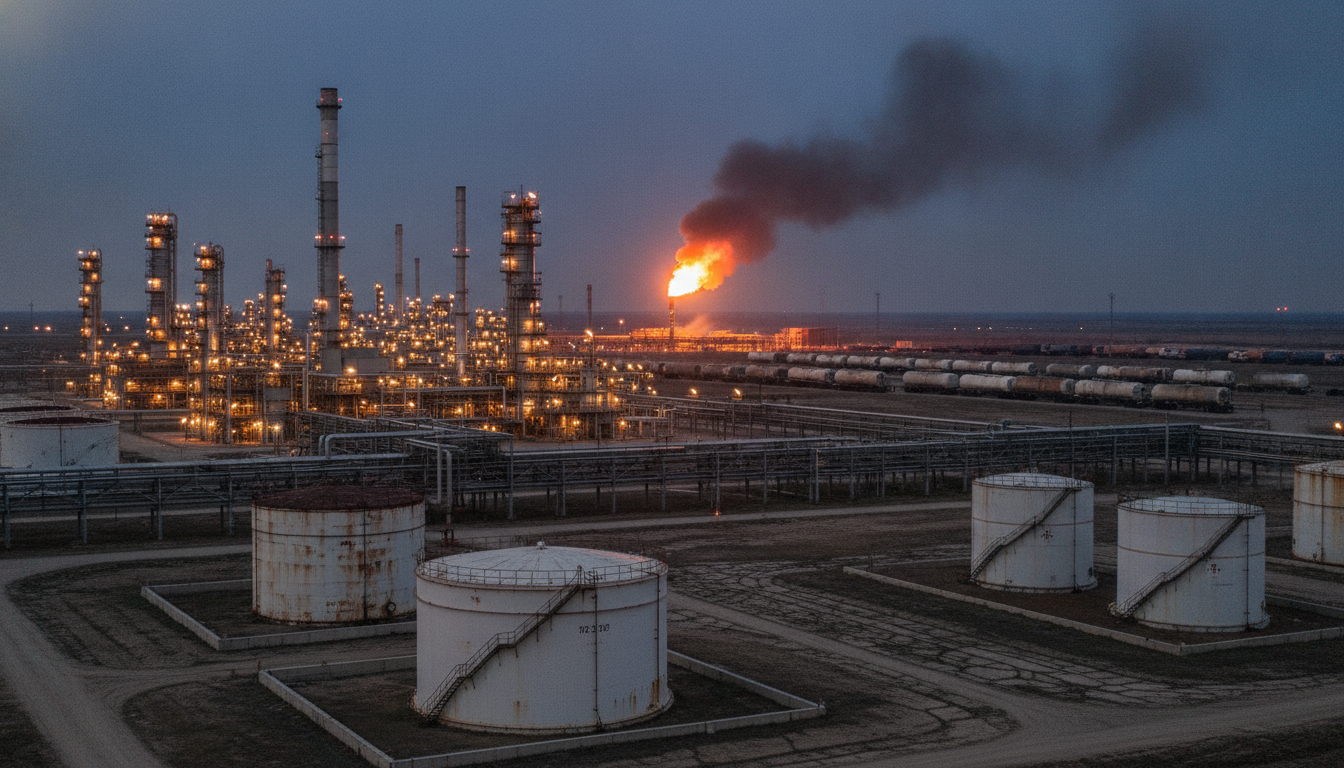
The primary catalyst for these unprecedented losses was the dramatic escalation in international crude oil prices. Geopolitical tensions, particularly related to the US-Iran conflict and broader instability in West Asia, propelled global crude benchmarks upwards by more than 70 percent at their peak. Despite this significant increase in input costs, HPCL and BPCL largely maintained stagnant retail prices for petrol and diesel in the domestic market for an extended period. This inability to pass on the full impact of elevated crude prices directly translated into massive under-recoveries, severely compressing refining margins and profitability within the downstream sector.
For investors focused on the energy sector analysis, understanding this dynamic is crucial. OMCs operate in an environment where domestic fuel pricing policy often takes precedence over pure market economics. While global oil markets dictated sharply higher procurement costs, consumer price stability remained a governmental priority. This created an untenable situation where the cost of raw material soared, but the selling price of finished products remained largely capped, directly impacting the bottom line of these vital entities.
Insufficient Price Adjustments Fall Short of Mitigating Impact
In the latter half of May, facing mounting pressure from the widening gap between input costs and retail prices, the OMCs implemented certain price adjustments. Petrol and diesel prices saw an increase of nearly ₹7.5 per liter, and the cost of a standard 14.2-kg domestic LPG cylinder was raised by ₹89. While these adjustments were a step towards mitigating the financial bleed, company statements and financial outcomes clearly indicate they were largely insufficient to offset the sharply higher acquisition costs of crude oil. The magnitude of the price hikes simply could not compensate for the rapid and substantial rise in international benchmarks and the prolonged period of price freeze.
This lag in price pass-through highlights the inherent risks in oil and gas investing within a regulated pricing environment. Even with an increase in revenue from operations—HPCL’s revenue climbed 21 percent to ₹1.5 lakh crore from ₹1.2 lakh crore a year earlier, and BPCL’s revenue increased to ₹1.6 lakh crore from ₹1.3 lakh crore—the net losses demonstrate that the cost of goods sold outpaced the revenue growth and suppressed gross margins. The higher revenues primarily reflect the increased value of crude purchased and sold, rather than an improvement in underlying profitability from marketing operations.
Investor Outlook: Navigating Geopolitical Risks and Policy Constraints
The Q1 FY2026-27 results serve as a powerful reminder of the vulnerability of Indian OMCs to geopolitical risk and global oil markets volatility. While HPCL noted that its refining and marketing operations “remained resilient” amidst the ongoing West Asia crisis, the financial numbers undeniably reflect the significant impact of the external environment. For investors, monitoring the stability of crude oil prices will be paramount in determining the future performance of these companies. Any sustained escalation in tensions or supply disruptions could quickly reignite under-recovery issues, challenging the profitability outlook for the remainder of the fiscal year.
Furthermore, the interplay between international crude trends and domestic fuel pricing policy will continue to be a key determinant of investment attractiveness in the sector. The Q1 performance underscores the delicate balancing act these companies must manage: ensuring fuel availability and affordability for the nation while striving to maintain financial health in a highly volatile global energy landscape. Successful oil and gas investing in this segment will require a keen eye on both global commodity markets and the domestic regulatory framework that governs retail fuel prices. As the industry moves forward, sustained geopolitical stability and a more dynamic pricing mechanism will be crucial for the improved financial performance of these Indian energy giants.