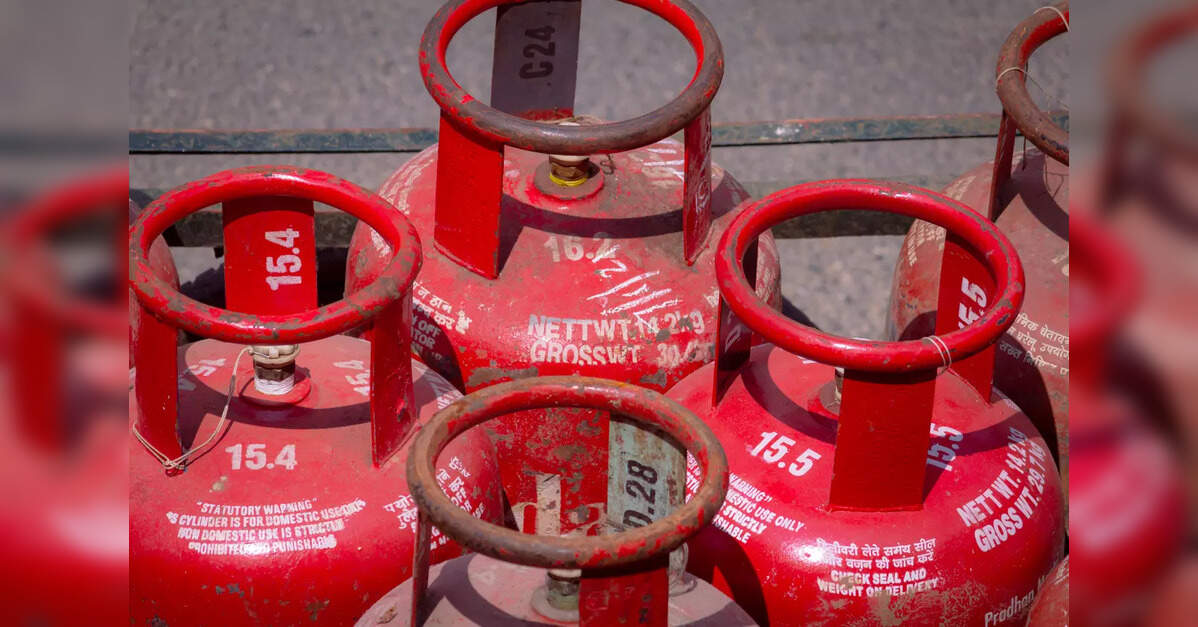
India’s burgeoning energy demand continues to be a pivotal factor in global oil and gas markets. The latest initiative from the Uttar Pradesh government, set to distribute fresh installments of free LPG cylinders to over 1.8 crore beneficiaries under the Ujjwala scheme, underscores a structural uplift in demand for cleaner cooking fuels. This move, strategically timed ahead of Diwali and backed by a significant budget provision of ₹1500 crore for the 2025-26 fiscal year, is not merely a welfare program; it represents a substantial, sustained driver for LPG consumption, impacting both domestic and international energy markets. For investors, understanding these foundational demand shifts, especially against a backdrop of volatile crude prices, is crucial for navigating the complexities of the energy sector.
India’s Demand Engine: The Ujjwala Scheme’s Latest Push
The Ujjwala Yojana, initially launched in May 2016, has consistently aimed to transition rural households from traditional polluting fuels to cleaner LPG. The Uttar Pradesh government’s commitment to this program remains robust, with Chief Minister Yogi Adityanath scheduled to roll out the latest tranche of free LPG cylinders this week. This is supported by an initial installment of over ₹346 crore released for the current 2025-26 fiscal year, part of a broader ₹1500 crore allocation in the state budget for the scheme. The sheer scale of this initiative in Uttar Pradesh alone, encompassing more than 1.8 crore LPG connections, translates into a significant, non-discretionary increase in LPG demand. This demand is further solidified by the government’s systematic approach, ensuring beneficiary identification through Aadhaar card data and close coordination with oil companies for efficient distribution. For energy investors, this represents a reliable, government-backed demand floor that contributes to India’s overall energy consumption trajectory, particularly for natural gas liquids.
Market Volatility and the Indian Demand Counterbalance
While long-term demand drivers like India’s Ujjwala scheme provide a structural tailwind, global energy markets are presently grappling with considerable short-term volatility. As of today, Brent Crude trades at $90.38 per barrel, reflecting a significant 9.07% drop within the day’s range of $86.08 to $98.97. Similarly, WTI Crude has seen a sharp decline, now at $82.59, down 9.41% from its daily high. This recent downturn follows a broader trend, with Brent having shed $22.4, or nearly 19.9%, from its $112.78 perch just two weeks ago on March 30, 2026. Gasoline prices have also dipped to $2.93, a 5.18% decrease. This market turbulence, driven by various factors from global economic outlooks to geopolitical developments, highlights the critical role of fundamental demand growth. Initiatives such as the free LPG distribution in India act as a crucial counterbalance, providing a sustained demand base that can help absorb oversupply or mitigate deeper price corrections, offering a degree of stability to the underlying crude and gas markets.
Investor Focus: Navigating Demand, Supply, and Strategic Policy
Our proprietary reader intent data reveals a key investor concern this week: what do we predict the price of oil per barrel will be by the end of 2026? This question directly intersects with the analysis of structural demand drivers like the Ujjwala scheme. While short-term market dynamics are influenced by inventory reports and geopolitical events, the long-term price outlook is heavily shaped by sustained consumption growth in major economies. India’s commitment to LPG penetration, as evidenced by the ₹1500 crore provision in the UP budget and the 1.8 crore connections, clearly signals a robust demand trajectory for petroleum products. This consistent demand underpins forecasts for crude oil and NGLs, offering a clearer picture for investors attempting to project end-of-year prices. Furthermore, with readers also asking about OPEC+ current production quotas, it’s evident that market participants are keenly watching how supply-side decisions will interact with these growing demand centers. The ongoing expansion of LPG access in India presents a compelling argument for continued, albeit managed, global energy production.
Forward View: Key Events Shaping the Energy Landscape
Looking ahead, the interplay between fundamental demand growth and strategic supply management will be under the microscope, particularly with several critical events on the horizon. The upcoming OPEC+ Joint Ministerial Monitoring Committee (JMMC) meeting on April 19th, followed by the full OPEC+ Ministerial Meeting on April 20th, will be pivotal in shaping global crude supply policy. Investors will be scrutinizing any signals regarding production quotas, which could significantly impact price stability. Against this backdrop of potential supply adjustments, the steady, increasing demand from India’s LPG scheme provides a consistent factor for consideration. Furthermore, market participants will closely monitor weekly data releases, including the API Weekly Crude Inventory (April 21st, April 28th) and the EIA Weekly Petroleum Status Report (April 22nd, April 29th), to gauge the immediate supply-demand balance in the crucial U.S. market. Rounding out the forward outlook, the Baker Hughes Rig Count reports on April 24th and May 1st will offer insights into future production trends. These events, combined with the foundational demand from initiatives like Ujjwala, highlight a complex but dynamic energy market where structural growth in emerging economies provides a vital demand anchor amidst global uncertainties and supply-side deliberations.


