Navigating the Geopolitical Crosscurrents: Why Crude’s Recent Pullback Matters
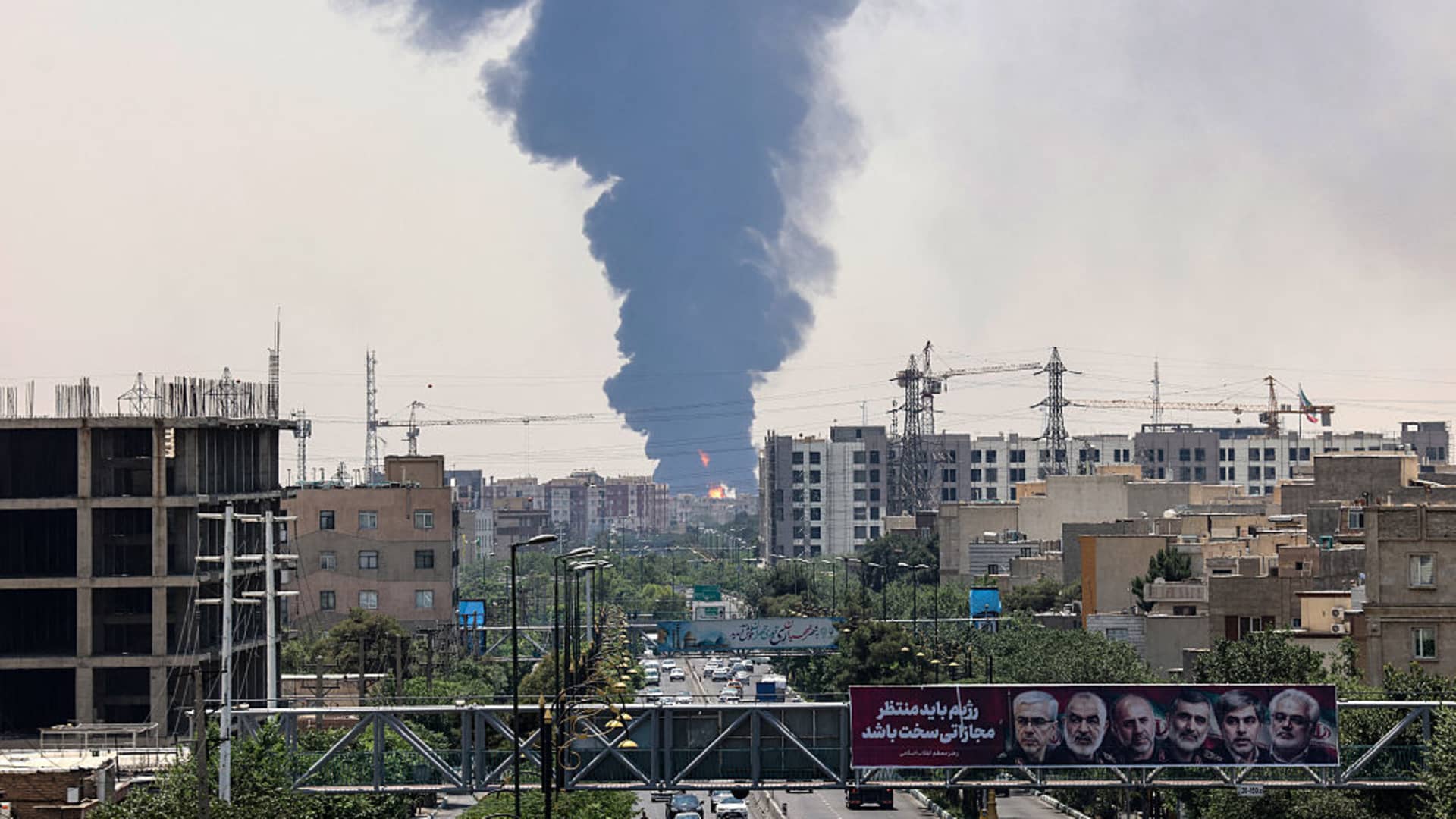
The global oil market remains a crucible of geopolitical tension, with recent headlines dominated by renewed friction between the U.S., Israel, and Iran. While initial reports indicated a surge in crude prices as the market priced in potential military action in the Middle East, our proprietary data reveals a more nuanced, and frankly, more volatile picture. Investors are grappling with the dual forces of supply disruption risk and underlying market dynamics that refuse to sustain extreme price hikes. Understanding this evolving landscape, particularly through the lens of current market movements, upcoming events, and specific investor concerns, is paramount for strategic positioning.
Geopolitical Sparks Meet Market Reality: A Look at Current Crude Prices
Recent escalations in the Middle East, including reports of potential U.S. involvement in an air campaign against Iranian nuclear facilities, initially fueled expectations of significant oil price appreciation. Indeed, the market saw an uptick following these developments. However, the immediate reaction has been tempered by a rapid recalibration. As of today, Brent crude trades at $90.38 per barrel, marking a substantial 9.07% decline within the day’s trading range of $86.08 to $98.97. Similarly, WTI crude has fallen by 9.41% to $82.59 per barrel, oscillating between $78.97 and $90.34. This significant intraday drawdown, following an initial geopolitical spike, underscores the market’s current sensitivity and its struggle to sustain higher valuations purely on headline risk. Looking at the broader trend, Brent crude has actually shed 18.5% over the past 14 days, falling from $112.78 on March 30th to $91.87 just yesterday, before today’s further declines. This suggests that while geopolitical events can trigger sharp, immediate reactions, underlying supply-demand fundamentals and investor skepticism about prolonged conflict often lead to swift profit-taking and a return to more fundamental-driven pricing.
Investor Focus: OPEC+ Quotas and End-of-Year Outlook Amidst Volatility
Our proprietary reader intent data offers a window into what oil and gas investors are actively seeking to understand in this environment. A recurring theme revolves around OPEC+’s current production quotas and how these might evolve, alongside keen interest in predicting the price of oil per barrel by the end of 2026. This indicates that while geopolitical events grab headlines, the strategic decisions of major producers remain a cornerstone of long-term price forecasting. Questions about specific companies, such as Repsol’s performance outlook for April 2026, further highlight investors’ efforts to identify resilient assets within a highly volatile sector. The interplay between geopolitical risk premiums, OPEC+ supply management, and global demand projections forms a complex matrix that requires a granular, data-driven approach. Investors are clearly trying to discern whether recent price movements signal a new, higher floor for crude, or merely transient spikes within a broader, potentially downward, trajectory.
The Calendar Ahead: Beyond Geopolitics, Fundamental Data Takes Center Stage
While geopolitical tensions demand constant monitoring, the immediate future holds a series of critical events that will heavily influence oil price formation, offering a counter-narrative to purely political drivers. The OPEC+ Joint Ministerial Monitoring Committee (JMMC) meeting is slated for tomorrow, April 18th, followed by the full Ministerial Meeting on April 19th. These meetings are crucial; they will reveal how the cartel intends to respond to recent market volatility and whether current production quotas will be maintained or adjusted. Any signals of a shift in strategy could significantly impact market sentiment and supply expectations, directly addressing investor concerns about quotas. Furthermore, the API Weekly Crude Inventory (April 21st, 28th) and EIA Weekly Petroleum Status Report (April 22nd, 29th) will provide vital insights into U.S. stock levels and demand trends. These reports, alongside the Baker Hughes Rig Count (April 24th, May 1st), offer fundamental data points that can either reinforce or contradict the prevailing geopolitical narrative, providing investors with tangible metrics for supply-demand balance.
Investment Strategy: Balancing Geopolitical Risk with Fundamental Resilience
For discerning oil and gas investors, the current market environment demands a sophisticated approach that balances the unpredictable nature of geopolitical events with a robust understanding of fundamental drivers. While the threat of supply disruptions from the Middle East remains a potent, if often fleeting, catalyst for price spikes, the market’s rapid correction seen today suggests a strong underlying resistance to sustaining extreme highs without concrete supply shortages. Investors should prioritize companies demonstrating strong balance sheets, operational efficiency, and diversified asset portfolios that can withstand price volatility. Hedging strategies become particularly attractive in such an environment, offering a degree of protection against sudden downturns. Furthermore, closely monitoring OPEC+ decisions and U.S. inventory data provides actionable insights into the physical market, allowing for more informed long-term positioning. While predicting the exact price of oil by year-end remains challenging, the current dynamics suggest a market prone to high volatility, where both upside and downside risks are significant, making strategic asset selection and risk management paramount.

