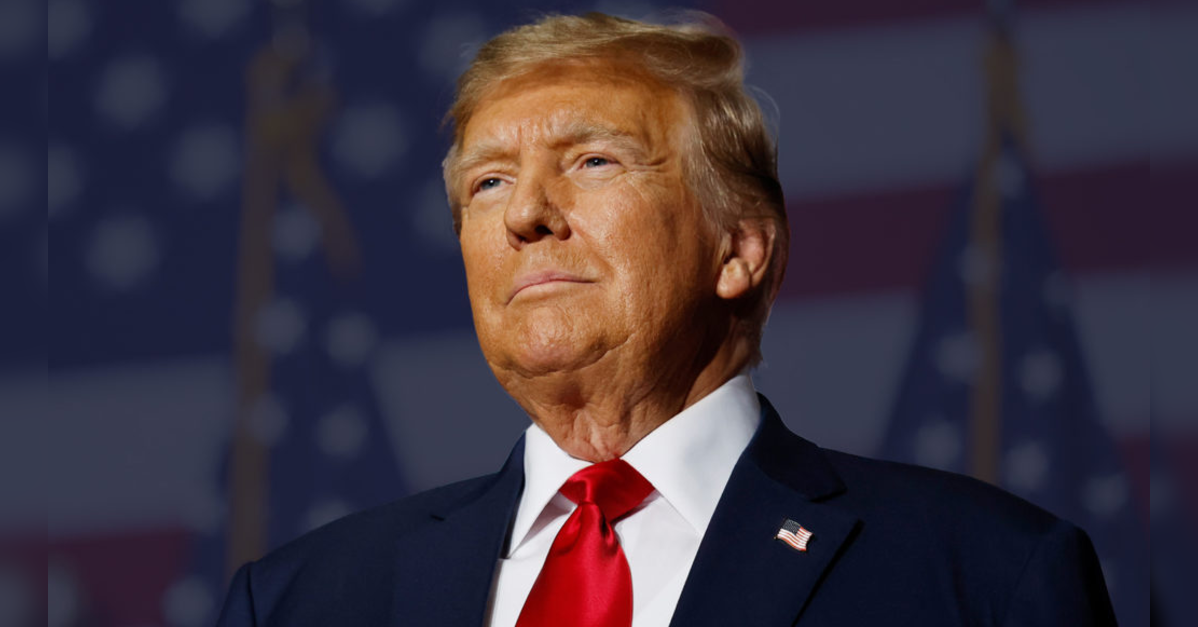
The global oil market is grappling with a fresh wave of geopolitical uncertainty, amplified by recent statements from former US President Donald Trump regarding India’s significant purchases of discounted Russian crude. This friction comes at a particularly volatile time for energy prices, with Brent crude currently trading at $90.38, reflecting a sharp 9.07% decline today and a substantial 19.9% drop over the past two weeks from $112.78. Such significant price swings underscore how quickly market sentiment can shift in response to perceived threats to supply or demand dynamics. Investors are closely monitoring how this diplomatic tightrope walk between Washington and New Delhi could reshape global crude flows and, crucially, impact the stability of a market already sensitive to supply disruptions and economic headwinds.
Geopolitical Crosscurrents and Immediate Market Impact
The core of the current market anxiety stems from the US stance on India’s continued reliance on Russian oil. India has emerged as the largest buyer of seaborne Russian crude, acquiring it at a substantial discount following Western sanctions imposed after Russia’s 2022 invasion of Ukraine. This strategic sourcing decision by India, driven by its national interest to “safeguard the interests of the Indian consumer,” has become a significant irritant in US-India trade relations. Recent assertions from Donald Trump, claiming Indian Prime Minister Narendra Modi assured him of a halt to Russian oil purchases, have added fuel to the fire, despite subsequent denials and clarifications from Indian officials. The market reaction has been swift: Brent crude is presently at $90.38 per barrel, while WTI crude stands at $82.59, both experiencing steep declines exceeding 9% in today’s trading. This pronounced bearish movement highlights how investor confidence is easily shaken by the prospect of major crude flow realignments, even if the actual shifts are yet to materialize or are disputed. Furthermore, the 14-day trend for Brent, which has fallen from $112.78 to its current level, clearly illustrates the pervasive uncertainty that has gripped the crude complex.
India’s Strategic Calculus Versus US Economic Pressure
India’s position is a delicate balance between securing affordable energy for its vast economy and navigating complex geopolitical alliances. The nation’s foreign ministry has consistently prioritized the interests of its consumers, making discounted Russian oil an attractive, if politically charged, proposition. This is evidenced by commodity data firm Kpler’s estimates, which project India’s imports of Russian oil to increase by approximately 20% this month, reaching 1.9 million barrels per day. This surge in imports directly contradicts claims of an immediate reduction and suggests that Indian refiners have already placed orders for November loading, with deliveries extending into December and January. The US, however, views petroleum revenues as funding Russia’s war in Ukraine and has threatened “massive tariffs” on Indian goods if purchases continue. While US-India trade talks are described as “congenial,” the stark divergence in public statements regarding the future of Russian oil imports introduces considerable ambiguity. For investors, this creates a critical demand-side risk: should India be forced to significantly alter its sourcing, it would necessitate a massive reallocation of crude, potentially impacting global prices, shipping routes, and refinery margins worldwide. The long-term stability of this trade relationship remains a key determinant for the world’s third-largest oil consumer.
Navigating Upcoming Events and Future Price Trajectories
The unfolding geopolitical drama between the US and India casts a long shadow over critical upcoming events that will further shape the oil market’s trajectory. Investors are keenly focused on the OPEC+ Joint Ministerial Monitoring Committee (JMMC) Meeting on April 19th, followed by the full OPEC+ Ministerial Meeting on April 20th. These gatherings are crucial, as member nations will assess global supply-demand fundamentals and potentially adjust production quotas. The uncertainty surrounding India’s future oil sourcing, a nation projected to significantly increase its Russian imports, directly impacts the demand outlook that OPEC+ considers. Any perceived softening in India’s demand, however unlikely based on current data, could influence the cartel’s decisions. Furthermore, the regular cadence of data releases, such as the API Weekly Crude Inventory on April 21st and 28th, and the EIA Weekly Petroleum Status Report on April 22nd and 29th, will provide immediate snapshots of US supply-demand balances. While these reports offer tactical insights, their impact could be magnified or dampened by the larger strategic questions surrounding major buyers like India. The Baker Hughes Rig Count on April 24th and May 1st will also offer insights into future production capacity. For investors asking about “OPEC+ current production quotas” and predicting “the price of oil per barrel by end of 2026,” these upcoming events, intertwined with geopolitical developments, will be pivotal in shaping the narrative.
Investor Outlook: Demanding Clarity Amidst Volatility
The current environment of geopolitical tension and market volatility poses significant challenges for energy investors. Our proprietary data indicates that readers are actively seeking clarity, with recurring questions like “What do you predict the price of oil per barrel will be by end of 2026?” and specific inquiries about individual company performance, such as “How well do you think Repsol will end in April 2026?” These questions underscore a broader desire for stability and predictability that is currently lacking. The ongoing dispute over India’s Russian oil purchases, coupled with the immediate market reaction of Brent and WTI crude trading down significantly today, highlights the premium on transparent and consistent policy. A sudden shift in India’s energy procurement strategy, either due to US pressure or a change in its own calculus, would necessitate a significant re-evaluation of global oil supply chains and demand forecasts. This uncertainty can translate into increased risk premiums for crude and greater volatility for energy equities. While the immediate focus is on the diplomatic discussions, the long-term investment horizon will be heavily influenced by whether a stable resolution is found that balances geopolitical objectives with the fundamental economic realities of major energy consumers. Without a clear path forward, the oil market will likely remain susceptible to sharp price movements as it attempts to price in an array of potential outcomes.


