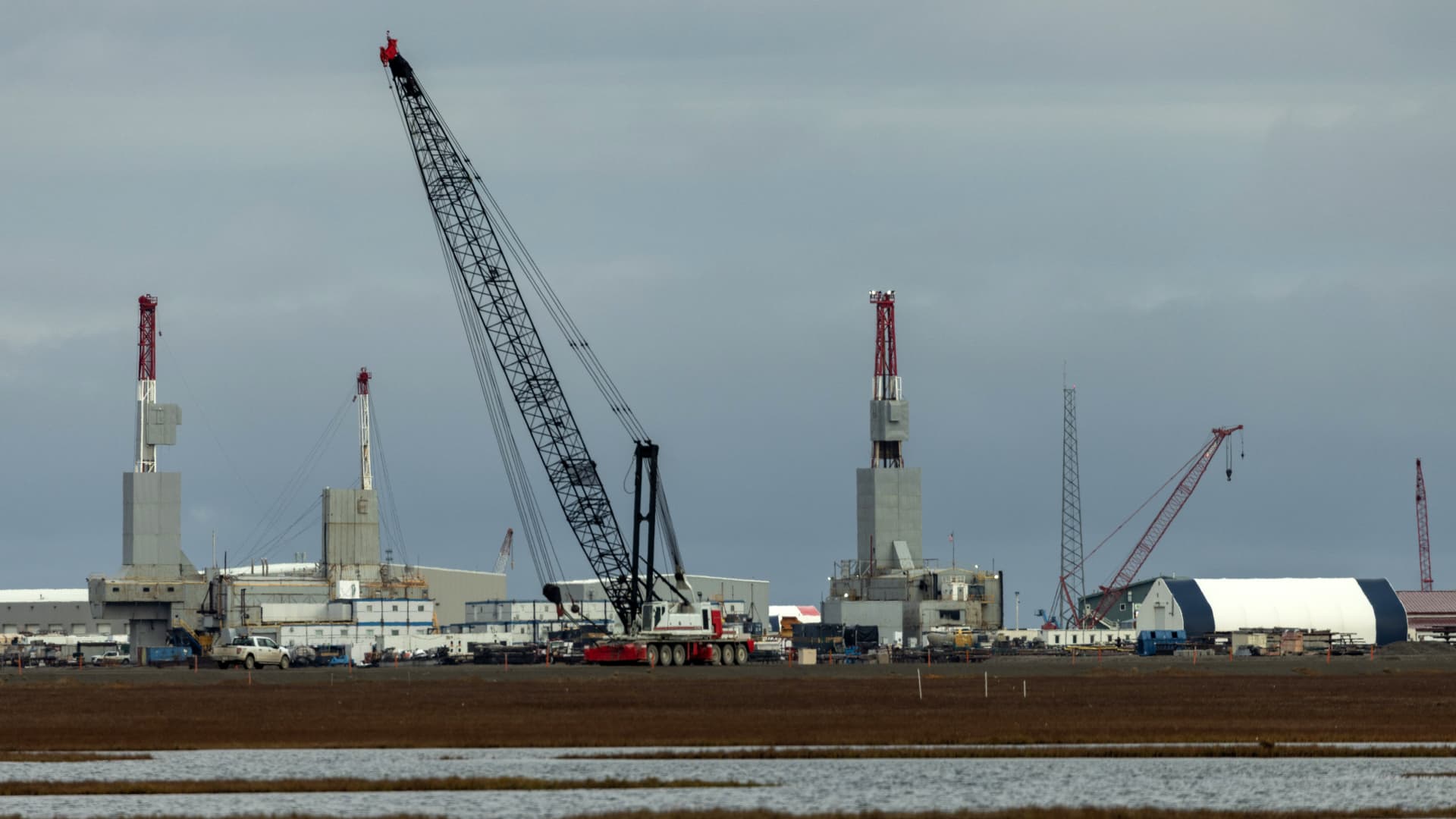
A Seismic Shift: Unpacking the Proposed Offshore Drilling Expansion
The landscape of American energy policy stands at a critical juncture, with a recently unveiled proposal poised to fundamentally reshape the nation’s offshore oil and gas production trajectory. This ambitious plan calls for 34 lease sales across U.S. waters through 2031, marking a dramatic departure from recent federal approaches. If implemented, this program would unlock vast new acreage in Alaska, the Pacific, and the Gulf of Mexico, including the first new lease in the Pacific since 1984. For investors, this isn’t just a political talking point; it’s a potential catalyst for long-term supply dynamics, capital allocation decisions for exploration and production (E&P) companies, and ultimately, future crude oil price stability. Our analysis delves into the scale of this proposal, its market implications in the context of current prices, the regulatory hurdles it faces, and what investors should be monitoring in the weeks and months ahead.
The Scale of Ambition: 34 Leases to Reshape Future Supply
The proposed program is undeniably expansive, outlining 34 distinct lease sales compared to the three sales permitted under the previous administration, which were exclusively confined to the Gulf of Mexico. The new framework envisages 21 lease sales off Alaska’s coast, six in the Pacific, and seven in the Gulf. Additionally, it highlights the potential for opening waters off Florida, areas largely untouched by new leasing in decades. This move signals a clear intent to reverse what its proponents describe as a “crippling” of America’s long-term offshore production pipeline. The sheer volume and geographic spread of these proposed sales underscore a strategic vision aimed at bolstering domestic energy independence and securing future supply streams. For E&P firms specializing in complex offshore operations, this represents a significant expansion of potential project inventory, though the lead times for such projects mean any production impact would be felt years down the line.
Market Context: Long-Term Supply Amidst Price Volatility
This bold proposal arrives at a fascinating moment in the energy markets. As of today, Brent Crude trades at $94.68 per barrel, down 0.84% within a daily range of $93.87 to $95.69. WTI Crude stands at $86.34, reflecting a 1.24% decrease. It’s crucial to note that Brent has seen a significant pullback, dropping nearly 20% from $118.35 just two weeks prior. While this recent price retreat might seem counterintuitive for a massive supply expansion push, it actually reinforces the long-term strategic nature of the proposal. Rather than a reactive measure to immediate price spikes, this plan aims to build a robust supply buffer against future market volatility and geopolitical risks. Many investors are keenly focused on the trajectory of crude prices, with questions like “What do you predict the price of oil per barrel will be by the end of 2026?” frequently surfacing. While short-term factors like OPEC+ decisions and inventory data dominate daily fluctuations, a long-term increase in accessible domestic acreage, if realized, could act as a structural cap on extreme upside price movements over the next decade by ensuring a more resilient and diverse supply base. This could translate into a more stable investment environment for long-cycle energy assets.
Navigating the Regulatory Labyrinth and Upcoming Market Signals
Despite its ambitious scope, investors must recognize that this offshore drilling program is a proposal, not a final decree, and faces substantial hurdles. The Department of Interior’s framework will undergo “further review,” a process likely to be protracted and contentious. Strong opposition has already emerged from over 100 Democratic lawmakers, who argue the expansion poses risks to coastal economies, public health, and marine ecosystems. Environmental groups have similarly condemned the plan as “egregious and reckless,” particularly highlighting the potential impact on previously untouched Alaskan waters and the revival of offshore drilling in California. This political and legal gauntlet introduces significant uncertainty into the timeline and ultimate scope of the program. Against this backdrop, investors should closely monitor several upcoming market events that will provide crucial short-term context. The OPEC+ Joint Ministerial Monitoring Committee (JMMC) Meeting, scheduled for April 21st, could signal shifts in global supply policy. Following this, the EIA Weekly Petroleum Status Reports on April 22nd and April 29th, alongside the Baker Hughes Rig Count on April 24th and May 1st, will offer real-time insights into U.S. production and inventory levels. Critically, the EIA’s Short-Term Energy Outlook on May 2nd will provide updated projections for demand and supply, which will further inform the perceived necessity and potential impact of such a massive offshore expansion plan. These short-term data points will help investors gauge the immediate market appetite for increased supply, while the long-term offshore strategy plays out.
Investment Implications and Risk Factors for Long-Term Plays
For astute oil and gas investors, this proposed expansion, if it withstands political and legal challenges, represents a significant opportunity, particularly for companies with established offshore expertise and strong balance sheets. Firms with a track record in deepwater exploration and production in the Gulf of Mexico, or those capable of operating in the challenging Arctic conditions off Alaska, could see their long-term growth prospects enhanced. The prospect of renewed activity in the Pacific, after decades, could also open new avenues, though the regulatory and environmental resistance there would be formidable. However, the capital intensity and long lead times associated with offshore projects mean that these are not short-term plays. Investors must factor in significant execution risk, the potential for policy reversals with future administrations, and the escalating influence of environmental, social, and governance (ESG) considerations on project financing and public perception. The legal challenges from environmental groups are a persistent threat, potentially delaying or even derailing specific lease sales. Ultimately, while the proposal offers a bullish long-term signal for domestic oil and gas supply, navigating its complexities will require careful due diligence and a high tolerance for regulatory and political uncertainty.

