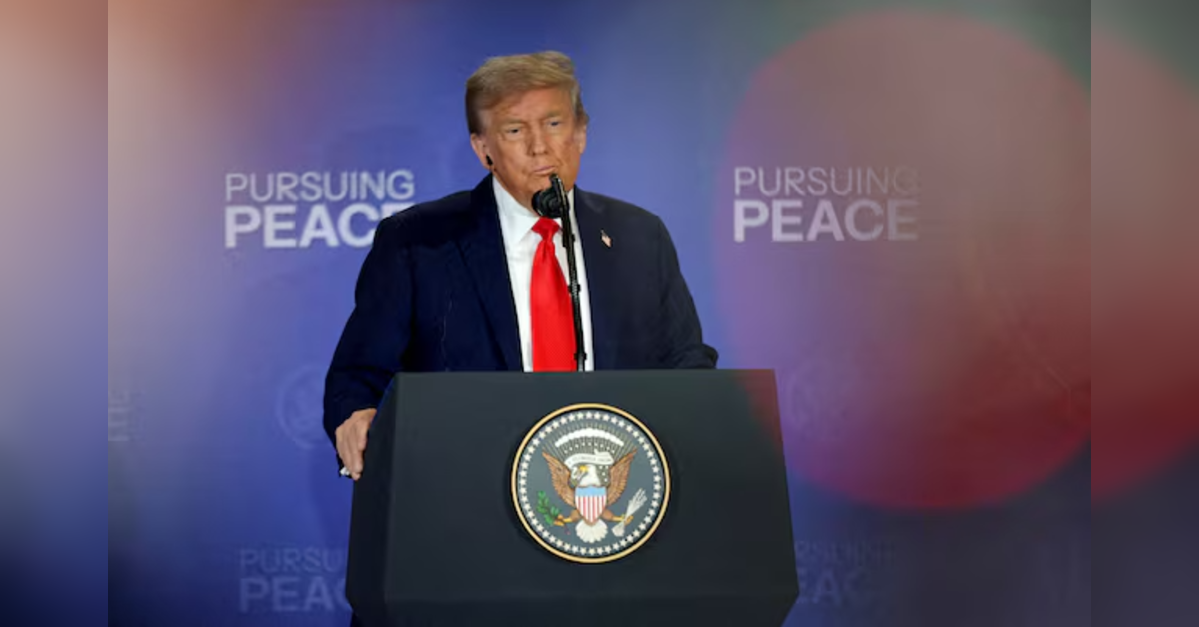
The global oil market continues to grapple with a complex interplay of geopolitical risk and shifting demand fundamentals, a dynamic underscored by events nearly a year ago. In August 2025, a critical decision by President Trump to postpone immediate retaliatory tariffs on China for its purchases of Russian oil sent a wave of relief through energy trading desks. This temporary reprieve, however, merely highlighted the underlying fragility of supply chains and the profound impact political rhetoric can have on crude prices. As we navigate mid-April 2026, the market is still processing the aftermath of that decision and anticipating future catalysts.
Geopolitical Volatility and China’s Pivotal Role
The threat of secondary sanctions targeting major economies for their energy trade with Russia has been a persistent theme shaping investor sentiment. Last year, the administration’s move to impose a 25% tariff on Indian goods, explicitly citing its continued imports of Russian crude, set a precedent. The market then braced for similar, potentially more impactful, action against China, a significantly larger oil consumer and the top buyer of Russian volumes. President Trump’s announcement last August, following a summit, that he did not “immediately need to consider” such measures against Beijing, but might “in two or three weeks,” provided a crucial, albeit temporary, de-escalation. This delay was particularly significant given China’s slowing economic growth at the time, which would undoubtedly suffer under additional punitive tariffs, potentially dampening global oil demand forecasts. The ongoing efforts between Beijing and Washington to forge a broader trade deal further complicated the calculus, with China standing as a potential primary target for any escalated measures outside of Russia itself.
The Market’s Current Pulse: A Volatile Rebound
The market’s reaction to geopolitical developments remains swift and often dramatic. Over the past fortnight, we witnessed Brent crude prices retreat by a notable 12.4%, dropping from $108.01 per barrel on March 26 to $94.58 just yesterday, April 15. This significant correction reflected a broader re-evaluation of demand prospects and perhaps a cooling of some risk premiums. However, as of today, April 16, the market is demonstrating its inherent volatility and resilience. Brent crude has staged a robust rebound, trading at $98.2 per barrel, marking a substantial 3.44% increase within the day’s range of $94.42 to $99.84. Similarly, WTI crude has climbed 2.28% to $90.14, moving within its daily range of $87.32 to $91.82. Gasoline prices have also seen a lift, up 2.33% to $3.08. This upward swing today suggests that while underlying concerns about global demand persist, fresh geopolitical signals or renewed optimism about supply discipline can quickly re-inject bullish momentum, highlighting the market’s sensitivity to even subtle shifts in rhetoric or perceived risk.
Investor Focus: Decoding China’s Demand and Future Price Paths
Our proprietary investor intent data clearly indicates where the market’s focus lies: investors are keenly assessing the trajectory of global oil demand, with a particular emphasis on China. Recurring inquiries center on building a base-case Brent price forecast for the next quarter and, more specifically, understanding the operational status of Chinese ‘tea-pot’ refineries this quarter. These refiners are crucial barometers of independent demand within China and their activity levels offer critical insight into the country’s actual crude consumption beyond state-owned enterprises. The absence of the threatened secondary sanctions from last August likely provided a floor for Chinese demand that might otherwise have eroded significantly. However, concerns about China’s economic health, even without direct sanctions, continue to weigh on long-term demand projections. Investors are seeking clarity on whether the current rebound is sustainable, or if underlying demand weakness, particularly from key Asian economies, will cap further significant upside. Understanding the nuances of China’s refining sector and overall economic activity is paramount for any accurate 2026 Brent forecast.
Upcoming Catalysts: OPEC+ and Inventory Dynamics
The next two weeks are packed with critical events that will undoubtedly influence crude price direction and investor sentiment. Starting tomorrow, April 17, the latest Baker Hughes Rig Count will offer insights into North American drilling activity, a key indicator of future supply from the region. The immediate spotlight, however, falls on OPEC+ with the Joint Ministerial Monitoring Committee (JMMC) meeting scheduled for April 18, followed by the full Ministerial Meeting on April 20. These gatherings are pivotal, as the alliance will review market conditions and determine their production policy moving forward. Given the recent price volatility and today’s rebound, their stance on existing output cuts will be closely scrutinized. Further shaping market expectations will be the API Weekly Crude Inventory report on April 21 and the EIA Weekly Petroleum Status Report on April 22, providing crucial snapshots of U.S. supply and demand balances. These weekly reports, along with another Baker Hughes Rig Count on April 24, and subsequent API/EIA releases on April 28/29, offer consistent, actionable data points for investors navigating the near-term landscape. The confluence of these events will provide significant clarity on both the supply side’s strategic intentions and immediate demand-side fundamentals.
Strategic Implications for Oil & Gas Investors
The saga surrounding potential China sanctions in August 2025, and the market’s subsequent reaction, serves as a powerful reminder of the deep interconnectedness between geopolitics and energy markets. For oil and gas investors, this underscores the necessity of a holistic analysis that extends beyond traditional supply-demand fundamentals. While today’s market rebound is encouraging, the underlying volatility, evidenced by the preceding 12% price drop, suggests continued caution. The “two-to-three-week” window mentioned by President Trump last year highlights how swiftly political considerations can shift the risk premium. Investors must remain agile, closely monitoring not just upcoming OPEC+ decisions and inventory data, but also the broader geopolitical landscape and the evolving economic health of major crude importers like China. Navigating this environment successfully demands a keen eye on both tangible market data and the subtle, yet powerful, signals emanating from global political discourse, ensuring portfolios are positioned to withstand rapid shifts in market dynamics.


