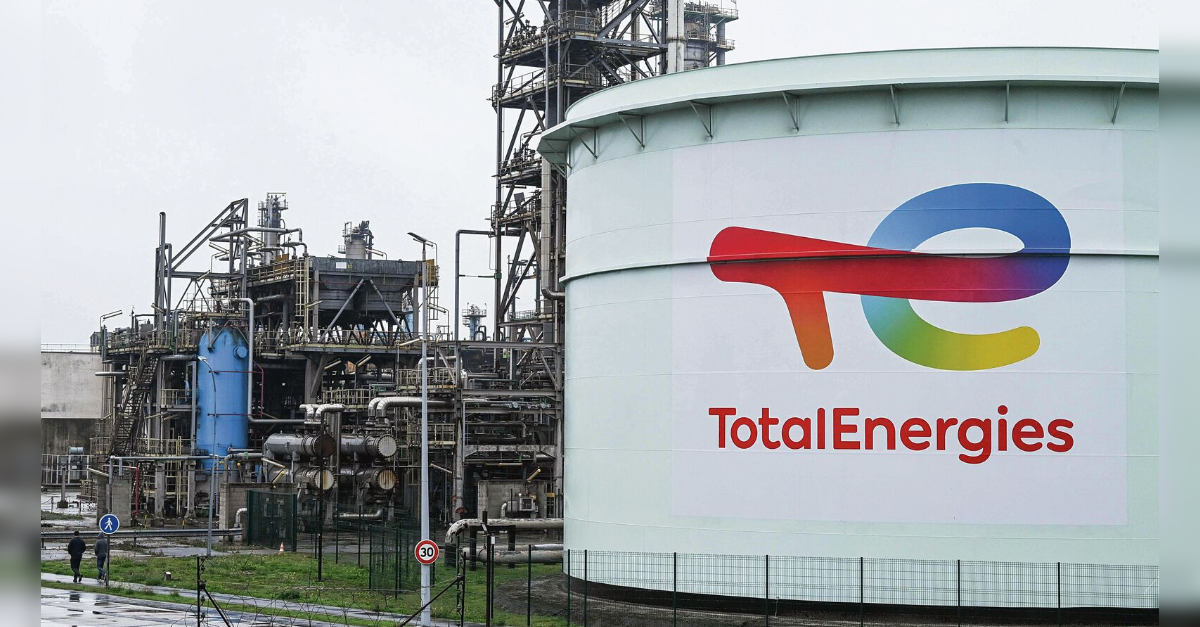
The energy sector is currently navigating a complex confluence of market volatility, geopolitical uncertainties, and intensifying environmental scrutiny. A pivotal moment approaches this week as a Paris court prepares to deliver a verdict on whether TotalEnergies, one of Europe’s largest energy companies, engaged in misleading advertising regarding its climate commitments. This ruling, set to establish a significant legal precedent in France and potentially across Europe, underscores the escalating legal and reputational risks associated with ‘greenwashing’ for oil and gas supermajors. For investors, understanding the implications of this case is paramount, as it signals a new era of accountability for corporate environmental claims and demands a re-evaluation of how ESG risks are priced into energy stocks.
The Evolving Landscape of Greenwashing Litigation
At the heart of the TotalEnergies lawsuit are allegations of “misleading commercial practices” brought by several environmental groups. The plaintiffs contend that the company’s advertisements, which promoted a “net zero by 2050” goal and touted natural gas as “the fossil fuel with the lowest greenhouse gas emissions,” created a deceptive image of its environmental impact. This, they argue, stood in stark contrast to TotalEnergies’ continued expansion of its core fossil fuel production activities. Specifically, the lawsuit targeted around 40 instances of what were described as false advertisements, some of which reportedly remain in use.
TotalEnergies, for its part, has maintained that its communications are institutional, regulated by financial authorities rather than consumer law, and primarily target stakeholders like investors and clients, not the average consumer. The company argues that criticisms of its strategy are being unfairly framed through consumer protection laws, emphasizing the complexity of transitioning away from fossil fuels. However, the legal challenge highlights a growing trend where vague environmental claims, once common in corporate advertising, are now facing rigorous judicial and regulatory examination. This case is a bellwether, potentially shaping future legal interpretations of greenwashing and corporate responsibility across the European Union and beyond.
Market Dynamics and the ESG Imperative
Amidst the legal battles, the broader energy market continues its characteristic volatility, adding another layer of complexity for investors. As of today, Brent crude trades at $90.38, reflecting a significant 9.07% decline within the day, with its range fluctuating between $86.08 and $98.97. Similarly, WTI crude is at $82.59, down 9.41% from its open, trading between $78.97 and $90.34. This recent downturn is part of a broader trend, with Brent having dropped from $112.78 on March 30 to its current level on April 17, representing a nearly 20% contraction over a fortnight. Such sharp movements underscore the inherent unpredictability of commodity markets, driven by a myriad of geopolitical tensions, supply-demand balances, and macroeconomic indicators.
Against this backdrop of fluctuating prices, the TotalEnergies case brings into sharp focus the increasing scrutiny on environmental, social, and governance (ESG) claims within the energy sector. For investors, this lawsuit represents a tangible financial risk. A negative verdict could lead to significant fines, mandatory disclaimers on future advertisements, and, perhaps most damagingly, a severe blow to corporate reputation. In an environment where capital increasingly flows towards companies perceived as sustainable, such legal challenges can erode investor confidence and impact valuations, even when core commodity prices are otherwise favorable.
Forward-Looking Analysis: Navigating Upcoming Catalysts
The next two weeks present several critical junctures for the global oil market, events that will inevitably shape the investment landscape for energy majors grappling with both market volatility and legal challenges. Starting this weekend, the OPEC+ Joint Ministerial Monitoring Committee (JMMC) meeting on April 19, followed by the full Ministerial Meeting on April 20, will be closely watched for any signals on production quotas. Any deviation from current policies could significantly impact supply expectations and, consequently, crude prices.
Further insights into market fundamentals will come from weekly API and EIA crude inventory reports, scheduled for April 21, 22, 28, and 29. These reports provide crucial data on U.S. demand trends and storage levels, directly influencing short-term price movements and market sentiment. Additionally, the Baker Hughes Rig Count, set for April 24 and May 1, will offer a pulse on future production capabilities in North America. For companies like TotalEnergies, managing their core fossil fuel business amidst these market signals while simultaneously navigating ESG-related legal battles becomes an increasingly complex balancing act, demanding transparent communication and robust risk management strategies.
Addressing Investor Concerns: The Future of Energy Investment
Our proprietary reader intent data reveals a strong focus among investors on the future trajectory of oil prices and the performance of energy companies. Many are actively asking “what do you predict the price of oil per barrel will be by end of 2026?” and seeking insights into the resilience of European majors and the robustness of the data underpinning market forecasts. These questions reflect a broader uncertainty about the long-term viability and profitability of traditional energy investments in a rapidly changing global landscape.
The TotalEnergies greenwashing verdict serves as a stark reminder that investment decisions in the energy sector must now factor in not just geopolitical risks and supply-demand fundamentals, but also the escalating legal and reputational risks associated with environmental claims. Investors are increasingly scrutinizing corporate ESG reports and advertising for potential liabilities. A judgment against TotalEnergies would signal a hardening regulatory stance and could trigger a wave of similar lawsuits against other energy companies, pressuring them to adopt more transparent and verifiable climate strategies. This necessitates a deeper dive into a company’s actual capital allocation, its energy transition plans, and the veracity of its public statements, moving beyond surface-level ESG scores to understand the true legal and financial exposure.


