Tesla’s $4.3 Billion Battery Order Signals Major Shift in Energy Investment
Tesla’s recent commitment to a multi-billion dollar LFP battery supply agreement with LG Energy Solution represents a significant inflection point, not just for the electric vehicle (EV) giant, but for the entire energy investment landscape. While the headline focuses on battery technology, the underlying strategic implications – particularly the drive for supply chain diversification and the emphasis on stationary energy storage – carry profound weight for traditional oil and gas investors. This is a clear signal that the energy transition is accelerating its reach into grid infrastructure, creating both challenges and new opportunities that warrant close attention from those invested in conventional hydrocarbons.
Diversifying the Energy Supply Chain: A De-Risking Strategy
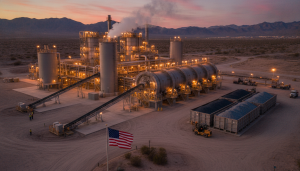
The reported $4.3 billion contract with LG Energy Solution for US-produced lithium iron phosphate (LFP) battery cells is a strategic maneuver by Tesla to bolster its stationary energy storage business. This substantial deal, spanning 2027 to 2030, highlights a concerted effort to reduce reliance on Chinese imports, a move driven by escalating tariffs and the associated planning uncertainties. Tesla’s CFO previously underscored how US tariffs disproportionately impacted the company’s energy sector due to its LFP cell sourcing. By securing US-made cells, Tesla is not merely expanding capacity; it is de-risking its supply chain, enhancing geopolitical stability for its critical energy products. This strategic pivot aligns with Tesla’s broader initiatives, including bringing its US-based lithium refinery online later this year and commencing domestic LFP cell production in 2025. For oil and gas investors, this trend towards localized, diversified supply chains in the new energy economy suggests a blueprint for resilience that traditional energy sectors might also increasingly consider.
Crude Volatility and the Energy Transition’s Undercurrents
While the battery sector signals robust long-term growth, the traditional crude market continues to navigate significant volatility. As of today, Brent crude trades at $90.38, a sharp 9.07% decline within the day, having ranged from $86.08 to $98.97. WTI crude mirrors this sentiment, currently at $82.59, down 9.41%. This steep daily drop follows a broader downward trend, with Brent having fallen from $112.78 on March 30 to $91.87 just yesterday, representing an 18.5% erosion in value over two weeks. This marked instability in crude prices stands in stark contrast to the strong investment signals emanating from the new energy sector, exemplified by Tesla’s battery order. While gasoline prices have also seen a downturn, currently at $2.93, a 5.18% decrease, the long-term trajectory of global energy demand is clearly being influenced by the accelerating adoption of electric vehicles and, critically, stationary storage solutions. Oil and gas investors must reconcile these short-term price fluctuations with the persistent, long-term shift in energy infrastructure, where battery technology is increasingly a cornerstone.
Investor Sentiment: Navigating Future Oil Prices and Energy Shifts
Our proprietary reader intent data reveals a keen investor focus on the future trajectory of crude prices and the resilience of traditional energy companies. A frequently asked question among our readership is, “What do you predict the price of oil per barrel will be by the end of 2026?” This query underscores the market’s attempt to quantify the impact of both geopolitical events and the accelerating energy transition. The Tesla-LGES deal, while not directly impacting short-term crude supply, provides crucial data for this long-term forecast. Strong growth in stationary storage, enabled by cost-effective LFP cells, directly impacts the grid’s capacity to integrate renewables and reduce reliance on fossil fuel-derived electricity. Furthermore, investor interest in OPEC+ production quotas highlights the short-to-medium term levers influencing supply. As the demand profile for energy shifts, traditional oil and gas companies face increasing pressure to adapt, diversify, or refine their core strategies to remain competitive in a world moving toward lower-carbon solutions. Repsol, for example, is a company whose performance is under close scrutiny as investors gauge the success of such transitions.
Upcoming Catalysts: Traditional Market Dynamics Amidst Transition
While the long-term energy transition narrative gains momentum, short-term market dynamics for oil and gas remain heavily influenced by a series of upcoming events. Investors should closely monitor the OPEC+ Joint Ministerial Monitoring Committee (JMMC) meeting tomorrow, April 18, followed by the full Ministerial Meeting on April 19. These gatherings are crucial for understanding potential adjustments to production quotas, especially in light of the recent sharp crude price declines. Any signals of further cuts or a decision to maintain current levels will significantly impact market sentiment. Furthermore, the API Weekly Crude Inventory report on April 21 and the EIA Weekly Petroleum Status Report on April 22 will provide critical insights into immediate supply and demand balances. Unexpected builds or draws could prompt further price volatility. These will be followed by another round of API and EIA reports on April 28 and April 29, respectively. Lastly, the Baker Hughes Rig Count on April 24 and May 1 will offer a forward-looking perspective on US drilling activity and potential future production. These traditional market catalysts continue to demand attention, even as the broader energy landscape undergoes profound structural changes driven by innovations like Tesla’s battery strategy.
Beyond EVs: The Grid-Scale Opportunity for Energy Storage
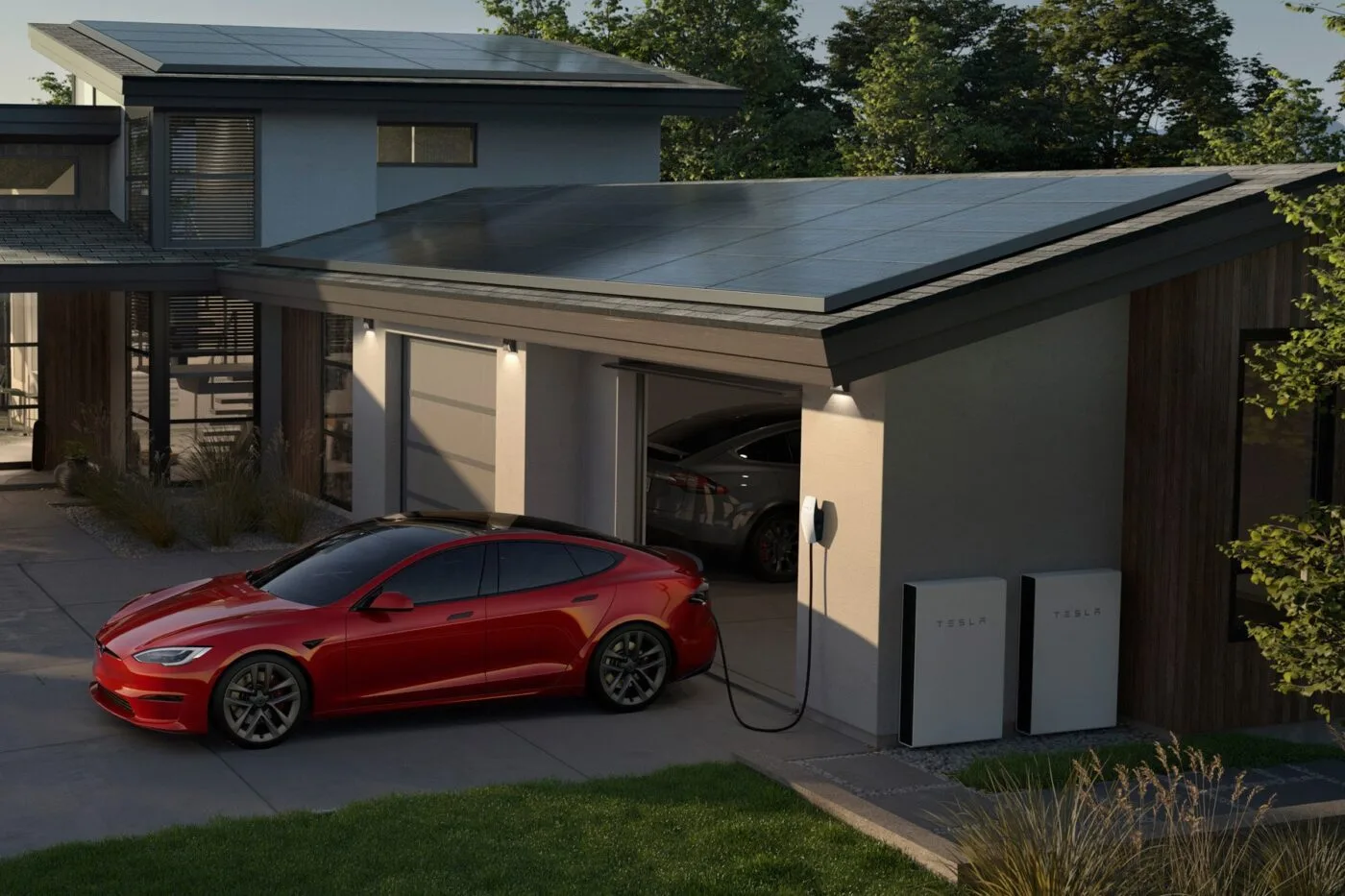
The core insight from Tesla’s substantial LFP battery order is its primary allocation to stationary energy storage systems, not solely electric vehicles. This distinction is paramount for oil and gas investors. Stationary storage is fundamentally about grid modernization, enhancing stability, and enabling greater integration of intermittent renewable energy sources like solar and wind. LFP cells, with their lower cost and higher robustness compared to NMC chemistry, are ideally suited for these applications where energy density is less critical than longevity and economic viability. This emerging market for grid-scale batteries represents a vast opportunity that will reshape energy infrastructure globally. Companies involved in energy management systems, grid technology, and the entire battery value chain – from raw material extraction to recycling – stand to benefit significantly. For the oil and gas sector, this signals a future where electricity is increasingly decentralized and decarbonized, challenging traditional power generation models and underscoring the need for strategic diversification into or partnership with these evolving energy infrastructure plays.