India’s Freight Decarbonization Accelerates with Strategic LNG Push
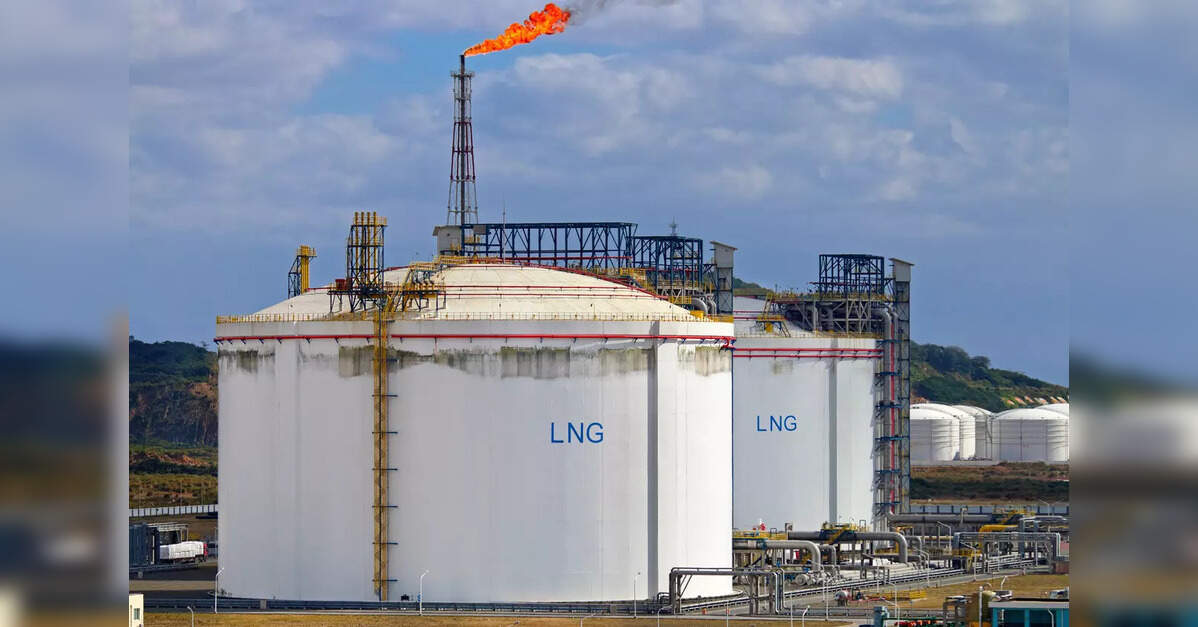
India’s ambitious drive towards sustainable and efficient freight movement has taken a significant step forward with the recently announced Memorandum of Understanding (MoU) between Tata Motors and THINK Gas. This collaboration, focused on strengthening the Liquefied Natural Gas (LNG) refueling ecosystem for long-haul and heavy-duty trucking, signals a pivotal moment for alternative fuels in one of the world’s fastest-growing economies. For energy investors, this partnership underscores the strategic importance of LNG as a transition fuel, particularly in sectors where electrification faces significant hurdles. The commitment to identify key freight corridors, establish robust logistics clusters, and ensure high standards of fuel quality and supply reliability highlights a comprehensive approach to unlocking the potential of LNG-powered commercial vehicles across India.
Market Volatility vs. Long-Term Decarbonization Mandates
The current energy market landscape presents a complex backdrop for investments in alternative fuels. As of today, Brent Crude trades at $90.38, marking a significant 9.07% decline within the day, with its range fluctuating between $86.08 and $98.97. Similarly, WTI Crude has fallen to $82.59, down 9.41% today. This downward pressure on crude prices is part of a broader trend, with Brent having dropped by nearly 19.9% over the past 14 days, from $112.78 on March 30th to its current level. Such volatility naturally leads investors to question, “what do you predict the price of oil per barrel will be by end of 2026?” This ongoing uncertainty impacts the competitive economics of diesel versus LNG.
While lower crude prices could, in the short term, make traditional diesel more attractive, the long-term investment thesis for LNG in India remains robust. The fundamental driver here is not just immediate cost, but a strategic national imperative for decarbonization and energy security. India’s commitment to reducing emissions from its rapidly expanding logistics sector provides a powerful underlying demand for cleaner fuels like LNG. Fleet operators and manufacturers are increasingly compelled by regulatory pressures, corporate sustainability goals, and the inherent performance benefits of LNG, including lower emissions and often more stable pricing over the long run compared to highly volatile crude derivatives. This partnership exemplifies how strategic infrastructure development is moving forward despite short-term commodity price fluctuations, signaling a deeper commitment to the energy transition.
Building the Backbone: Infrastructure & Supply Reliability
The success of any alternative fuel adoption hinges critically on the availability and reliability of refueling infrastructure. This is precisely where the Tata Motors and THINK Gas partnership aims to make a significant impact. Tata Motors, a leader in commercial vehicle manufacturing, brings its deep understanding of freight operations and logistics needs. By working closely with THINK Gas, they will identify crucial freight corridors and logistics clusters across India where LNG refueling stations are most needed. This targeted approach is vital for ensuring that LNG-powered trucks can operate efficiently without range anxiety, a common barrier to new fuel adoption.
THINK Gas, with its expertise in city gas distribution and now LNG fuel, will be instrumental in maintaining high standards of fuel quality and supply reliability. This commitment is paramount for optimal vehicle performance and efficiency, directly addressing concerns from fleet operators. Furthermore, the provision of exclusive benefits, including preferential pricing for Tata Motors customers, acts as a powerful incentive to accelerate the transition. This integrated strategy, combining vehicle supply, infrastructure development, and economic incentives, creates a compelling ecosystem designed to foster wider adoption of LNG-powered heavy-duty vehicles across the subcontinent.
Forward Outlook: Monitoring Global Energy Signals for LNG Investment
For investors focused on the broader energy landscape, understanding the dynamics that influence LNG’s long-term viability requires vigilance over upcoming global energy events. While the Tata-THINK Gas partnership focuses on domestic Indian market development, the global supply and demand picture for natural gas, and by extension LNG, is constantly evolving. In the immediate future, market participants will be keenly watching the OPEC+ JMMC Meeting on April 19th, followed by the full OPEC+ Ministerial Meeting on April 20th. Decisions made by this influential cartel regarding production quotas – a question actively posed by investors seeking to understand “What are OPEC+ current production quotas?” – can significantly impact crude oil prices, which then ripple through refined products like diesel. While LNG prices are typically delinked from crude, a sustained period of very low crude prices could put pressure on the economic competitiveness of LNG if diesel also becomes significantly cheaper.
Beyond OPEC+, the API Weekly Crude Inventory (April 21st, 28th) and EIA Weekly Petroleum Status Reports (April 22nd, 29th) will offer crucial insights into U.S. supply and demand dynamics, affecting global energy sentiment. The Baker Hughes Rig Count (April 24th, May 1st) will further inform expectations around future production capacity. These events, while not directly about LNG, collectively shape the macroeconomic energy environment in which LNG projects like those in India must compete and thrive. Investors should monitor these signals to gauge potential shifts in energy commodity pricing and to understand the broader context for India’s strategic push into LNG-fueled transportation.


