Tragedy Strikes Sikkim Hydropower Project: Methane Explosion Raises Critical Safety Questions for Energy Infrastructure Investors
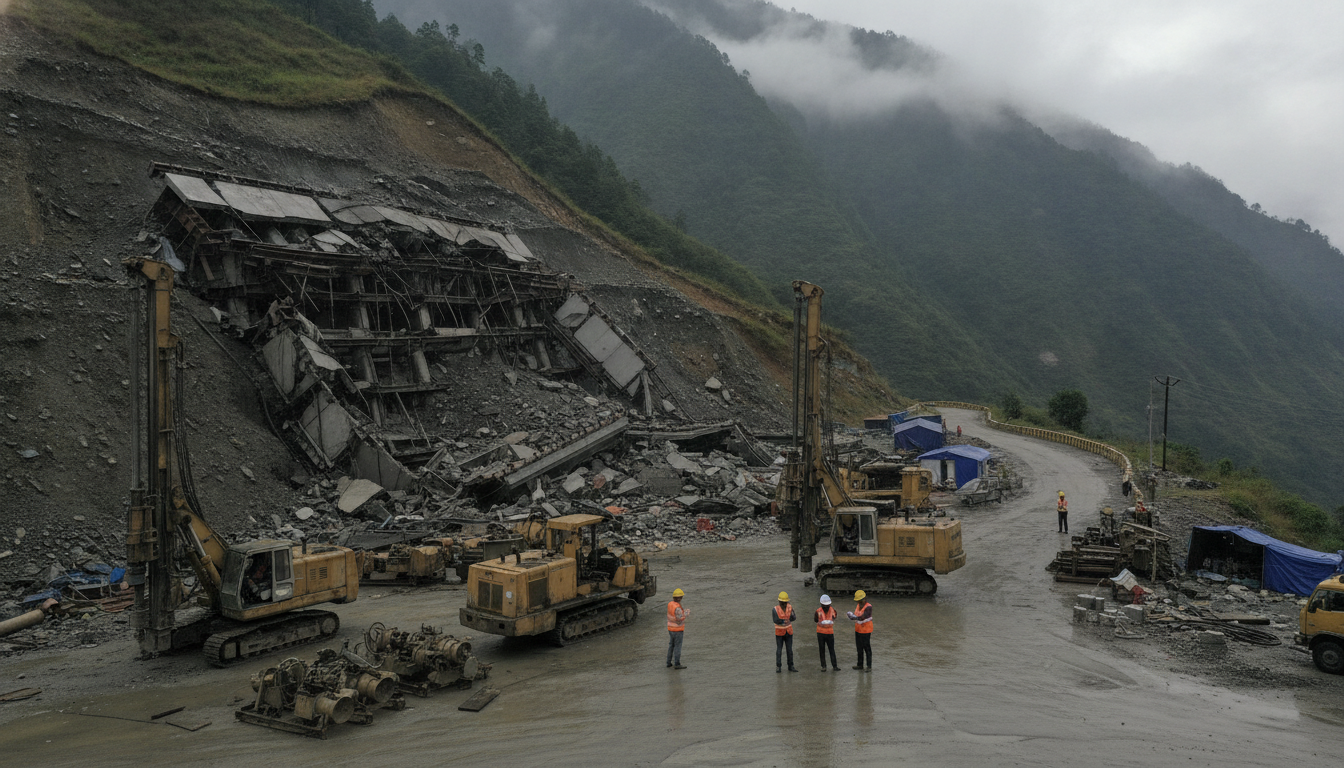
Namchi, Sikkim – A devastating explosion within an under-construction tunnel at the NHPC Teesta Stage VI Hydropower Project in Sikkim’s Namchi district has claimed the lives of at least 22 workers, sending shockwaves through the energy infrastructure development sector. Officials confirmed late last week that rescue teams had recovered the bodies of 22 laborers, with operations still underway to locate remaining individuals caught in the aftermath of the tragic incident. This catastrophe highlights severe operational risks, particularly concerning geological gas hazards, that investors in large-scale energy projects must meticulously scrutinize.
The Catastrophic Incident and Immediate Fallout
The calamity unfolded shortly after 1 PM last Monday when an explosion ripped through the tunnel, trapping 25 workers deep within the subsurface structure. Initial assessments, based on an official statement from NHPC, strongly point towards a sudden burst of suspected methane gas, naturally embedded or trapped within the rock formations. The forceful release of this combustible gas not only triggered the blast but also generated a dangerous atmosphere of dense fumes and toxic gases, severely complicating rescue efforts and tragically sealing the fate of many.
As of earlier reports, Namchi SP Sonam D Bhutia had confirmed 20 fatalities out of the 25 initially trapped. The grim task of identification continues, with eight bodies formally identified by Wednesday. These included four individuals from West Bengal’s Jalpaiguri district, alongside one each from Punjab, Uttarakhand, Assam, and the host state of Sikkim. Further reports indicated that several workers from Jharkhand’s Khunti, Hazaribag, and West Singhbhum districts were also engaged at the site, underscoring the pan-Indian workforce behind such critical infrastructure projects.
Financial Implications and Humanitarian Response
The immediate human cost is immeasurable, but the financial repercussions are also significant, impacting project timelines, operational expenditures, and corporate social responsibility. In response to the tragedy, multiple government bodies and the project developer have announced substantial ex gratia payments. NHPC, the project’s developer, promptly pledged ₹5 lakh for the next of kin of each deceased worker. Complementing this, Sikkim Chief Minister Prem Singh Tamang announced ₹4 lakh for each deceased individual’s family and ₹50,000 for every injured worker, demonstrating state-level commitment.
Further extending support, Prime Minister Narendra Modi’s office also declared an ex gratia of ₹2 lakh for the families of the deceased and ₹50,000 for those injured. While these funds offer crucial immediate relief, the cumulative financial burden for compensation, coupled with potential legal liabilities and the costs associated with the investigation and remedial safety measures, will undoubtedly impact the project’s overall economics. Investors must factor such unforeseen events and their associated financial outlays into their risk assessments for similar ventures.
Methane Risk: A Shared Concern Across Energy Infrastructure
The suspected cause of the explosion – a sudden methane gas burst – brings into sharp focus a pervasive risk in underground construction, a concern that extends far beyond hydropower to directly impact the oil and gas investing landscape. Methane, a potent greenhouse gas and highly flammable hydrocarbon, is commonly encountered in geological formations globally. Its presence poses significant safety challenges in tunneling, mining, and indeed, in the development of sub-surface oil and gas pipelines, storage facilities, and even some drilling operations.
For oil and gas investors, this incident serves as a stark reminder of the critical importance of rigorous geological surveys, advanced gas detection systems, and stringent ventilation protocols in any project involving significant underground excavation. A sudden release of trapped methane, particularly in confined spaces, can lead to devastating explosions, as seen in Sikkim, causing catastrophic loss of life, severe project delays, and immense financial setbacks. The Teesta Stage VI incident underscores the need for continuous innovation in subsurface risk management and emergency response for all energy infrastructure development.
Operational Delays and Investor Confidence
The Teesta Stage VI project, a crucial part of India’s renewable energy push, now faces inevitable delays. Investigations will be thorough, focusing on understanding the exact sequence of events, identifying any lapses in safety protocols, and assessing the adequacy of geological pre-assessments for methane pockets. Such pauses not only defer revenue generation but also inflate project costs through extended overheads, equipment rental, and increased labor expenses. For investors, this translates directly into altered return profiles and extended payback periods.
Beyond the immediate project, this tragedy could prompt a broader re-evaluation of safety standards and risk management practices across all large-scale infrastructure projects, especially those in geologically active or challenging terrains like the Himalayas. Enhanced regulatory oversight and stricter compliance requirements could emerge, adding layers of complexity and cost to future developments. While essential for worker safety, these measures will require developers to allocate increased capital to risk mitigation, potentially influencing investment decisions in the sector.
Lessons for Future Energy Investment
The Namchi incident at the NHPC Teesta Stage VI Hydropower Project is a tragic reminder that infrastructure development, particularly in challenging environments, carries inherent risks. For seasoned investors eyeing opportunities in the burgeoning energy sector, whether in hydropower, upstream oil and gas, or pipeline construction, the lessons are clear:
- **Due Diligence on Subsurface Risks:** Scrutinize geological survey reports, methane management plans, and ventilation systems with extreme care.
- **Evaluate Safety Culture:** Assess the developer’s track record, safety protocols, and commitment to worker well-being beyond mere compliance.
- **Contingency Planning:** Understand the financial provisions for potential accidents, delays, and unforeseen geological challenges.
- **Regulatory Environment:** Be aware of the local and national regulatory frameworks for safety, environmental protection, and disaster response.
As the rescue efforts conclude and investigations deepen, the energy sector will be watching closely for the findings and the subsequent industry-wide implications. This incident underscores that while the pursuit of energy security and sustainable development is vital, it must never come at the expense of human life and stringent safety standards.


