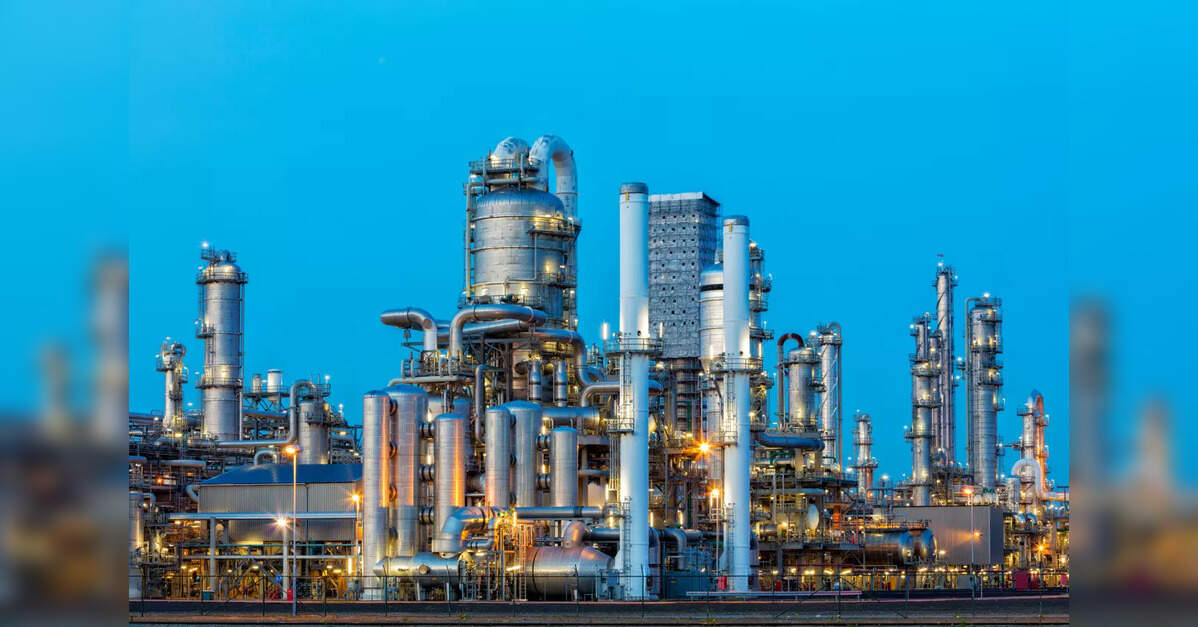
Senegal is poised to dramatically reshape its energy landscape, embarking on an ambitious plan to construct a second oil refinery. This move signals a strong commitment to bolstering domestic processing capacity, aiming for self-sufficiency in petroleum products and even regional export potential. As global energy markets grapple with volatility and the ongoing energy transition, Senegal’s multi-billion-dollar investment proposal presents a compelling, albeit complex, opportunity for investors looking at long-term growth in the African downstream sector. Our analysis delves into the strategic rationale, financial requirements, and the broader market dynamics influencing this significant development.
Senegal’s Strategic Push for Energy Self-Sufficiency and Regional Dominance
The proposed “SAR 2.0” project represents a critical step in Senegal’s national energy strategy. The national refining company, SAR, aims to add a substantial 4 million tons per year of processing capacity, a significant leap from its existing 1.5 million tons per year (approximately 30,000 barrels per day) facility. This expansion is designed to directly address the country’s current domestic shortfall in refined petroleum products. Feedstock for the new plant will primarily originate from the offshore Sangomar oil and gas field, which commenced production last year with an impressive annual output of 34.5 million barrels, or roughly 4.6 million tons. This direct linkage between upstream production and downstream processing enhances vertical integration, providing a stable supply for the new refinery. Construction is slated to begin next year, with a targeted production start-up date of 2029. This strategic timeline underscores Senegal’s long-term vision not only for meeting internal demand but also for positioning itself as a key exporter of refined products across West Africa, thereby enhancing its economic and energy security.
Navigating Volatile Crude Markets: A Macro Backdrop for Investment Decisions
The investment landscape for large-scale energy infrastructure projects like Senegal’s new refinery is heavily influenced by the prevailing global crude market conditions. As of today, Brent Crude is trading at $90.38, reflecting a significant daily decline of 9.07%, with its range fluctuating between $86.08 and $98.97. Similarly, WTI Crude has fallen to $82.59, down 9.41% within a range of $78.97 to $90.34. Gasoline prices have also seen a drop, now at $2.93, down 5.18%. This recent downturn is part of a broader trend; our proprietary data indicates Brent Crude has shed nearly 20% of its value over the past 14 days, falling from $112.78 to its current price. Such pronounced volatility creates a challenging environment for securing the $2 billion to $5 billion in investment sought for SAR 2.0. While lower crude prices can reduce feedstock costs for refiners, the inherent market uncertainty can deter capital flows into long-term projects. Investors are keenly watching these price movements, as they directly impact the projected profitability and risk profile of a refinery operational for decades. The downward pressure on prices prompts critical questions about the durability of demand and the stability of future revenue streams, making financing more complex despite the project’s strategic merits.
Upcoming Events and Their Influence on Refining Sector Outlook
The short-to-medium term outlook for global crude prices and, by extension, the attractiveness of downstream investments like Senegal’s refinery, will be heavily shaped by several upcoming events. Investors are particularly focused on the OPEC+ Full Ministerial Meeting scheduled for April 19th. Decisions made at this gathering regarding production quotas will have immediate and significant repercussions on global supply levels and price stability. Questions from our readers, such as “What are OPEC+ current production quotas?”, highlight the direct correlation between OPEC+ policy and investor sentiment toward oil-related assets. Any unexpected changes in output policy could either inject further volatility or provide a much-needed sense of stability to the market, directly impacting the financing terms for SAR 2.0. Furthermore, the API Weekly Crude Inventory reports on April 21st and 28th, followed by the EIA Weekly Petroleum Status Reports on April 22nd and 29th, will offer crucial insights into current demand trends and inventory levels in key consumption markets. These reports serve as short-term barometers for market health, and their outcomes can influence speculative trading and overall investor confidence in the energy sector. For a project targeting a 2029 start, the long-term price trajectory is paramount, and these recurring events offer critical signposts for that path.
Investor Sentiment and the Long-Term African Energy Play
Despite current market volatility, the strategic importance of Senegal’s refinery project resonates with a segment of investors focused on long-term energy security and regional growth in Africa. Our reader intent data shows investors are actively asking “what do you predict the price of oil per barrel will be by end of 2026?”, underscoring their sensitivity to price forecasts. While short-term price swings can be concerning, the development of SAR 2.0 is a multi-decade play. It aligns with a broader narrative of African nations seeking greater control over their energy resources and reducing reliance on imported refined products. The reported interest from potential investors, including China, Turkey, and South Korea, signifies that these strategic advantages are recognized internationally. These countries are likely viewing the project not just through the lens of crude prices but also through the geopolitical and economic benefits of securing long-term energy partnerships and market access in a growing region. The unanswered questions regarding the new refinery’s location and whether the Senegalese government will take an equity share in its development are critical factors that will shape its ultimate financing structure and perceived risk profile. For investors, understanding the balance between sovereign backing and private sector involvement will be key to evaluating the opportunity. This project represents a significant bet on Africa’s sustained demand growth for petroleum products, offering a compelling proposition for those with a long-term investment horizon.


