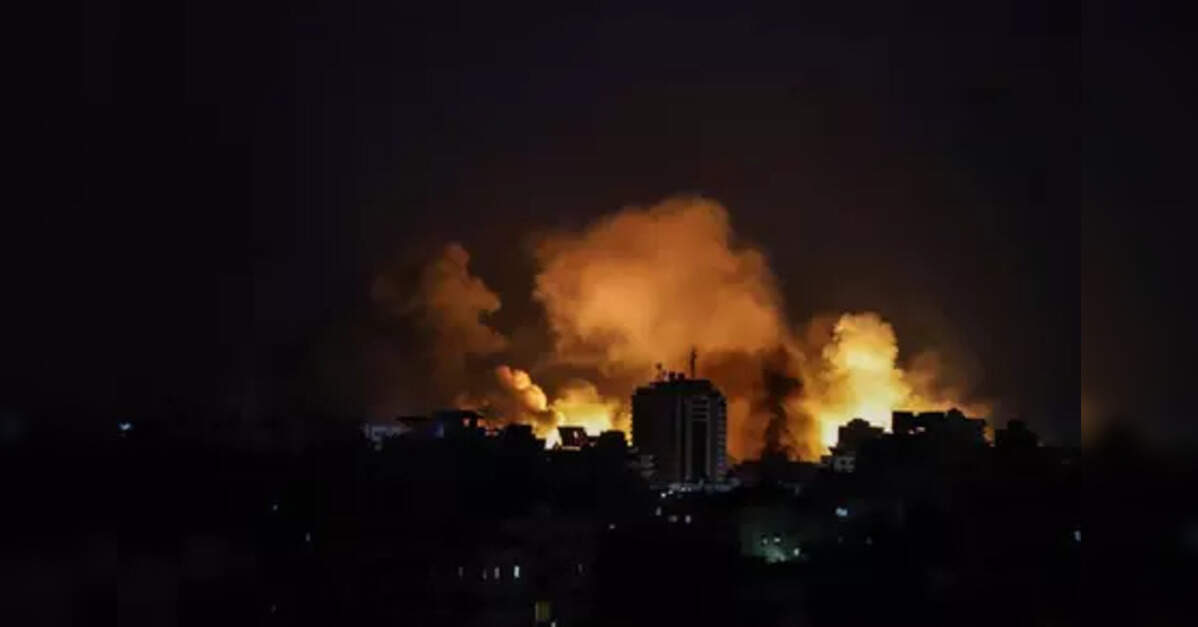
The recent drone strike on Russia’s Kirishi oil refinery in the Leningrad region has once again thrust geopolitical risk back to the forefront of the oil and gas investment landscape. This facility, a critical cog in Russia’s energy machine with a processing capacity of 355,000 barrels per day (17.7 million metric tons per year), is one of the nation’s top refineries, producing a wide array of vital petroleum products including gasoline, diesel, and aviation fuel. The attack, which reportedly caused explosions and fire, underscores the persistent vulnerability of energy infrastructure in conflict zones and its potential to introduce significant volatility into global supply chains. For investors, this incident is not merely a headline; it’s a potent reminder of the asymmetric supply risks that can quickly recalibrate market sentiment and price expectations.
Market Reaction Amidst Shifting Price Dynamics
Despite the severity of the Kirishi refinery strike, the immediate market reaction has been somewhat muted, suggesting a complex interplay of factors currently influencing crude prices. As of today, Brent crude trades at $98.17, reflecting a -1.23% daily dip from its intra-day high of $98.67, with WTI crude following a similar trajectory at $89.74, down -1.57%. Gasoline prices also saw a slight pull-back to $3.08. This current market posture is particularly interesting when viewed against the broader 14-day trend, which saw Brent crude fall by $14, or 12.4%, from $112.57 on March 27th to $98.57 on April 16th. This significant decline over the past two weeks indicates that underlying bearish pressures, potentially related to macroeconomic concerns or inventory builds, have been dominant. However, the Kirishi incident introduces a fresh layer of geopolitical premium. While the market may not have immediately spiked, the continued targeting of such a vital facility inherently raises the floor for future price movements, as traders price in an increased likelihood of further supply disruptions. The sheer scale of Kirishi’s output means any prolonged outage could tighten refined product markets, even if crude supply initially appears stable.
Investor Focus on Supply Resilience and OPEC+ Strategy
Our proprietary reader intent data reveals a clear focus among investors this week on critical questions surrounding supply stability and the strategic decisions of major producers. Investors are actively seeking clarity on “What are OPEC+ current production quotas?” and “What is the current Brent crude price?” This indicates a keen awareness that the global oil supply balance is delicate, and any unexpected disruption, such as the Kirishi refinery strike, could significantly influence future policy from OPEC+. The continuous targeting of Russian energy infrastructure, including major refineries operated by entities like Surgutneftegas, directly impacts Moscow’s ability to process its crude into salable products, both for domestic consumption and export. This vulnerability forces investors to re-evaluate the true ‘effective’ supply coming from Russia, beyond simple crude production numbers. The Kirishi strike, as one of Russia’s top two or three refineries by volume, is not an isolated event but part of a broader, sustained campaign that adds a tangible risk premium to the market, challenging the perceived resilience of global energy supply chains and pushing OPEC+ to carefully consider its next moves.
Forward-Looking Analysis: Upcoming Events to Watch
The coming weeks are packed with critical events that will further shape the oil market narrative, especially in light of the Kirishi refinery strike. Investors should closely monitor the upcoming OPEC+ meetings: the Joint Ministerial Monitoring Committee (JMMC) on April 18th and the Full Ministerial Meeting on April 20th. These gatherings are paramount as member nations will assess current market conditions, including any impacts from geopolitical events, and decide on production quotas. A sustained or escalating series of attacks on Russian refining capacity could provide a strong argument for OPEC+ to maintain current production cuts, or even consider further adjustments, to ensure market stability and prevent an uncontrolled price surge. Beyond OPEC+, the weekly API and EIA inventory reports on April 21st/22nd and April 28th/29th will offer crucial insights into the immediate supply-demand balance in the United States. Unexpected draws in crude or product inventories could amplify the perceived impact of the Kirishi outage, while builds might temper bullish sentiment. Additionally, the Baker Hughes Rig Count reports on April 17th and April 24th will provide a forward indicator of North American drilling activity, offering a longer-term perspective on future supply growth. The confluence of these scheduled events with ongoing geopolitical tensions means the market is poised for significant movement, demanding agile investment strategies.
Broader Implications for Refined Product Markets
The Kirishi refinery’s role extends far beyond merely processing crude; it is a significant producer of a broad spectrum of refined petroleum products, estimated at around 80 different types. This includes crucial components like automotive gasoline, diesel, and aviation fuel, all essential for both civilian economies and military operations. A sustained disruption or reduced operational capacity at Kirishi, or any other major Russian refinery, has direct and immediate implications for global refined product markets. Unlike crude oil, which can be rerouted with relative ease, refined products require specialized infrastructure and are often tied to specific regional demand patterns. Reduced output from Kirishi could lead to tighter supplies of these critical fuels, potentially driving up crack spreads and increasing import demand in regions that previously relied on Russian exports. This shift could disproportionately impact European and Asian markets seeking alternative sources, thereby exerting upward pressure on global product prices. Investors should therefore not only track crude oil prices but also pay close attention to refined product futures and differentials, as these may offer earlier signals of market tightening and present distinct trading opportunities in the wake of such significant infrastructure disruptions.


