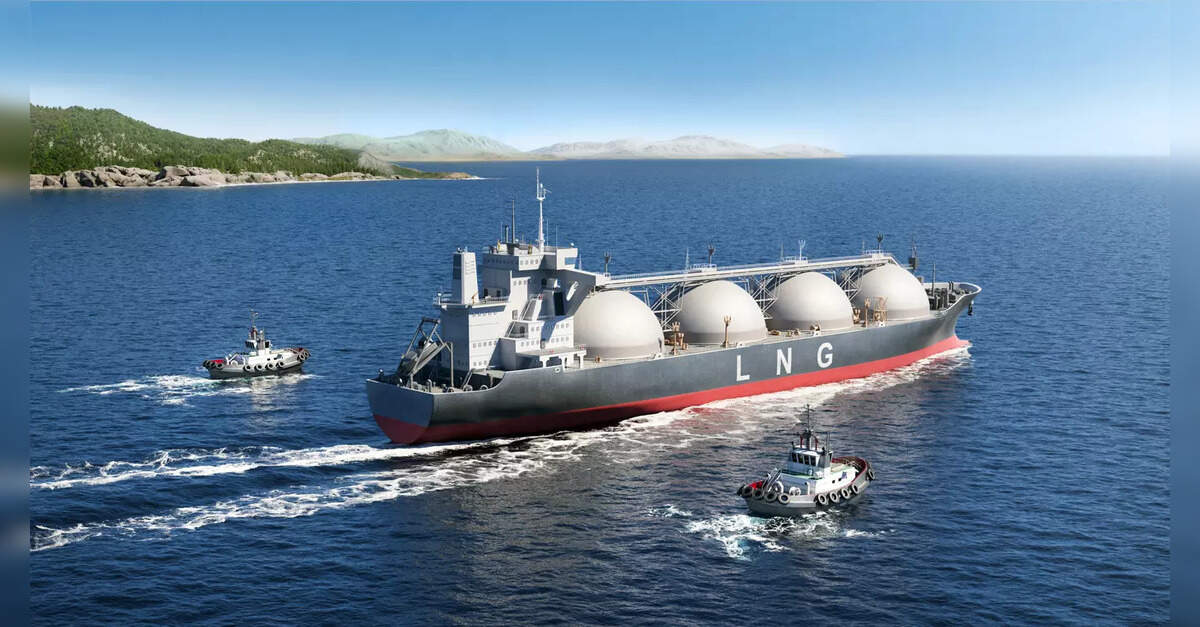
In a significant strategic realignment reflecting the evolving global energy landscape, Russia is poised to substantially increase its energy exports of both Liquefied Natural Gas (LNG) and coal to India. This move underscores Russia’s pivot towards Asian markets amidst Western sanctions and highlights India’s escalating energy demands as it pursues robust economic growth. For investors monitoring the intricate dynamics of global energy supply and demand, this deepening partnership between two major players presents both opportunities and challenges, particularly in the context of long-term fossil fuel commitments and energy transition pathways. Our proprietary data suggests a strong investor focus on understanding the durability of such long-term supply agreements and their implications for the broader energy complex.
Russia’s Strategic Reorientation and India’s Growing Energy Appetite
The announcement by Russian energy officials reaffirms India’s pivotal role in Russia’s fuel and energy complex, signaling a readiness to significantly boost LNG supplies from both existing and future projects. This commitment aligns directly with India’s ambitious goal to elevate the share of natural gas in its energy mix to 15 percent, a substantial increase that necessitates reliable and diversified import sources. Russia currently supplies India with approximately 3 million tonnes of LNG annually, a volume poised for considerable expansion. Beyond natural gas, the partnership extends to solid fuels, with plans to increase coal exports to India to an impressive 40 million tonnes by 2035. This long-term vision for coal exports, identifying India alongside China and Africa as a key promising market, underscores the continued relevance of conventional energy sources in the energy strategies of rapidly developing nations, even as global decarbonization efforts accelerate. This strategic alignment provides Russia with critical market diversification, mitigating the impact of geopolitical pressures by securing demand in a rapidly expanding economy.
LNG Expansion: Meeting India’s Future Gas Demands and Investor Questions
India’s pursuit of a 15 percent gas share in its energy mix represents a massive opportunity for global LNG suppliers. This target will drive significant demand for new import capacity and long-term supply contracts. Russia’s commitment to leverage both its operational and upcoming LNG facilities positions it as a crucial partner in this endeavor. For investors, understanding the specifics of these “future Russian projects” is paramount, as they will dictate the scale and timeline of increased supply. The expansion of LNG infrastructure, from liquefaction terminals in Russia to regasification facilities in India, will require substantial capital investment and present opportunities for specialized engineering and construction firms. While the immediate focus of many investors, as evidenced by questions like “what do you predict the price of oil per barrel will be by end of 2026?”, often centers on crude oil, the long-term outlook for natural gas in Asia significantly influences the overall energy investment thesis. The stability offered by long-term LNG contracts can provide a counter-cyclical hedge against the more volatile crude markets, a valuable consideration given the current landscape where the 14-day Brent trend shows a notable decline from $112.78 on March 30th to today’s $90.38.
Coal Exports: A Long-Term Anchor Amidst Energy Transition and Market Volatility
Despite the global push towards renewable energy, coal remains an indispensable component of India’s energy security, particularly for baseload power generation. Russia’s plan to boost coal exports to India to 40 million tonnes by 2035 highlights the enduring role of this commodity in the energy transition narrative of emerging economies. This target signifies a substantial logistical undertaking, requiring robust port infrastructure, rail networks, and efficient supply chains to manage the increased volumes. For investors, this segment of the market, while facing long-term environmental headwinds, continues to offer significant returns in the near to medium term due to consistent demand from industrializing nations. The stability of such long-term agreements provides a predictable revenue stream for Russian coal producers. As of today, Brent Crude trades at $90.38, reflecting a significant -9.07% drop and a day range of $86.08-$98.97. Similarly, WTI Crude is at $82.59, down -9.41%. This market volatility underscores the strategic value of diversified energy export portfolios and reliable demand centers like India, where long-term coal contracts, while distinct from crude pricing, offer a degree of revenue certainty.
Navigating Geopolitical Crosscurrents and Upcoming Market Catalysts
The backdrop of US sanctions against Russian oil majors like Rosneft and Lukoil, which have previously impacted India’s oil imports, clearly incentivizes Russia to solidify alternative export channels and deepen partnerships with non-sanctioning nations. While India has managed to maintain high levels of Russian oil imports despite these pressures, the strategic pivot towards increased LNG and coal exports further entrenches this energy alliance. For investors, this geopolitical context introduces unique risk-reward considerations. Companies involved in the logistics, financing, and development of energy infrastructure supporting these trade routes could see significant upside. Furthermore, the upcoming energy calendar presents several critical junctures that could influence investor sentiment across the entire energy complex. As we approach the critical OPEC+ JMMC and Ministerial Meetings on April 19th and 20th, decisions regarding crude production quotas will undoubtedly ripple across the broader market. Readers are actively inquiring about “OPEC+ current production quotas,” underscoring the market’s focus on supply-side management. While these meetings directly impact crude oil, their outcomes often set the tone for investor confidence in the overall fossil fuel sector, indirectly influencing the viability and perception of long-term gas and coal commitments. The subsequent API and EIA weekly inventory reports on April 21st and 22nd, respectively, will provide crucial insights into immediate supply-demand balances, adding further layers to market analysis and investment strategies.
Investment Outlook: Long-Term Growth in a Shifting Energy Paradigm
The deepening energy partnership between Russia and India, characterized by substantial long-term commitments in LNG and coal, offers a compelling narrative for investors focused on emerging markets and diversified energy portfolios. While the global energy transition favors renewables, the reality of India’s rapid industrialization and vast energy needs means fossil fuels will play a critical role for decades to come. Companies positioned to facilitate this trade, including those in shipping, port operations, and energy infrastructure development, stand to benefit. Furthermore, the strategic stability offered by these bilateral agreements provides a degree of predictability for Russian energy producers, insulating them from some of the volatility seen in other markets. Investors should closely monitor the execution of these export targets, the development of associated infrastructure, and the evolving geopolitical landscape for potential opportunities and risks within this dynamic energy corridor. The sustained demand from countries like India ensures that even as the world transitions, traditional energy commodities will continue to drive significant investment flows and strategic partnerships.


