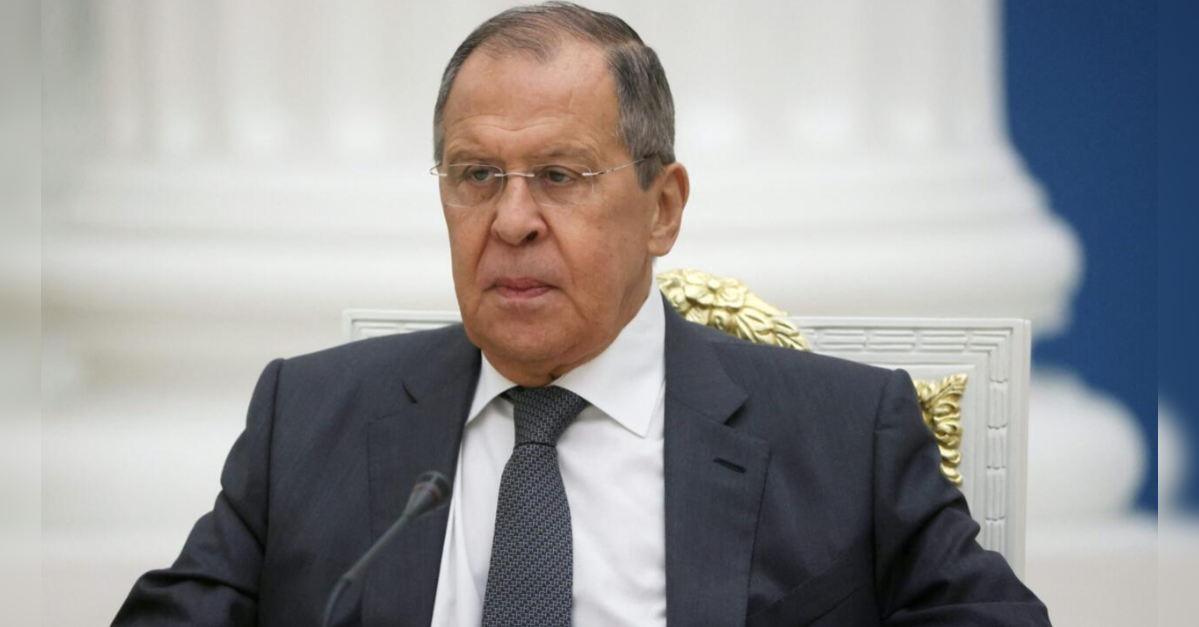
The global energy landscape remains a complex interplay of geopolitics, economics, and investor sentiment. Recent statements from Russian Foreign Minister Sergey Lavrov regarding India’s energy purchasing decisions underscore the enduring nature of certain bilateral energy relationships, even amidst broader international pressures. Lavrov asserted that India’s growing ties with the United States or any other nation would not serve as a benchmark for New Delhi-Moscow relations, emphasizing a “particularly privileged strategic partnership.” This declaration, made ahead of expected high-level meetings, provides critical insight into the stability of a key energy trade corridor that has redefined global crude flows. For investors, understanding the resilience of these alliances is paramount in forecasting supply dynamics and price stability in a volatile market.
Geopolitical Resilience: The Enduring India-Russia Energy Axis
Lavrov’s remarks confirm Russia’s full respect for India’s independent foreign policy, particularly under Prime Minister Narendra Modi’s leadership. This diplomatic framing legitimizes India’s continued imports of Russian crude, which have surged dramatically since sanctions were imposed on Moscow by Western nations. India’s External Affairs Minister S. Jaishankar’s stance, that purchasing decisions from non-US suppliers like Russia are India’s “own business,” reflects a strong commitment to national energy security and economic interest. This autonomy allows India to secure discounted crude, a significant advantage for its rapidly growing economy and energy demand. The ongoing high-level contacts, including a recent meeting between PM Modi and President Vladimir Putin at the Shanghai Cooperation Organisation (SCO) summit and an anticipated visit by President Putin to New Delhi in December, reinforce the strategic depth of this partnership. For energy investors, this signals a robust and reliable demand sink for Russian crude, providing a foundational floor for global supply considerations despite geopolitical headwinds elsewhere.
Market Volatility and Geopolitical Undercurrents
The current market snapshot offers a stark contrast to the perceived stability of the India-Russia energy relationship. As of today, Brent Crude trades at $90.38, marking a significant 9.07% decline within the day, with its range fluctuating between $86.08 and $98.97. Similarly, WTI Crude stands at $82.59, down 9.41% for the day, having traded between $78.97 and $90.34. This sharp downward momentum is part of a broader trend; Brent has seen a substantial 18.5% drop from $112.78 on March 30th to $91.87 just yesterday, with today’s price pushing even lower. While macroeconomic concerns and demand outlooks often drive such volatility, the underlying geopolitical dynamics, such as the steadfast India-Russia trade, provide a crucial counterpoint. The sustained flow of Russian oil to India helps rebalance global supply, preventing even greater price spikes that might otherwise occur due to disruptions elsewhere. Investors must weigh the impact of these stable bilateral energy corridors against broader market sentiment and economic indicators when assessing short-to-medium term price movements.
Investor Outlook: Navigating Supply Dynamics and Upcoming Catalysts
Investors are keenly focused on the future trajectory of crude prices, with a recurring question being, “What do you predict the price of oil per barrel will be by end of 2026?” The stability of Russia’s exports to key buyers like India is a non-OPEC+ factor that directly influences this outlook. However, the most immediate catalysts for price shifts are the upcoming OPEC+ meetings. The Joint Ministerial Monitoring Committee (JMMC) convenes tomorrow, April 18th, followed by the full OPEC+ Ministerial Meeting on April 19th. These meetings are critical as members discuss production quotas and market strategy. While Lavrov’s comments suggest Russia’s supply to India remains secure, OPEC+ decisions could introduce new variables into the global supply equation. Many investors are also asking about “OPEC+ current production quotas” as a baseline for future policy adjustments. Any signals from these gatherings regarding production cuts or increases will have an immediate impact on prices. Additionally, the API Weekly Crude Inventory report on April 21st and the EIA Weekly Petroleum Status Report on April 22nd will provide crucial insights into short-term supply and demand balances, further shaping market sentiment heading into the end of April.
Strategic Autonomy and Long-Term Energy Implications
India’s assertion of “self-respect” in its energy sourcing strategy, as highlighted by Lavrov, carries significant long-term implications for the global energy market structure. This pursuit of strategic autonomy, mirroring similar stances by nations like Turkiye, signals a permanent shift towards diversified supply chains less susceptible to unilateral pressure. For investors, this means anticipating continued shifts in trade routes, payment mechanisms (e.g., non-dollar transactions), and the development of new energy infrastructure to support these independent flows. The extensive bilateral agenda between India and Russia, spanning trade, military, technology, and finance, suggests a deepening integration that will further solidify their energy ties. This evolution creates opportunities for companies involved in shipping, refining, and financial services that can adapt to these new geopolitical realities. As the global energy map continues to redraw, understanding and investing in nations prioritizing strategic autonomy will be key to navigating a more multipolar and resilient energy market.


