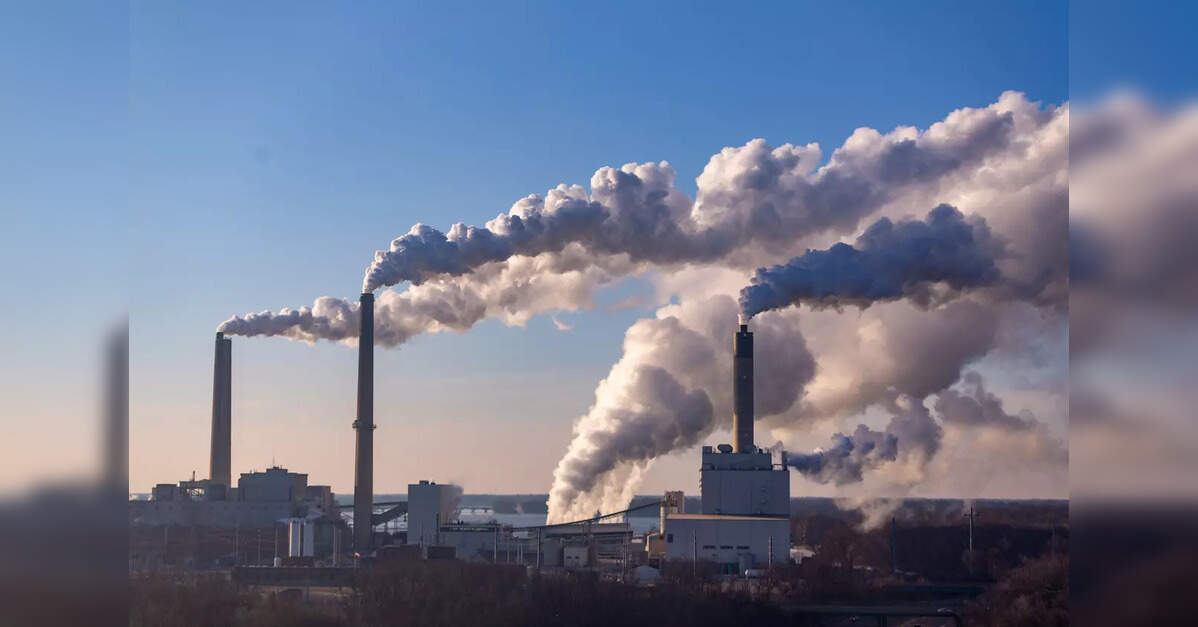
The global energy landscape is undergoing a profound transformation, driven not only by technological advancements and economic shifts but increasingly by evolving societal expectations regarding environmental health. A growing focus on air pollution, once primarily an ecological concern, is rapidly morphing into a significant regulatory and market risk for the oil and gas sector. Across major developing economies, where energy demand continues to climb, public awareness campaigns promoting cleaner fuels and sustainable practices are becoming commonplace, signaling a fundamental shift in sentiment that directly impacts traditional hydrocarbon producers. Investors must recognize that these initiatives, often championed by energy companies themselves, are not merely corporate social responsibility efforts; they are harbingers of tightening regulations and shifting capital flows that will redefine future profitability in the sector.
The Escalating Pressure for Cleaner Air
For years, the oil and gas industry has navigated geopolitical tensions and market cycles. However, a new, pervasive pressure point has emerged: air quality. Extensive public education initiatives, some running for nearly a decade and garnering prestigious awards for their effectiveness, highlight a concerted effort to shift public behavior and consumption patterns towards cleaner energy sources like natural gas, biogas, and renewables. These campaigns, whether promoting the adoption of cleaner vehicle fuels or encouraging sustainable personal habits, reflect a widespread recognition of air pollution’s severe health and economic costs. This sustained public engagement translates directly into political will, inevitably leading to more stringent emissions standards, carbon pricing mechanisms, and incentives for alternative energy. For investors, this means that the social license to operate for companies heavily reliant on high-emission hydrocarbons is shrinking, demanding proactive strategies for decarbonization and diversification.
Market Volatility Reflects Underlying Demand Uncertainty
The current market snapshot provides a stark illustration of the volatility and underlying anxieties pervading the energy sector. As of today, Brent Crude trades at $90.38 per barrel, marking a significant daily decline of 9.07%, while WTI Crude stands at $82.59, down 9.41%. This sharp correction follows a broader trend, with Brent having plummeted by $22.4, or 19.9%, from $112.78 just two weeks ago. Gasoline prices, currently at $2.93, also reflect a daily drop of 5.18%. While immediate factors like inventory data or geopolitical headlines often trigger such movements, the persistent focus on air quality and cleaner fuels contributes to a structural uncertainty regarding long-term demand for traditional refined products. Investors are increasingly factoring in the potential for reduced consumption stemming from regulatory mandates and consumer shifts, adding another layer of complexity to price discovery beyond conventional supply-demand dynamics.
Navigating Upcoming Events Amidst Evolving Policy Frameworks
Looking ahead, the next two weeks are packed with critical energy events, yet investors must analyze them through the lens of an evolving policy landscape driven by air pollution concerns. The OPEC+ Ministerial Meeting scheduled for April 19th will undoubtedly focus on production quotas and market stabilization. However, the group’s long-term strategy will increasingly need to account for demand erosion driven by global decarbonization efforts and stricter air quality regulations in major consuming nations. Weekly data releases, such as the API Crude Inventory on April 21st and 28th, and the EIA Weekly Petroleum Status Report on April 22nd and 29th, will offer snapshots of immediate supply and demand. Yet, these figures must be interpreted within a broader context where governments are actively incentivizing shifts away from fossil fuels. Even the Baker Hughes Rig Count, due on April 24th and May 1st, which indicates drilling activity, could see future trends influenced by capital reallocation towards projects with lower emissions profiles or those focused on natural gas, which is often promoted as a cleaner transition fuel.
Investor Focus: Beyond Prices to Strategic Resilience
Our proprietary reader intent data reveals a clear investor preoccupation with future market direction. Many are asking about oil price predictions for the end of 2026, indicating a desire to understand the long-term trajectory of the market amidst current volatility. Queries about OPEC+ current production quotas underscore the immediate supply-side concerns, but the underlying anxiety about future demand is palpable. Furthermore, specific questions about individual company performance, such as how a major European integrated energy firm might fare in April 2026, highlight that investors are already evaluating corporate resilience in this changing environment. Companies with robust natural gas portfolios, significant investments in carbon capture technologies, or diversified renewable energy assets are likely to be viewed more favorably. The increasing focus on air quality dictates that strategic adjustments are no longer optional but essential for maintaining investor confidence and securing long-term capital.
In conclusion, the growing global emphasis on air pollution is no longer a peripheral issue for the oil and gas industry; it is a core driver of regulatory risk and a significant influence on investment decisions. The proliferation of public awareness campaigns and the subsequent policy shifts towards cleaner fuels are creating a new operating environment. Investors who fail to integrate these environmental and social pressures into their analysis risk misjudging market dynamics and long-term asset values. The path forward for hydrocarbon producers involves strategic adaptation, diversification, and a clear commitment to reducing environmental impact, ensuring they remain viable and attractive in a world increasingly demanding clean air.


