Prax Group’s Collapse: A Quarter-Billion-Pound Tax Hole Rocks UK Energy Sector
The recent descent of the Prax Group, specifically its parent entity State Oil, into insolvency has sent tremors through the UK energy landscape, revealing a staggering potential debt of up to £250 million owed to the British government in unpaid taxes. This development is not merely a corporate failure; it signals significant financial vulnerabilities within a critical segment of the nation’s downstream oil and gas infrastructure and serves as a stark warning for investors monitoring the sector’s stability and regulatory compliance.
Sources close to the situation indicate that the substantial outstanding amount, currently under discussion between Prax and HM Revenue & Customs (HMRC), likely pertains to fuel duties. These are taxes typically levied on fuel suppliers and subsequently incorporated into the price consumers pay at the pump. The sheer scale of these monthly obligations underscores the immense financial strain the company must have been under, culminating in its ultimate collapse. While specific entities within the sprawling Prax network responsible for the debt remain unconfirmed, the implications for the UK’s Treasury and the broader market are profound.
Lindsey Refinery in Receivership: A Blow to UK Energy Security
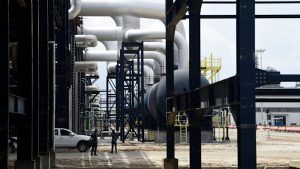
Perhaps the most immediate and tangible consequence of Prax’s financial distress is the receivership of the Lindsey oil refinery. Situated on the Humber, this facility is a linchpin of UK fuel supply, responsible for processing approximately one-tenth of the nation’s fuel requirements. Its status as one of only five remaining operational refineries in the country amplifies the strategic importance of its continued operation. The move to receivership places more than 400 jobs at direct risk, a significant blow to the local economy and a concern for national energy security.
Government officials, including UK Under-Secretary for Energy Michael Shanks, had been informed of commercial difficulties at Lindsey as early as late April. Energy Secretary Ed Miliband even met with Prax CEO Sanjeev Kumar Soosaipillai in mid-May to explore potential government support. Yet, despite these high-level discussions, Prax leadership publicly maintained until last week that the refinery was not facing closure, a claim that now stands in stark contrast to the current reality. This discrepancy raises questions about corporate transparency and the efficacy of early intervention efforts in preventing such a substantial collapse.
Unraveling Years of Liquidity Challenges and Corporate Growth
The insolvency of Prax is not an overnight occurrence but rather the culmination of several years of mounting liquidity issues. This prolonged financial struggle prompted the engagement of external advisors, with Deloitte seconding a partner to the company in 2023. This intervention was part of a strategic initiative known as “Project King,” aimed at streamlining operations and implementing cost reduction measures in an attempt to stabilize the company’s financial footing. However, these efforts ultimately proved insufficient to avert the current crisis.
The Prax Group’s trajectory has been remarkable. Founded in 1999 by husband and wife team Sanjeev and Arani Soosaipillai with a single petrol station near St Albans, the company rapidly expanded into a formidable global oil enterprise. It boasted annual revenues exceeding $10 billion, a testament to an aggressive growth strategy that included significant acquisitions and diversification across the oil and gas value chain. This meteoric rise makes the current financial unraveling all the more striking, highlighting the inherent risks and rapid shifts possible within the volatile energy markets.
Leadership Transition Amidst the Turmoil
Adding another layer of complexity to the Prax saga is the sudden departure of its founder, Sanjeev Kumar Soosaipillai. Requests for comment sent to his Prax email address were met with an automated response indicating he is no longer employed by the company. Neither Sanjeev, Arani, nor the business itself has issued a public statement since the parent company, State Oil, formally entered insolvency. This leadership vacuum creates further uncertainty regarding the future direction of the group’s remaining assets and the resolution of its substantial financial obligations. Vladimir Langhamer, Prax’s Managing Director for Europe, has not yet commented on the unfolding situation.
Investor Implications and Broader Market Outlook
For investors keenly observing the oil and gas sector, the Prax Group’s collapse serves as a critical case study in corporate financial risk and regulatory compliance. The sheer magnitude of the unpaid tax liabilities, potentially related to fuel duties, underscores the importance of thorough due diligence into a company’s fiscal health and adherence to national tax regulations. Such large, undisclosed obligations can swiftly undermine even seemingly robust balance sheets, impacting market valuation and investor confidence.
The fate of the Lindsey refinery also has broader implications for UK energy security and the viability of domestic refining capacity. Any prolonged disruption or uncertain future for such a vital asset could necessitate increased reliance on imported refined products, potentially impacting supply chain stability and fuel prices. As the insolvency proceedings unfold and the government assesses its options for the Lindsey facility, the market will be watching closely for signals regarding the future investment climate in the UK’s energy infrastructure. This event highlights that even established players with significant market share are not immune to profound financial distress, demanding constant vigilance from those allocating capital in the energy space.