Porsche’s Wireless Charging Innovation: A New Pressure Point for Oil Demand
The recent announcement from Porsche regarding the market maturity of its 11 kW inductive charging system for battery-electric vehicles represents more than just a technological advancement; it signals an accelerating shift in the automotive landscape that will inevitably ripple through the global energy markets. While the immediate impact on crude oil demand may seem distant, this development, set to debut with the fully electric Cayenne in late 2025 and sales starting in 2026, significantly enhances the convenience and appeal of electric vehicles. For oil and gas investors, this innovation underscores the persistent long-term structural pressures on demand, necessitating a nuanced understanding of market dynamics beyond short-term supply-side fluctuations.
Enhancing EV Adoption Through Unprecedented Convenience
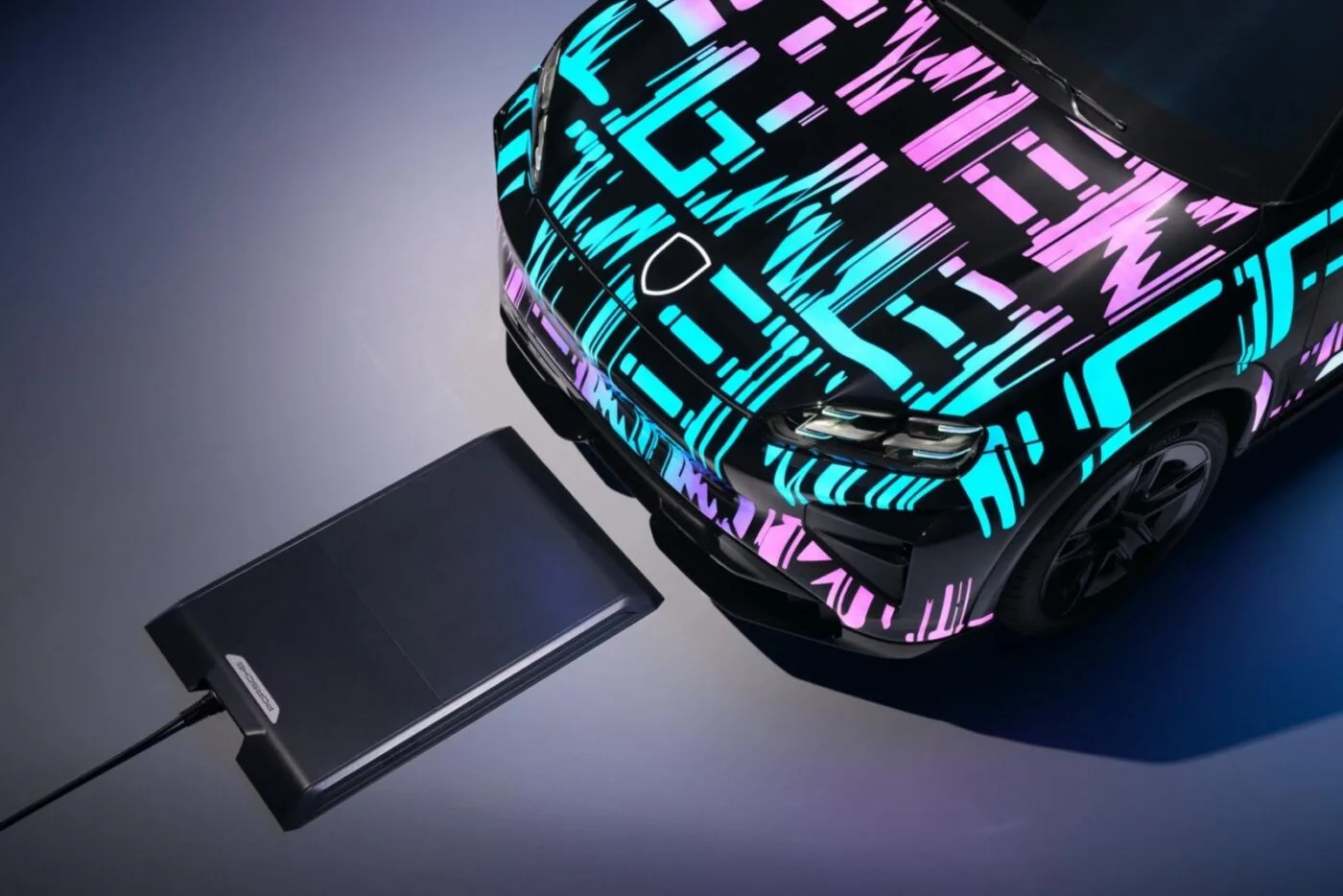
Porsche’s achievement of 11 kW AC charging wirelessly, coupled with an impressive energy transfer efficiency of up to 90%, is a game-changer for electric vehicle user experience. The system’s “one-box base plate” design, eliminating the need for a separate wall box or control unit, drastically simplifies installation. This compact, 50 kg floor plate can be integrated seamlessly into a garage, carport, or even an open-air parking space, connecting directly to the mains and offering robust protection against environmental elements. The integration of LTE and WLAN modules ensures future software updates and infrastructure support, making it a truly future-proof solution.
The German automaker estimates that approximately 75% of its drivers’ charging sessions occur at home. This statistic highlights the critical importance of home charging convenience in driving broader EV acceptance. As Dr. Michael Steiner, Porsche Board Member for Development, aptly states, “Ease of use, suitability for everyday use and charging infrastructure are still the decisive factors when it comes to the acceptance of electric mobility.” By making home charging as simple as parking a vehicle – with the system automatically guiding the driver to the optimal position – Porsche is effectively removing a major friction point. This leap in convenience, initially targeting the premium segment, sets a precedent that will likely influence design and expectations across the entire EV market, potentially accelerating the pace of adoption far beyond current conservative projections and intensifying the long-term headwinds for gasoline demand.
Oil Markets Grapple with Structural Shifts Amidst Volatility
Against the backdrop of such technological advancements, the crude oil market continues to exhibit a delicate balance of short-term volatility and long-term structural anxieties. As of today, Brent crude trades at $98.33, reflecting a 1.07% decline, with an intraday range of $97.92 to $98.67. Similarly, WTI crude is priced at $89.60, down 1.72% within a range of $89.37 to $90.26. This recent softness continues a broader trend, with Brent having fallen from $112.57 on March 27th to $98.57 on April 16th, representing a significant $14 or 12.4% contraction in less than three weeks.
This market behavior indicates that while geopolitical events and immediate supply concerns can induce sharp price swings, the underlying narrative of evolving global energy demand is increasingly influencing sentiment. The persistent downward pressure on gasoline prices, currently standing at $3.07 and down 0.65% today, further corroborates this trend. For investors, the significance of Porsche’s wireless charging breakthrough lies not in its immediate disruption, but as a clear signal that the electrification of transport is progressing rapidly and becoming increasingly user-friendly. This contributes to the bearish tilt, as markets begin to price in the eventual erosion of petroleum demand, pushing the concept of “peak oil demand” closer to the forefront of strategic planning for integrated oil companies and upstream producers alike.
Navigating Upcoming Events and Investor Concerns
Our proprietary data on investor intent this week reveals a strong focus on both immediate market drivers and the broader supply landscape. Investors are actively asking about “OPEC+ current production quotas” and seeking real-time “Brent crude prices,” demonstrating a clear desire to understand both the current state of play and the mechanisms governing global supply. These questions become particularly pertinent given the slate of upcoming energy events.
The Joint Ministerial Monitoring Committee (JMMC) of OPEC+ meets tomorrow, April 17th, followed by the full Ministerial Meeting on April 18th. These gatherings are crucial for setting near-term supply policy. How OPEC+ responds to current price trends and their assessment of global demand, particularly in light of accelerating EV adoption, will be closely watched. Any indication of maintained or increased cuts could support prices, while a loosening could exacerbate current declines. Furthermore, the API Weekly Crude Inventory report on April 21st and 28th, alongside the EIA Weekly Petroleum Status Report on April 22nd and 29th, will provide critical insights into inventory levels and short-term demand signals. The Baker Hughes Rig Count on April 24th and May 1st will offer a glimpse into future production capacity. For investors, the key lies in interpreting these immediate data points through the lens of long-term energy transition. While OPEC+ decisions can impact prices in the coming weeks, the strategic question remains: how will the cartel manage supply in an environment where technological innovations like Porsche’s inductive charging consistently chip away at future demand growth?
Investment Implications for the Oil and Gas Sector
The consistent march of EV innovation, exemplified by Porsche’s wireless charging system, presents a compelling challenge and opportunity for oil and gas investors. While the immediate volumetric impact of a single luxury automaker’s EV strategy on global oil demand is minimal, the cumulative effect of such advancements cannot be ignored. This technology, set to be showcased at the IAA in Munich, serves as a powerful reminder that the energy transition is not a distant aspiration but an ongoing reality, continuously evolving and surprising with its pace of innovation.
For investors, this reinforces the imperative to re-evaluate long-term asset valuations and capital expenditure plans within the oil and gas sector. Companies heavily reliant on gasoline or diesel demand will face increasing pressure. Diversification into lower-carbon energy solutions, enhanced operational efficiency, and a relentless focus on reducing breakeven costs for remaining hydrocarbon assets will be paramount. Oil and gas majors that are actively investing in charging infrastructure, renewable energy, and carbon capture technologies are better positioned to navigate this evolving landscape. The message is clear: the future of energy investing demands a forward-looking perspective, where technological breakthroughs in electrification are viewed not as isolated events, but as integral components shaping the long-term trajectory of global energy demand and, consequently, the profitability of the oil and gas industry.


