The Geopolitical Tug-of-War: India’s “Make in India” Meets ONGC’s Global Tender
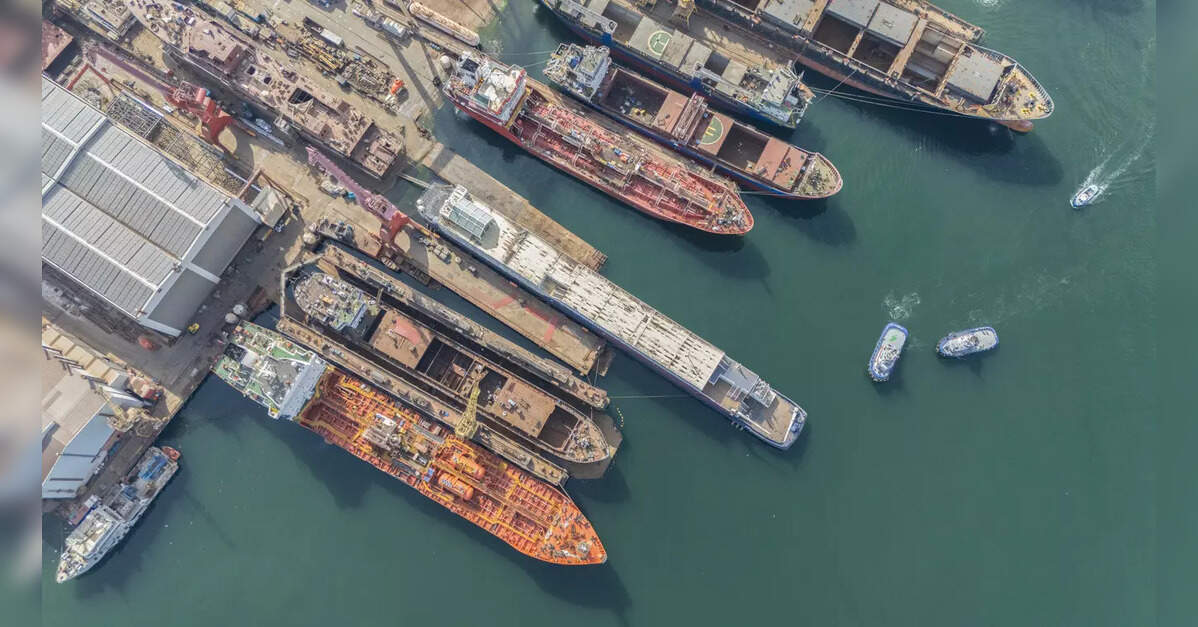
India’s energy giant, Oil and Natural Gas Corporation (ONGC), stands at a critical juncture, balancing national strategic imperatives with the drive for operational efficiency. The company is preparing for a pre-bid meeting this Wednesday for a global tender to construct four Platform Supply Vessels (PSVs), a deal estimated to be worth over ₹1,000 crore. This move has ignited a fierce debate, with the Shipyards Association of India (SAI), representing 19 local shipbuilders, strongly lobbying the Ministry of Petroleum and Natural Gas for preferential treatment. Their argument centers on the ‘Make in India’ and ‘Atmanirbhar Bharat’ policies, asserting that indigenous yards possess the capacity and capability for such projects. ONGC, on the other hand, cites cost savings as the primary driver for a global tender. This conflict highlights a broader investment theme: how nationalistic industrial policies intersect with the hard realities of global commodity markets and corporate capital allocation.
Navigating Volatile Markets: ONGC’s Investment Calculus Amidst Price Swings
The timing of this tender discussion is particularly sensitive given the current dynamics in the global oil market. As of today, Brent Crude trades at $90.38, marking a significant 9.07% decline in a single day, with its day range spanning from $86.08 to $98.97. Similarly, WTI Crude has seen a sharp drop of 9.41%, now at $82.59. This daily volatility follows a more protracted downturn, with Brent having fallen from $112.78 on March 30 to its current level, representing a nearly 20% depreciation over just two weeks. Such dramatic price swings inject a profound layer of uncertainty into the capital expenditure decisions of upstream companies like ONGC. While SAI argues that a “minor increase in capital cost” for local procurement would be offset by “lifetime costs of acquisition,” the immediate pressure of a declining revenue stream from lower crude prices can make upfront cost efficiency through global tendering incredibly appealing. Investors closely monitor how oil majors manage their capex budgets in such environments, as it directly impacts free cash flow and dividend sustainability.
Upcoming Catalysts: Global Events Shaping India’s Energy Investment Landscape
The strategic implications of ONGC’s tender process extend beyond national borders, influenced by key upcoming global energy events. Investors are keenly watching the OPEC+ Joint Ministerial Monitoring Committee (JMMC) meeting this Sunday, April 19, followed by the full OPEC+ Ministerial Meeting on Monday, April 20. Decisions from these gatherings regarding production quotas could significantly impact crude supply and, consequently, price stability. A move towards increased supply in an already volatile market could further dampen prices, intensifying ONGC’s focus on cost-efficient procurement. Conversely, any indication of tighter supply could alleviate some pressure. Furthermore, the API Weekly Crude Inventory report on Tuesday, April 21, and the EIA Weekly Petroleum Status Report on Wednesday, April 22, will provide critical insights into demand dynamics in major consumption hubs. For ONGC, which operates in a capital-intensive sector, the macro environment shaped by these events will dictate the attractiveness of its projects and the broader investment climate for its domestic and international partners. The push for local content in PSV construction, while aligned with national policy, must contend with these overarching market forces.
Investor Focus: Decoding Policy Risk and Strategic Value in O&G Portfolios
Our proprietary reader intent data reveals that investors are actively seeking clarity on the future of oil prices, with questions like “what do you predict the price of oil per barrel will be by end of 2026?” and “What are OPEC+ current production quotas?” dominating discussions. This reflects a fundamental concern about the long-term profitability and valuation of integrated oil and gas companies, including ONGC. The current debate over the PSV tender directly feeds into this investor narrative. The Shipyards Association of India’s demands for a ‘Right of First Refusal’ (RoFR) and eased Earnest Money Deposit (EMD) and Performance Bank Guarantee (PBG) terms for Micro, Small, and Medium Enterprises (MSMEs) introduce an element of policy risk. While RoFR could provide a competitive edge to local yards and foster domestic shipbuilding, it could also potentially limit the pool of bidders, affecting pricing and project timelines for ONGC. Similarly, reducing the EMD from ₹8 crore and PBG from 10% to 3% could undoubtedly support MSMEs by freeing up capital and enhancing their participation. However, investors will analyze whether such concessions introduce additional risks related to project execution or long-term operational costs for ONGC. The challenge for ONGC, and by extension for its investors, is to navigate these policy mandates without compromising operational efficiency and value creation in a persistently uncertain global energy market.


