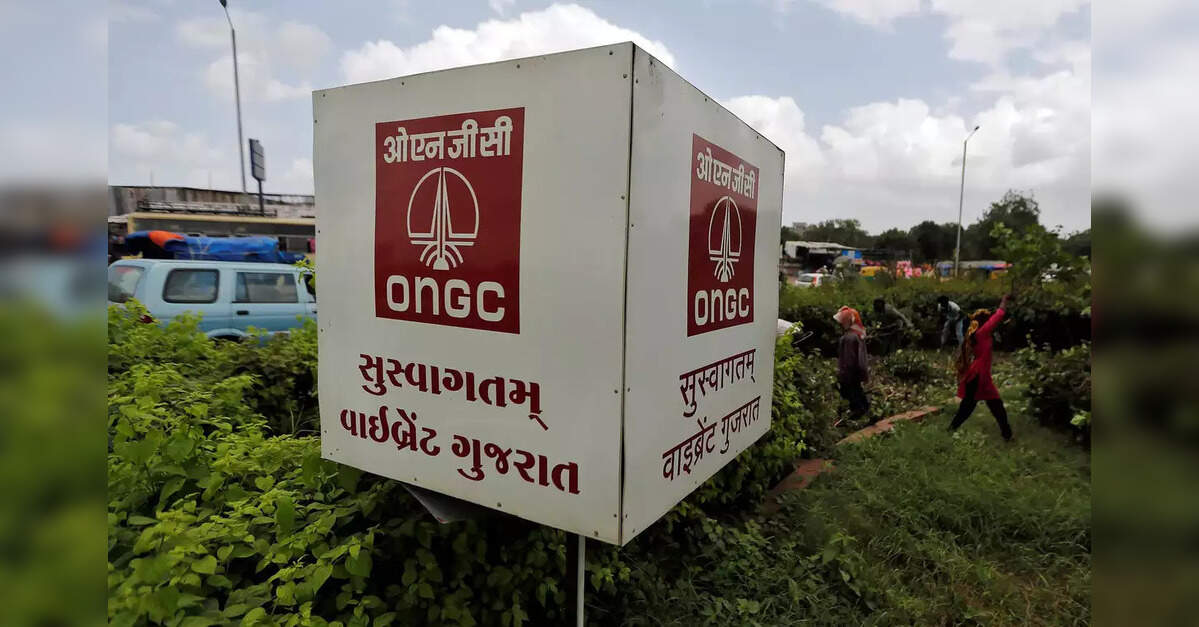
The recent fire at ONGC’s Uran gas processing plant in Navi Mumbai, though swiftly contained, serves as a sharp reminder of the critical vulnerabilities within energy infrastructure and their immediate, tangible impact on urban energy supply. While the incident itself was localized and thankfully resulted in no injuries, its ramifications for Mahanagar Gas Limited (MGL) customers, particularly those reliant on Compressed Natural Gas (CNG) in India’s financial capital, highlight the delicate balance of energy distribution. For investors, this event underscores the importance of operational resilience, supply chain integrity, and the broader context of energy security in a volatile global market. Our analysis delves into the immediate consequences, places them within the current global energy landscape, and offers forward-looking insights for strategic portfolio management.
Immediate Supply Disruption and Local Market Ripples
The fire at ONGC’s Uran facility, a key gas processing hub, directly impacted MGL’s city gate station at Wadala, immediately threatening gas supplies across Mumbai. MGL moved swiftly to prioritize uninterrupted supply to its domestic Piped Natural Gas (PNG) consumers, a commendable but challenging feat given the disruption. However, this prioritization comes at a cost, with MGL cautioning that low pipeline pressure could significantly impact CNG availability for vehicles and potentially industrial and commercial customers, who have been urged to switch to alternative fuels. This localized event exposes the fragility of single-point dependencies in critical infrastructure. For investors holding positions in natural gas distributors or related urban infrastructure plays, this incident necessitates a deeper look into redundancy plans, contractual obligations, and the potential for demand shifts towards alternative fuels, even temporarily. The full restoration of gas supplies hinges on ONGC resuming normal operations, a timeline that, while expected, introduces an element of uncertainty into MGL’s operational stability and revenue streams in the short term.
Global Market Dynamics Amidst Localized Shocks
While the ONGC Uran fire is a regional event, it occurs against a backdrop of ongoing global energy market flux, reminding us that every localized disruption, however small, contributes to overall market sentiment. As of today, Brent crude trades at $98.51 per barrel, reflecting a marginal daily decline of 0.89%, with its day range oscillating between $97.92 and $98.58. WTI crude follows a similar pattern, currently at $90.18, down 1.09% for the day. This current snapshot reveals a market that, while slightly retreating from intraday highs, remains highly sensitive to supply-side news, even as it navigates a broader downward trend. Our proprietary data shows Brent crude has shed a significant $14, or 12.4%, from $112.57 just a month ago on March 27th. This downward trajectory in global crude prices, driven by evolving demand forecasts and macro-economic concerns, means that any fresh supply disruption, even in natural gas, can reignite concerns about energy security and price volatility. For energy investors, the interconnectedness is clear: a stable, affordable supply of one energy source can alleviate pressure on others, and conversely, a disruption in one can create ripple effects of demand or pricing in related markets.
Forward-Looking Analysis: Navigating Upcoming Catalysts
Looking ahead, the energy market is poised for several key events that will shape pricing and investor sentiment, potentially either amplifying or mitigating the impact of localized incidents like the ONGC fire. The upcoming OPEC+ Joint Ministerial Monitoring Committee (JMMC) meeting tomorrow, April 18th, followed by the full OPEC+ Ministerial Meeting on April 20th, are critical junctures. Investors will be scrutinizing these gatherings for any signals regarding production quotas, which could significantly influence global crude supply. Concurrently, the market will absorb weekly inventory data, with the API Weekly Crude Inventory report due on April 21st and the EIA Weekly Petroleum Status Report on April 22nd. These reports provide vital insights into U.S. supply and demand dynamics, acting as a barometer for the world’s largest consumer. Another Baker Hughes Rig Count is also scheduled for April 24th. Against this backdrop of major market-moving events, a localized natural gas disruption in a major economic hub like Mumbai serves as a real-time reminder of demand-side pressures and the necessity for robust energy infrastructure. While OPEC+ decisions directly impact crude, a sustained natural gas shortage in a key region could indirectly influence demand for alternative fuels, creating unexpected market shifts that astute investors must anticipate and model.
Addressing Investor Demand for Data and Transparency
Our proprietary reader intent data reveals a consistent theme among energy investors this week: a strong desire for transparency, granular data, and robust analytical tools to navigate market complexities. Questions such as “What are OPEC+ current production quotas?” and “What is the current Brent crude price and what model powers this response?” are dominating queries, highlighting a thirst for reliable, real-time information. The ONGC Uran incident perfectly illustrates why this demand for data is paramount. Investors are not just asking for price points; they want to understand the underlying drivers, the supply chain vulnerabilities, and the models that forecast market movements. They seek to understand the resilience of energy infrastructure and the operational capabilities of companies like ONGC and MGL. In an environment where localized events can quickly escalate into broader concerns, access to comprehensive, verifiable data—from production figures and inventory levels to infrastructure health and geopolitical developments—becomes an indispensable asset for making informed investment decisions. This focus on data underpins the value we provide, empowering our community to dissect market events and anticipate future trends with greater confidence.


