The global oil market is once again demonstrating its acute sensitivity to geopolitical instability, with recent developments in the Middle East sending crude prices sharply higher. While market fundamentals often dictate long-term trends, immediate flashpoints, particularly in a region critical for global energy supply, can quickly inject a substantial risk premium. For savvy oil and gas investors, understanding the interplay between these sudden shocks and underlying market dynamics is paramount to navigating the inherent volatility.
Geopolitical Premiums Drive Immediate Gains
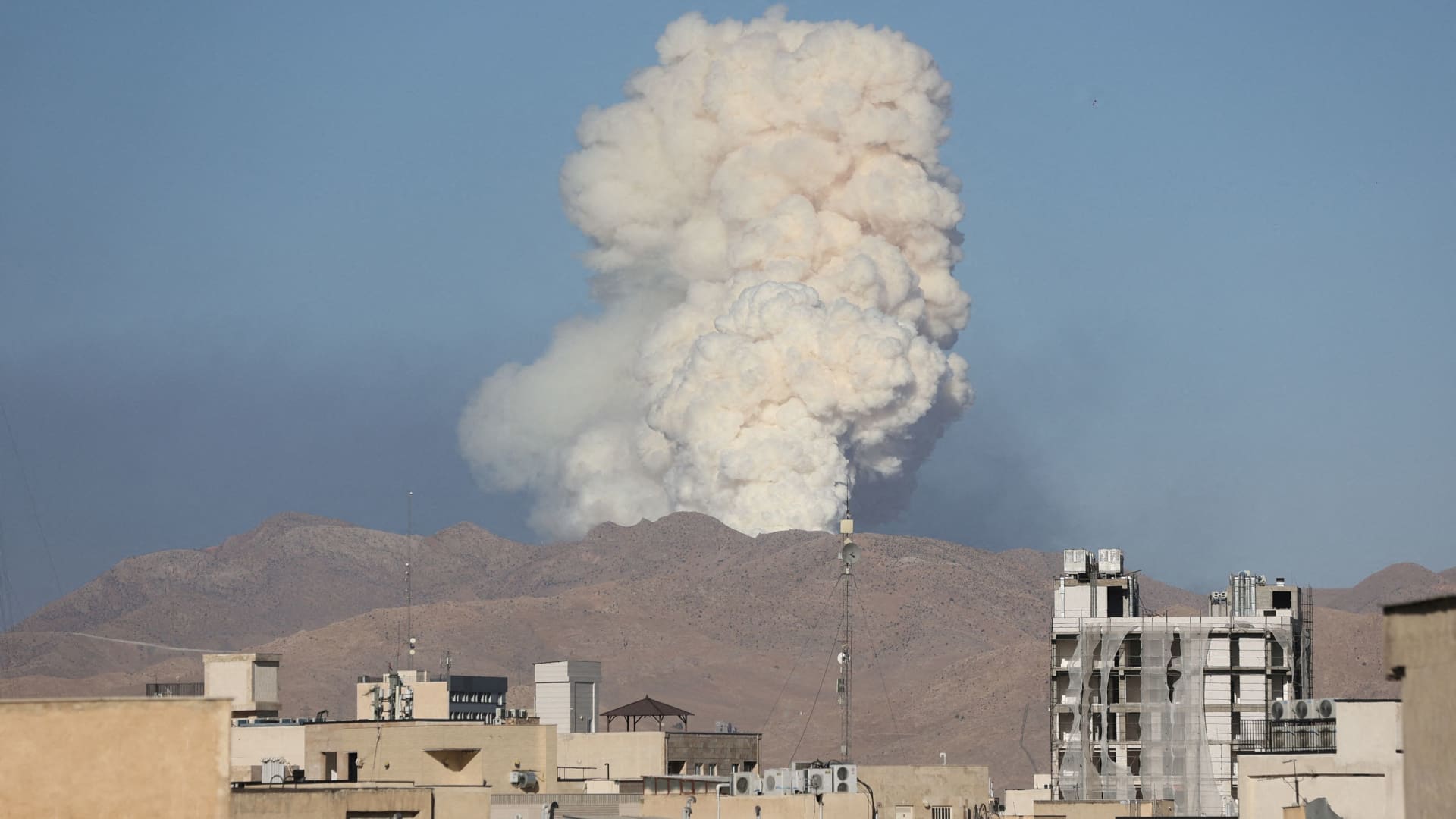
The recent escalation of tensions in the Middle East has profoundly impacted crude oil futures. Reports of intensifying military actions by Israel against strategic and government targets in Iran, including explosions near Tehran, immediately signaled heightened risk to global supply. These actions, reportedly in response to an Iranian missile strike on a major hospital, have pushed the rhetoric to extreme levels, with threats against Iranian leadership directly reported.
Crude oil futures immediately reflected this heightened risk, with U.S. crude climbing $1.36, or 1.81%, to $76.50 per barrel. The global benchmark Brent added $1.10, or 1.43%, to reach $77.80 per barrel. This surge contributed to an overall gain of more than 11% for crude prices over the preceding seven days, underscoring the market’s rapid repricing of geopolitical risk since Israel began its intensified operations against Iran’s nuclear and missile programs. The potential for a wider regional conflict, or even direct U.S. involvement as President Trump reportedly considers strikes on Iran’s nuclear program, introduces an unpredictable upside risk that cannot be ignored. As analysts at JPMorgan have warned, any significant destabilization, particularly regime change in a major OPEC producer like Iran, could lead to profoundly higher oil prices sustained over extended periods, with supply losses proving challenging to recover quickly.
Navigating Market Volatility: A Broader Price Context
However, investors must view these immediate surges within the broader market landscape. While geopolitical flare-ups can spark sharp rallies, it’s crucial to contextualize these movements against prevailing market sentiment and recent trends. As of today, April 15, 2026, the global benchmark Brent crude is trading around $93.22 per barrel. This marks a notable decrease of nearly 8.8% from its position at $102.22 just two weeks prior, on March 25.
This recent downtrend suggests that before the latest geopolitical premium was factored in, the market was grappling with other pressures, potentially related to demand concerns, rising inventories, or a general unwinding of previous supply fears. This dichotomy highlights the inherent challenge for investors: distinguishing between a short-term, sentiment-driven spike and a more fundamental shift in the supply-demand balance. Understanding this context is vital when investors ask for a base-case Brent price forecast for the next quarter or a consensus 2026 Brent outlook. Geopolitical events like the current Middle East tensions can rapidly inject an unpredictable upside risk into models that might otherwise project a more stable or even declining price environment based on demand indicators like Chinese refinery run rates or global inventory builds.
Upcoming Supply Signals and OPEC+’s Pivotal Role
Looking ahead, the next two weeks present several critical data points and events that will shape the oil market’s trajectory, especially in light of the current tensions. Investors should closely monitor the upcoming OPEC+ meetings. The Joint Ministerial Monitoring Committee (JMMC) convenes on April 18, followed by the full Ministerial Meeting on April 20. These gatherings are always pivotal, but their significance is amplified given the heightened geopolitical risk. The group’s decisions on production quotas, and any signals regarding their collective response to potential supply disruptions, will be scrutinized for their impact on global crude flows and price stability.
Beyond OPEC+, North American supply dynamics will be in focus with the Baker Hughes Rig Count reports scheduled for April 17 and April 24. These weekly indicators provide crucial insight into drilling activity and potential future production trends from shale plays. On the demand and inventory front, the API Weekly Crude Inventory (April 21, April 28) and the EIA Weekly Petroleum Status Report (April 22, April 29) will offer updated snapshots of U.S. crude stocks, refinery utilization, and product demand, providing vital clues about market balance. In a volatile geopolitical landscape, these regular fundamental updates serve as an important grounding mechanism, helping investors assess the underlying market health amidst the geopolitical noise.
Investor Focus: Geopolitical Risk and Price Outlook
Our proprietary reader intent data reveals that investors are keenly asking for a base-case Brent price forecast for the next quarter, and a consensus 2026 outlook. The recent surge due to Middle East tensions dramatically shifts the risk profile for these forecasts. While many models might have previously emphasized demand-side factors like the pace of economic recovery in Asia or the performance of Chinese teapot refineries, the current environment places supply disruption risk firmly at the forefront. The prospect of any disruption to Iran’s oil exports, even if currently under sanctions, or a broader regional conflict affecting other major producers, could push prices well beyond current levels.
Therefore, any robust price forecast must now incorporate a significant geopolitical risk premium. Investors need to consider “what if” scenarios: further military escalation, direct intervention by global powers, or the targeting of critical energy infrastructure. These developments could swiftly erase any bearish sentiment derived from inventory builds or demand concerns. While fundamental analysis provides the bedrock, the unpredictable nature of geopolitical flashpoints means that market participants must maintain agility and monitor political developments with the same rigor applied to economic indicators. The current market dynamics are a stark reminder that in oil and gas investing, understanding political risk is as crucial as understanding commodity cycles.