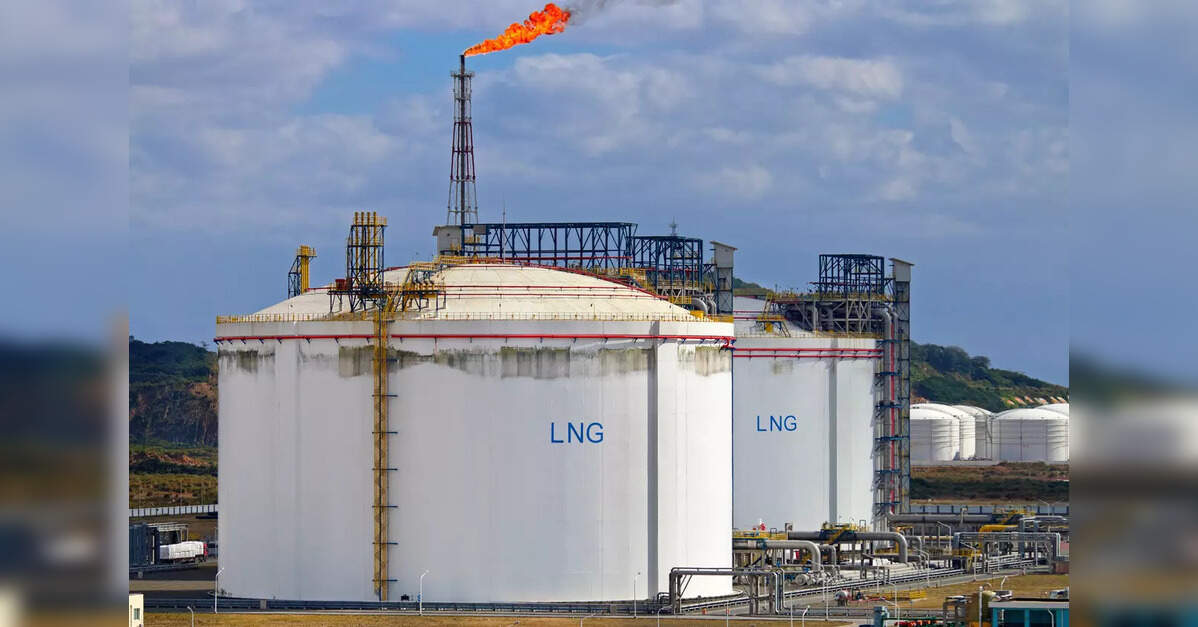
The global energy landscape continues its dynamic evolution, and the anticipated restart of the $20 billion Mozambique LNG project represents a significant inflection point for international energy players, particularly India’s state-run Oil India Ltd. After years of dormancy following security challenges, the project, operated by TotalEnergies, is now poised for a return to development by year-end 2025. This resurgence carries profound implications for stakeholders like Oil India, who hold a substantial 30% collective stake alongside ONGC Videsh and Bharat PetroResources, and for the broader narrative of securing long-term gas supplies amidst fluctuating market conditions and persistent geopolitical complexities. Our analysis delves into the strategic rationale, financial implications, and the critical market factors shaping the investment outlook for this pivotal African LNG venture.
Mozambique LNG: A Strategic Catalyst for Indian Energy Security
The Mozambique LNG project, one of Africa’s largest natural gas developments, has been a focal point for global energy investors since its construction halt and the declaration of force majeure in 2021 due to insurgent activity. Now, with improved security conditions reported, the project is on the cusp of revival. TotalEnergies’ CEO Patrick Pouyanne previously indicated a resumption “this summer,” while Oil India’s chairman Ranjit Rath has provided a more specific timeline, expecting development to restart in the second half of 2025. This alignment, moving towards a year-end restart, underscores a concerted effort by the consortium to capitalize on the project’s strategic value. For India, a nation with rapidly expanding energy demands, securing a stable supply of liquefied natural gas is paramount. The Mozambique project is explicitly positioned to meet this growing demand, offering a diversified supply source and bolstering the nation’s energy independence. With TotalEnergies holding 26.5% and Mitsui & Co. 20%, alongside Mozambique’s state-owned ENH with 15%, the Indian consortium’s 30% stake ensures significant participation in a venture critical for future energy security and a substantial revenue stream once operational.
Navigating Geopolitical Headwinds: Lessons from Russian Assets
Oil India’s recent financial performance provides a compelling case study in managing geopolitical risk while securing robust returns on international investments. Chairman Rath highlighted the exceptional dividend flow from the company’s minority stakes in Russian projects, specifically Vankorneft and Taas-Yuryakh. The company reported receiving $942 million in dividends, a figure that astonishingly represents over 91% of its original investment in these assets. Furthermore, full recovery of the initial investment is anticipated within the coming year. This remarkable resilience in repatriating capital, even amidst complex geopolitical shifts affecting Russia, offers crucial insights for investors evaluating the Mozambique project. It demonstrates Oil India’s proven capability to navigate challenging international environments and extract value, a vital consideration for a project that faced its own set of security-related disruptions. The successful management of these Russian assets could instill greater confidence in the company’s ability to steward its Mozambique investment through potential future challenges, reinforcing the long-term viability thesis.
Market Dynamics and the Future of LNG Investment
The broader energy market context provides a critical backdrop for the Mozambique LNG restart. As of April 17, 2026, Brent Crude trades at $98.15, marking a 1.25% decline today within a daily range of $97.92 to $98.67. This current price reflects a notable softening from recent highs, with Brent experiencing a 14-day trend from $112.57 on March 27, 2026, to $98.57 on April 16, 2026, a decline of over 12%. Simultaneously, WTI Crude stands at $89.8, down 1.5%. These price movements underscore the volatility inherent in crude markets, which, while distinct from natural gas, often influence broader investment sentiment in energy infrastructure. Looking forward, the next two weeks are packed with events that will shape market expectations. Investors are keenly watching the OPEC+ Joint Ministerial Monitoring Committee (JMMC) meeting today, April 17, and the full Ministerial Meeting tomorrow, April 18. These gatherings will provide crucial signals regarding production quotas and overall supply strategy, directly impacting global crude prices and indirectly influencing gas market stability. Further insights will come from the API and EIA Weekly Crude Inventory reports on April 21-22 and April 28-29, alongside the Baker Hughes Rig Count on April 24 and May 1, which will illuminate real-time supply and demand trends. These upcoming data points are vital for assessing the investment horizon for multi-decade projects like Mozambique LNG, where long-term price stability is paramount for financial returns.
Investor Scrutiny and the Path to Project Sanction
Our proprietary reader intent data reveals a heightened level of investor scrutiny concerning key market drivers and the fundamental models underpinning energy prices. Investors are actively querying about the current Brent crude price and the methodologies that power these responses, signaling a demand for transparent, real-time market intelligence. Furthermore, significant interest is directed towards understanding OPEC+ current production quotas, highlighting a focus on the supply-side dynamics that dictate global oil and gas availability. For a project like Mozambique LNG, this investor sentiment translates into a need for clear communication regarding financial projections, risk mitigation strategies, and the long-term demand outlook for gas, particularly from burgeoning markets like India. The anticipated restart by year-end 2025 hinges not only on improved security but also on a favorable investment climate and the consortium’s ability to demonstrate robust economics in a volatile energy market. As the consortium moves towards a final investment decision for restarting construction, the clarity provided on these fronts will be instrumental in attracting and retaining capital, ensuring the $20 billion project can deliver on its promise of sustained energy supply and shareholder value.


