Oil futures have experienced a dramatic downturn, with prices tumbling significantly as market participants increasingly bet on a de-escalation of tensions between the US and Iran. This sharp reversal has wiped out recent gains, signaling a collective sigh of relief among traders who had priced in a geopolitical risk premium. Our analysis suggests this shift is driven by a calibrated response from Tehran, mirroring past dynamics, coupled with a fundamental reassessment of global supply levels. For energy investors, understanding this interplay of geopolitics and market fundamentals is paramount.
The Steep Decline: De-escalation Trumps Risk Premium
The energy market witnessed a profound shift, with crude benchmarks experiencing their most significant daily fall in years. As of today, Brent crude trades at $90.38, marking a substantial 9.07% decline from its previous close, with intra-day trading ranging from $86.08 to $98.97. Similarly, WTI crude mirrored Brent’s plunge, falling 9.41% to $82.59, with its daily range between $78.97 and $90.34. Gasoline prices also saw a notable 5.18% decline to $2.93, underscoring the broad market sentiment. This recent plummet extends a broader bearish trend, with our 14-day trend analysis revealing Brent having shed over 18% in just the past two weeks, falling from $112.78 on March 30th to $91.87 by April 17th.
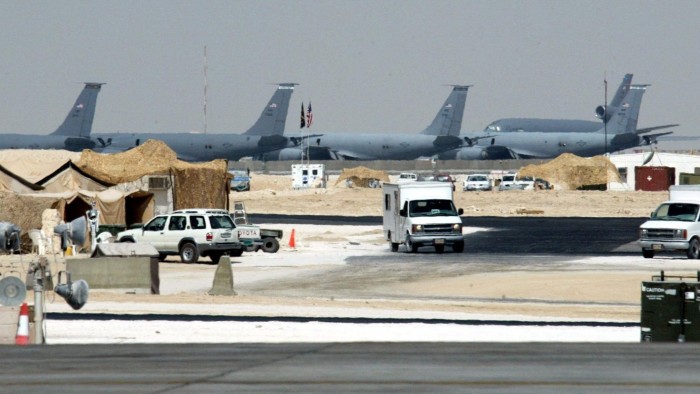
This dramatic unwinding of the geopolitical risk premium follows Iran’s recent missile barrage on a US base. While initially causing a brief surge above $80, the market quickly reversed course. The critical factor driving this turnaround appears to be the perception that Iran’s actions were a “telegraphed” and carefully calibrated response, rather than a precursor to a wider, more destructive conflict targeting crucial energy infrastructure like the Strait of Hormuz. This echoes events from January 2020, where similar signals were sent through back channels, leading to a rapid de-escalation of market fears. Traders are now actively trimming bets on a major disruption, preferring to price in a ‘bare minimum response’ from Tehran.
Geopolitical Calibration: A Familiar Playbook and Market Implications
The market’s rapid repricing reflects a growing consensus that Iran has no interest in an uncontrolled conflagration that would severely disrupt global oil flows. The early notice provided by Tehran regarding the missile attack, which reportedly ensured no lives were lost, reinforced the view that the action was symbolic rather than truly escalatory. This strategic signaling suggests that Iran is unlikely to “weaponize oil” as a primary retaliatory tool, a key concern for many investors. The market has now largely wiped out gains seen since mid-June, when initial strikes against Iranian facilities sparked fears of a broader conflict.
This analytical framework, which interprets Iran’s actions as a controlled response, profoundly impacts energy investment strategies. Investors who had positioned for higher prices due to an anticipated supply shock are now reversing those positions, contributing to the downward pressure. The perceived lack of intent to close critical shipping lanes or directly attack production facilities in the region has significantly reduced the ‘war premium’ that had built into crude prices over recent weeks.
Beyond Geopolitics: Supply Dynamics and Investor Focus
While geopolitical de-escalation is the primary catalyst for the recent price slide, underlying supply dynamics also play a crucial role. The market is currently well-supplied, a factor that amplifies the bearish sentiment when geopolitical risks subside. Our reader intent data indicates that investors are keenly focused on the fundamentals, with frequent inquiries such as ‘what do you predict the price of oil per barrel will be by end of 2026?’ and ‘What are OPEC+ current production quotas?’ These questions underscore the importance of global supply levels in shaping future price trajectories.
OPEC+ has repeatedly adjusted its output targets in recent months, largely in response to global demand fluctuations and market stability objectives. The current environment of plentiful supply means that even significant geopolitical headlines struggle to sustain a war premium if the actual threat to supply infrastructure is deemed low. This ample supply buffer, combined with the perceived geopolitical calm, creates a challenging environment for bullish oil price forecasts, pushing investors to scrutinize production quotas and inventory levels more closely than ever.
Navigating the Weeks Ahead: Key Dates for Oil Investors
For investors charting the course of crude prices, the upcoming calendar of events holds significant weight. Our proprietary event calendar highlights several critical dates in the coming fortnight that will provide further clarity on market direction. Investors are keenly awaiting the upcoming OPEC+ Joint Ministerial Monitoring Committee (JMMC) meeting on April 18th, followed by the Full Ministerial meeting on April 19th.
These OPEC+ gatherings are paramount, especially in light of the recent price depreciation and the ongoing debate surrounding global demand versus supply. Will the group maintain current production quotas, or will the recent price weakness prompt discussions about potential adjustments to stabilize the market? Any signals from these meetings regarding future output policy will undoubtedly influence crude prices. Furthermore, the market will closely watch the API Weekly Crude Inventory reports on April 21st and 28th, alongside the EIA Weekly Petroleum Status Reports on April 22nd and 29th. These inventory data points offer crucial insights into US supply and demand trends. Finally, the Baker Hughes Rig Count on April 24th and May 1st will provide an indication of future drilling activity and potential supply growth. These data points, combined with continued monitoring of geopolitical developments, will shape the immediate trajectory for oil and gas investments.