Norway’s 97% EV Sales: Oil Demand Erosion
Norway continues to serve as an extreme, yet compelling, case study for the global energy transition, especially concerning the future of oil demand. Recent data from July 2025 reveals an astonishing 97.2% market share for electric vehicles (EVs) among new car registrations, a new national record. This near-total dominance by emission-free vehicles in a developed, oil-producing nation offers invaluable insights for investors tracking long-term shifts in petroleum consumption. While Norway’s unique policy landscape accelerates this trend, its trajectory provides a stark illustration of potential demand erosion and signals a future where internal combustion engines become a niche market. For oil and gas investors, understanding these micro-trends, alongside broader market dynamics, is crucial for navigating an increasingly complex energy landscape.
The Norwegian Anomaly: A Glimpse into Peak Oil Demand?
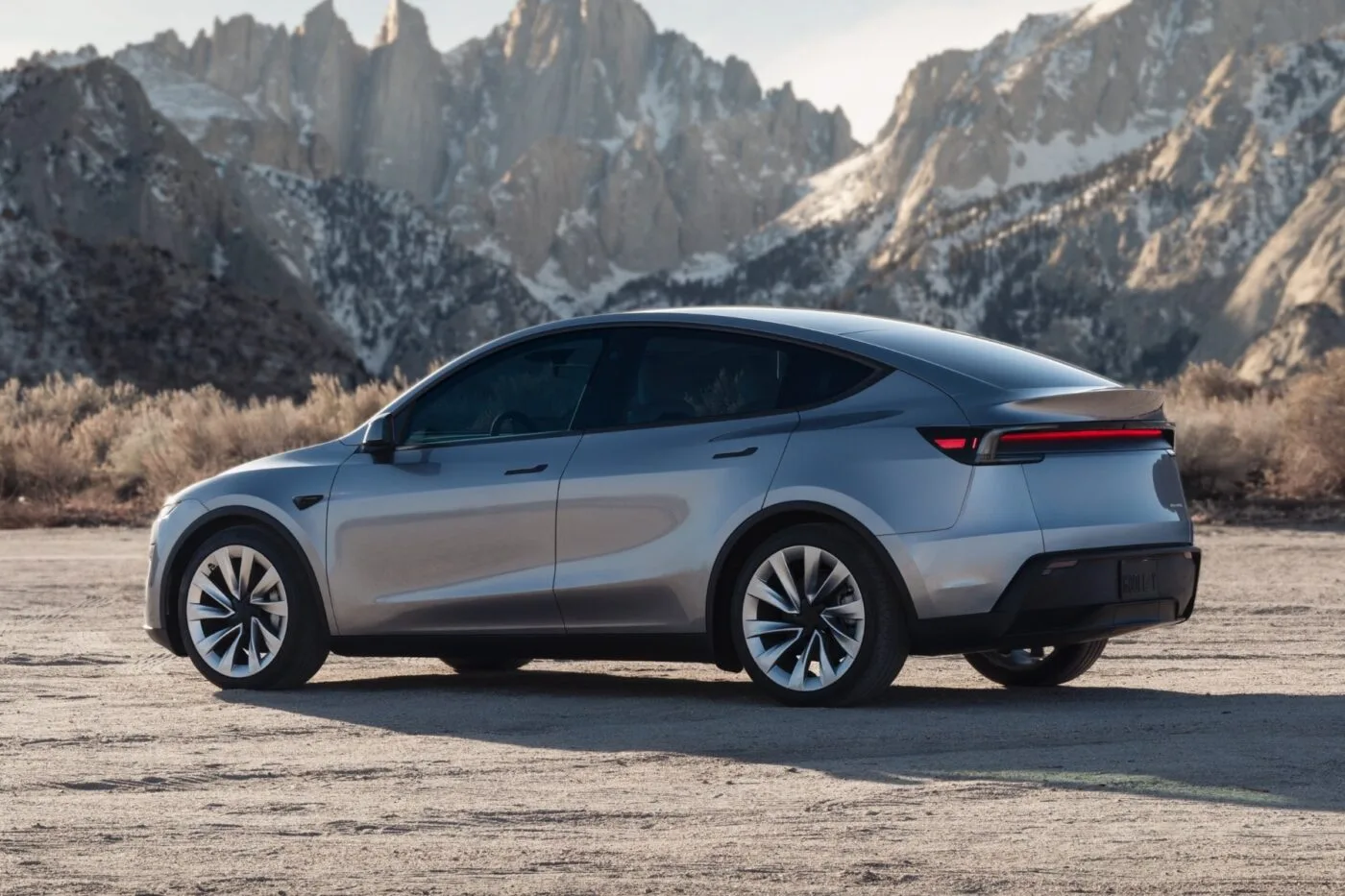
The latest figures from Norway are nothing short of remarkable. In July 2025, 9,291 electric cars were newly registered, out of a total of 9,563 new vehicles, pushing the EV market share to an unprecedented 97.2%. This builds on a strong year-to-date performance, with EVs accounting for 94.1% of new registrations from January to July 2025, a significant leap from 85.6% in the same period of 2024. The implications for fuel consumption are clear: only 272 non-EVs were registered in July, comprising a mere 101 plug-in hybrids, 60 full hybrids, 86 diesel cars, and 25 pure petrol cars. This translates to traditional petrol cars holding just 0.3% of the market share, and diesels 0.9% for the month. Such figures underscore a near-complete transition away from fossil fuels in the personal transport sector within Norway, largely driven by aggressive incentives and robust charging infrastructure. Even though July is traditionally a quieter month for registrations, the overall market saw a 48% increase year-on-year, largely propelled by these EV sales and manufacturer discount campaigns, indicating strong underlying momentum for electrification rather than a mere statistical anomaly.
Market Realities: Crude Prices and Demand Headwinds
While Norway provides a potent long-term signal, the broader oil market continues to grapple with immediate supply-demand dynamics and geopolitical influences. As of today, Brent crude trades at $99.6 per barrel, marking a significant 4.92% jump within the day’s range of $94.42-$99.73. WTI crude also saw an uplift, reaching $91.52, up 3.85% from its daily low of $87.32. This daily surge, however, comes on the heels of a notable decline, with Brent having fallen from $108.01 on March 26th to $94.58 by April 15th, a 12.4% drop over two weeks. This volatility highlights the sensitivity of the market to immediate catalysts, even as longer-term demand erosion trends, exemplified by Norway, gather pace. Gasoline prices concurrently registered at $3.08 per gallon, up 2.66% today. While Norway’s direct impact on global demand is limited given its size, its rapid shift serves as a potent reminder of the potential for demand destruction in the transportation sector. Investors must weigh these immediate price fluctuations against the accelerating pace of electrification in key markets, understanding that each new EV registered, whether in Oslo or elsewhere, chip away at future gasoline and diesel demand.
Investor Focus: Deciphering Long-Term Demand Signals
Our proprietary reader intent data reveals a strong focus this week on building a base-case Brent price forecast for the next quarter and understanding the consensus 2026 Brent outlook. This direct investor interest underscores the ongoing challenge of projecting oil prices amidst conflicting signals. The Norwegian experience, while unique in its intensity, offers a critical data point for these long-term forecasts. When 97.2% of new car sales are electric, it provides a tangible, real-world example of how quickly liquid fuel demand for road transport can diminish under favorable policy conditions. While investors are also keenly tracking more immediate demand indicators, such as “how Chinese tea-pot refineries are running this quarter” and “Asian LNG spot prices this week,” the long-term structural shift demonstrated by Norway cannot be ignored. It suggests that while global oil demand may not peak immediately, the pressure points are building. For companies heavily exposed to refined products, especially gasoline and diesel, the Norwegian case serves as a strategic warning for portfolio re-evaluation and adaptation. The question is not if other markets will follow, but when, and at what speed.
Navigating the Future: Upcoming Events and Policy Shifts
The interplay between demand erosion signals and immediate supply-side management will be a dominant theme for oil and gas investors in the coming weeks. Investors will keenly watch upcoming events such as the Baker Hughes Rig Count on April 17th and 24th, which provides insights into North American production trends. More critically, the OPEC+ Joint Ministerial Monitoring Committee (JMMC) meeting on April 18th and the full OPEC+ Ministerial Meeting on April 20th will dictate the near-term supply strategy from major producers. These decisions will profoundly influence crude price stability and supply balances. Against this backdrop, the structural demand changes observed in Norway add a layer of complexity for OPEC+. If more countries begin to mirror even a fraction of Norway’s electrification pace, the long-term effectiveness of supply cuts as a price support mechanism will diminish. Furthermore, weekly data releases like the API Weekly Crude Inventory on April 21st and 28th, followed by the EIA Weekly Petroleum Status Report on April 22nd and 29th, will provide crucial real-time snapshots of U.S. demand and inventory levels, offering immediate confirmation or contradiction to broader market sentiment. These events, viewed through the lens of Norway’s aggressive EV adoption, highlight the necessity for investors to maintain a flexible and forward-looking perspective on global oil demand.