Nissan UK EV Truck Hub: Pressure on Oil Demand
While seemingly a localized initiative, Nissan’s recent unveiling of a dedicated EV charging hub for heavy goods vehicles in Sunderland, UK, offers a potent glimpse into the accelerating electrification of the logistics sector. For oil and gas investors, this isn’t just a feel-good story about green initiatives; it’s a tangible data point in the ongoing narrative of long-term oil demand erosion, particularly within the diesel-heavy freight segment. We delve into how such developments, supported by government policy and industry collaboration, are creating a slow but inexorable pressure on crude markets, even amidst today’s volatile price action.
The Microcosm of Macro Shift: Nissan’s Charge Towards Electrified Logistics
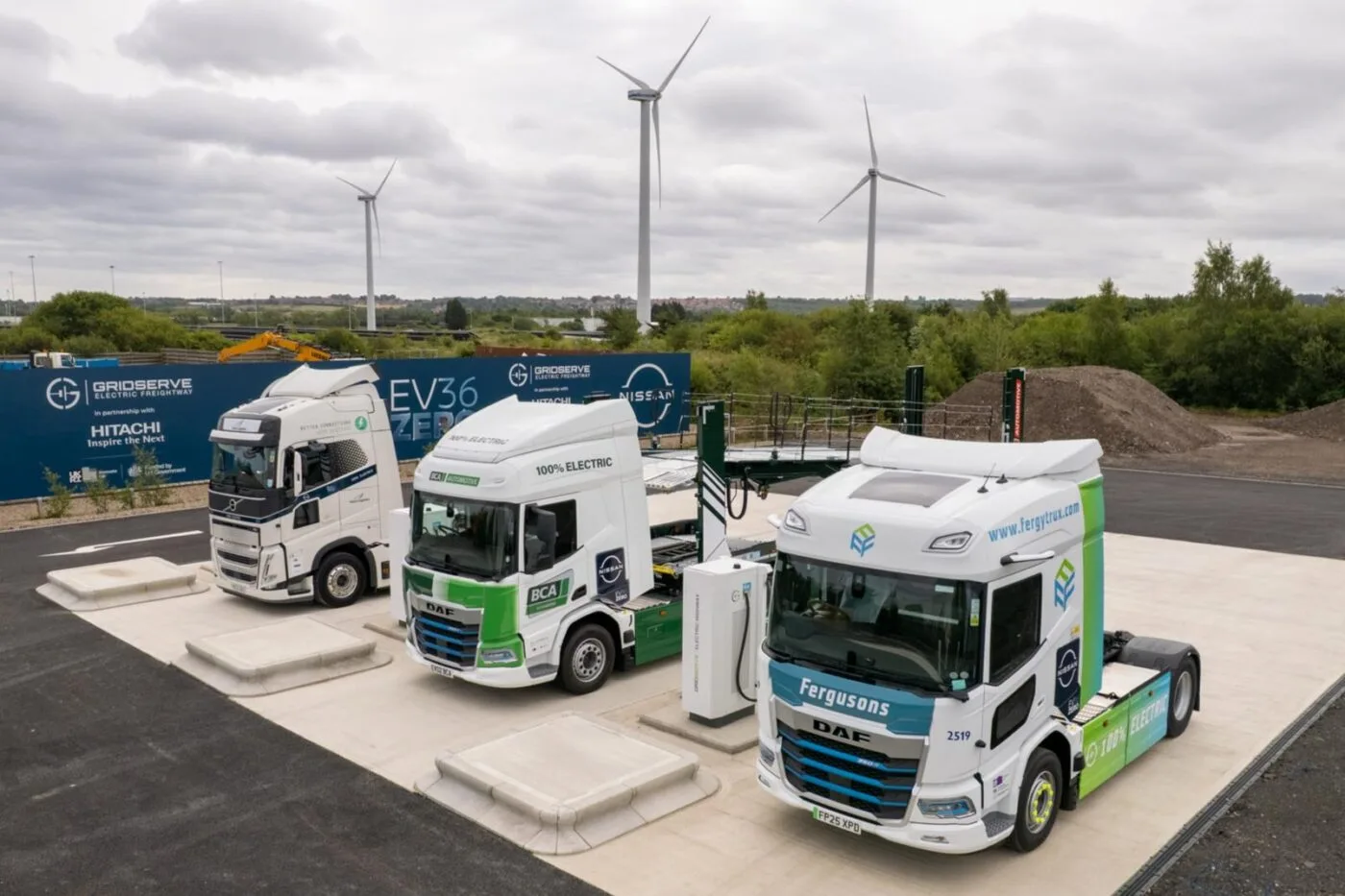
Nissan’s new £1.4 million charging station represents a significant, albeit contained, step towards decarbonizing their supply chain. Located at their Sunderland plant, this facility is notable as the UK’s first onsite private shared charging station of its kind. It boasts seven charging stations with the capacity to charge up to 10 electric heavy goods vehicles (eHGVs) simultaneously and delivers charging capacities up to 360kW. Crucially, this hub will support a fleet of 25 Nissan trucks, facilitating approximately 60 daily deliveries for parts collection across the UK and finished vehicle transport to and from the Tyne port. This direct displacement of diesel consumption for essential logistics operations, though initially modest, sets a precedent. The project, delivered in partnership with haulage firms like Fergusons, Yusen, and BCA, under the Electric Freightway consortium and led by Gridserve, signifies a collaborative industry effort. Nissan’s stated intent to explore opportunities for other hauliers to utilize the station underscores a vision for broader impact, transforming what could be a single corporate initiative into a catalyst for wider regional electrification in freight.
Crude Volatility Meets a Structural Headwind: What Today’s Market Tells Us
The backdrop against which these electrification efforts unfold is a dynamic and often unpredictable crude oil market. As of today, Brent crude trades at $99.62 per barrel, marking a significant 4.94% increase and climbing towards the upper end of its daily range of $94.42-$99.65. WTI crude also saw strong gains, reaching $91.18, up 3.46%, with gasoline prices similarly ticking up to $3.08. This daily resurgence comes after a notable period of downward pressure; over the past two weeks, Brent has shed approximately 12.4%, tumbling from $108.01 on March 26th to $94.58 on April 15th. Many investors are currently asking for a base-case Brent price forecast for the next quarter and a consensus 2026 Brent forecast. While short-term geopolitical events and immediate supply-side dynamics often dictate these day-to-day price swings, these long-term structural shifts, exemplified by Nissan’s investment, are critical for anchoring those forecasts. The volatility itself might reflect market participants grappling with these conflicting signals: immediate supply concerns versus the undeniable, albeit gradual, erosion of demand in key sectors like road freight. This consistent chipping away at demand, particularly for distillates like diesel, creates a persistent headwind against sustained high oil prices, irrespective of short-term supply shocks.
Policy Tailwinds & Upcoming Decisions: Shaping the Demand Outlook
The momentum behind freight electrification is not solely driven by corporate ambition; it is significantly bolstered by robust government policy. The Nissan hub is part of the broader Electric Freightway project, which itself is funded through the UK government’s Zero Emission HGV and Infrastructure Demonstrator programme – a £200 million initiative in partnership with Innovate UK. Such public sector commitment de-risks investment for logistics firms and incentivizes the accelerated adoption of eHGVs. This policy-driven push will undoubtedly factor into the strategic decisions of major oil producers. With the OPEC+ Joint Ministerial Monitoring Committee (JMMC) meeting scheduled for April 18th, followed by the Full Ministerial meeting on April 20th, producers will be closely watching global demand signals. While a single charging hub won’t sway OPEC+ decisions directly, the cumulative effect of such initiatives globally will increasingly factor into their long-term outlooks and production strategies. Furthermore, weekly inventory reports from API on April 21st and 28th, and EIA on April 22nd and 29th, will provide crucial snapshots of current supply-demand balances. Should sustained EV adoption in freight begin to meaningfully curb diesel consumption, these reports could eventually reflect reduced draws or even builds in distillate inventories, signaling a deeper structural shift that could influence future OPEC+ output decisions.
Investment Horizons: Navigating the Electrified Freight Future
For oil and gas investors, developments like the Nissan EV charging hub are not just environmental news; they are fundamental shifts impacting long-term asset valuations and investment strategies. The heavy-duty transport sector has historically been a bedrock of diesel demand, and its electrification poses specific questions for refining margins and the utilization of downstream assets. Investors need to assess the exposure of their portfolios to refined products segments that are most vulnerable to this transition. Companies heavily invested in traditional fossil fuel infrastructure, particularly those with significant refining capacity for distillates, may face increasing headwinds. Conversely, this trend creates significant opportunities in the burgeoning energy transition space. Investment in EV charging infrastructure, advanced battery technology, and renewable energy generation to power these hubs represents a growth frontier. Oil and gas majors are increasingly diversifying into these new energy sectors, a strategic imperative underscored by initiatives like Nissan’s. Navigating this evolving landscape requires a nuanced understanding of both short-term market dynamics and the powerful, policy-backed structural shifts that are redefining the future of energy demand.