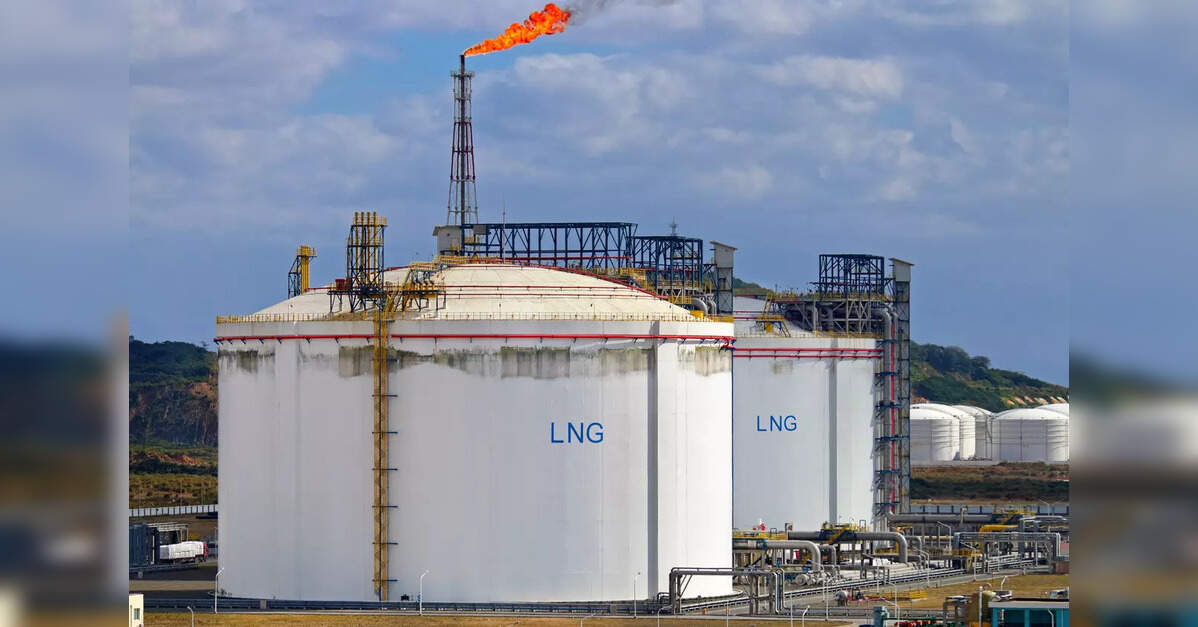
The global energy landscape is once again shifting under the weight of escalating geopolitical tensions. In a significant policy pivot, the United States has introduced new sanctions targeting Russia’s two largest oil companies, Lukoil and Rosneft, over the ongoing conflict in Ukraine. This move, coupled with the European Union’s 19th package of sanctions which includes a ban on Russian liquefied natural gas (LNG) imports, marks a decisive escalation in economic pressure on Moscow. For energy investors, understanding the immediate market reactions and the long-term implications of these measures is paramount, as they reshape supply chains, influence price dynamics, and introduce new layers of risk and opportunity across the sector.
The Expanding Scope of Sanctions on Russian Energy
The latest round of punitive measures represents a notable shift in strategy, particularly from the US. The Treasury Department explicitly stated its intent to constrain the Kremlin’s war funding by targeting Lukoil and Rosneft, two pillars of Russia’s oil economy. This action follows similar steps taken by Britain last week against the same entities, signaling a more unified front among Western allies. Simultaneously, the EU’s comprehensive 19th sanctions package specifically addresses Russian LNG imports, a critical revenue stream that had largely remained untouched by previous restrictions. While these sanctions aim to cripple Russia’s ability to fund its military actions, their implementation will undoubtedly send ripples through global energy markets, potentially tightening supply in certain segments and forcing further reorientation of trade flows. It’s crucial for investors to note the Treasury’s readiness for further action, indicating that this might not be the final word in the economic pressure campaign.
Market Dynamics Post-Sanction Announcement
The introduction of fresh sanctions often injects volatility into commodity markets, and the energy sector is no exception. While initial reports indicated a jump in crude prices following the US announcement, the broader market has since adjusted, reflecting a complex interplay of geopolitical risk and underlying supply-demand fundamentals. As of today, Brent crude trades at $93.93 per barrel, registering a 1.62% decline within the day’s range of $93.87 to $95.69. Similarly, WTI crude stands at $85.76, down 1.9% from its opening, having traded between $85.50 and $86.78. Gasoline prices have also seen a modest dip, currently at $3.01, down 0.99%. This current downward pressure comes after a more significant trend; Brent crude experienced a substantial drop of nearly 20% over the past two weeks, falling from $118.35 on March 31st to $94.86 just yesterday. This broader trend suggests that while sanctions add a layer of uncertainty, the market is also grappling with other factors, such as global demand concerns, existing inventory levels, and the ongoing assessment of how effectively these new restrictions will curtail Russian exports in the near term. Investors should recognize that initial reactions can be fleeting, and sustained price movements depend on concrete impacts on supply and demand balances.
Addressing Investor Concerns: Price Trajectories and Portfolio Strategy
Our proprietary reader intent data highlights a clear focus among investors on future price movements and the long-term outlook for the sector. Questions such as “is WTI going up or down” and “what do you predict the price of oil per barrel will be by end of 2026” underscore the desire for clarity in a volatile environment. These new sanctions complicate an already intricate forecast. While the immediate goal is to restrict Russia’s energy revenues, the practical effect on global supply will depend on enforcement and Russia’s ability to reroute its exports. The $60 price cap imposed by Western countries after the 2022 invasion already led to a significant shift in Russian oil customers from Europe to Asia, a trend that may intensify. For integrated energy companies, particularly those with global operations, the sanctions introduce new compliance risks and potential disruptions to supply chains. Furthermore, the discussion around the dominance of the US dollar in global transactions, and Russia’s continued push for payments in alternative currencies, points to a potential long-term shift in the financial architecture of energy trade. Investors should strategically assess companies’ exposure to Russian assets, their ability to adapt to shifting trade patterns, and their resilience against potential currency fluctuations as these geopolitical factors continue to evolve.
Navigating Future Volatility: Key Calendar Events on the Horizon
Looking ahead, several critical events on the OilMarketCap calendar will be instrumental in shaping market sentiment and clarifying the true impact of these sanctions. Tomorrow, April 21st, the OPEC+ Joint Ministerial Monitoring Committee (JMMC) Meeting will convene. This gathering will be particularly significant as members assess global supply and demand dynamics in light of the new geopolitical realities. Will OPEC+ adjust its production quotas to stabilize prices or respond to perceived supply tightness? Following this, the EIA Weekly Petroleum Status Reports on April 22nd and April 29th will provide crucial insights into US crude oil inventories, refining activity, and product demand, offering an early indication of how global supply shifts might be affecting the world’s largest consumer. The Baker Hughes Rig Count, scheduled for April 24th and May 1st, will give investors a pulse on North American drilling activity, revealing whether producers are ramping up in anticipation of higher prices or demand. Finally, the EIA Short-Term Energy Outlook on May 2nd will offer official forecasts that will undoubtedly integrate the latest geopolitical developments and provide a forward-looking perspective on supply, demand, and price expectations for the coming months. Monitoring these events closely will be essential for investors aiming to anticipate market movements and adjust their portfolios strategically.
Strategic Considerations for Energy Portfolios
The latest sanctions against Russian oil and LNG exports underscore the persistent influence of geopolitics on energy markets. While the immediate market reaction has shown a dip in crude prices, the long-term implications point to increased supply uncertainty, potential for further trade reconfigurations, and heightened compliance risks for international energy firms. Investors must remain vigilant, focusing on companies with diversified asset bases, robust risk management frameworks, and agility in adapting to evolving regulatory landscapes. The ongoing shifts in global trade flows, the debate over currency dominance, and the strategic responses from major producers like OPEC+ will all play critical roles in defining the energy investment narrative through 2026 and beyond. A well-researched, resilient energy portfolio, capable of navigating both short-term volatility and long-term structural changes, will be key to success in this dynamic environment.


