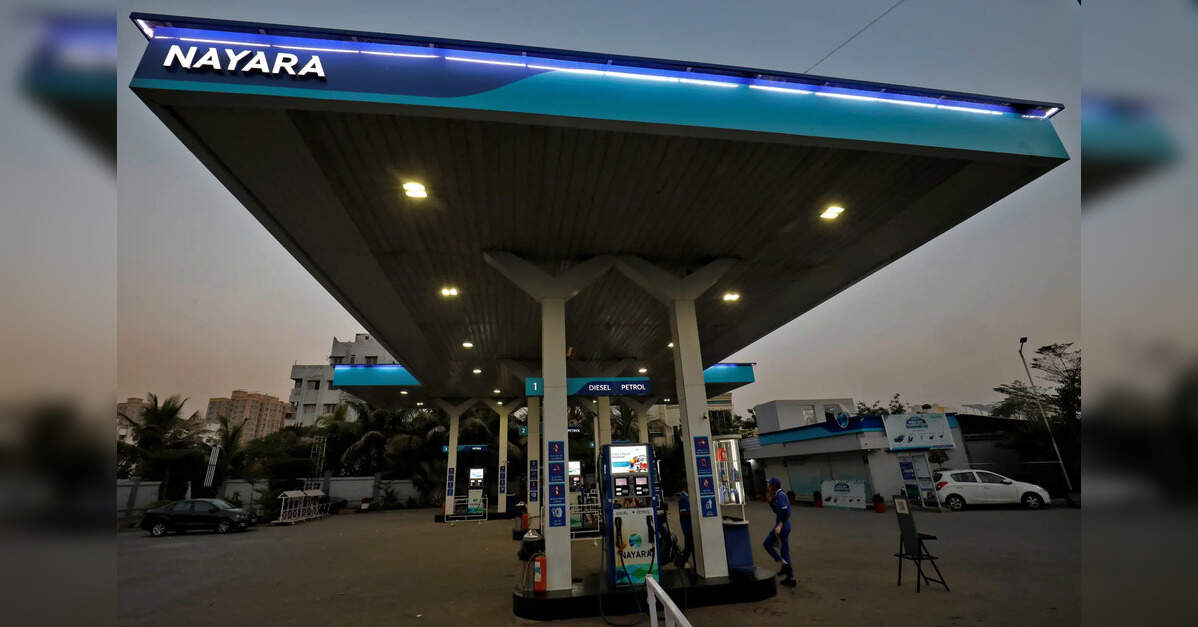
The intricate dance between geopolitical pressures and global energy markets has taken another significant turn, with a recent development offering a crucial lifeline to a key player in the Indian refining sector. Nayara Energy, a substantial Indian refiner with significant Russian ownership, has secured government approval for UCO Bank to facilitate its trade payments. This move comes nearly two months after the refiner faced severe financial isolation following EU sanctions in July, forcing it to navigate a complex landscape of operational disruptions, including reduced run rates and diverted shipments. For oil and gas investors, this development is not merely a regional news item; it signals a critical strategic response to sanctions, impacting supply chain resilience, global crude flows, and the broader narrative of energy security in a fragmented world. Understanding the implications requires a deep dive into the operational mechanics, the broader market context, and the forward-looking strategic considerations for the sector.
Navigating Sanctions: A Lifeline for Indian Refining Capacity
The approval for UCO Bank to manage Nayara Energy’s trade payments represents a decisive intervention by the Indian government to safeguard a vital piece of its energy infrastructure. Nayara Energy, which is just under 50% owned by Russian oil major Rosneft PJSC, found itself in an untenable position after Western sanctions led major financial institutions, including India’s largest state-run lender, to cease processing its transactions. This financial estrangement had immediate and severe consequences: Nayara was compelled to seek advance payments or letters of credit even before fuel shipments were loaded, and its operational run rates were cut back, while vessels began diverting away from its terminals. Given that Nayara accounts for nearly 8% of India’s refining capacity and 7% of its retail fuel network, the potential for prolonged disruption posed a serious threat to domestic energy supply and stability. The government’s decision to task a mid-sized state-owned lender like UCO Bank, known for its past involvement in facilitating oil trades with Iran, underscores a pragmatic approach to circumventing international financial blockades. While operational details, including the choice of currency, are still being finalized, this strategic move ensures that a significant portion of India’s refining capabilities remains operational, mitigating immediate supply chain risks within the subcontinent.
Market Response and Investor Sentiment Amidst Price Volatility
The broader oil market is currently navigating a period of heightened volatility, a backdrop against which developments like the Nayara payment resolution gain added significance. As of today, Brent crude trades at $98.36 per barrel, showing a modest decline of 1.04% within a daily range of $97.92 to $98.67. WTI crude follows a similar trajectory, priced at $89.96, down 1.33%. This recent market softness comes after a more pronounced downturn, with Brent having shed approximately $14, or 12.4%, over the past 14 days, falling from $112.57 on March 27 to $98.57 on April 16. This price environment naturally leads investors to ask about underlying market fundamentals, with common questions surfacing about “current Brent crude prices” and the factors driving them. The resolution of Nayara’s payment challenges, while not a direct market mover on a global scale, prevents a potential downside risk for Indian refined product supply, which could otherwise have created regional demand surges or put upward pressure on prices for alternative supplies. In a market where stability is increasingly prized, the removal of this particular operational hurdle for a significant refiner contributes to a fragile sense of equilibrium, influencing the overall demand picture that global price models track and report.
Forward Outlook: OPEC+ Dynamics and Strategic Energy Flows
Looking ahead, the implications of the Nayara Energy payment solution resonate within the context of upcoming pivotal events in the global energy calendar. Investors are keenly focused on the upcoming OPEC+ meetings, with the Joint Ministerial Monitoring Committee (JMMC) scheduled for April 18, followed by the Full Ministerial Meeting on April 20. A prominent question from our investor base revolves around “OPEC+ current production quotas” and how these decisions will shape the global supply landscape. While the Nayara situation is a specific regional solution to sanctions, it fits into the broader narrative of global energy security and supply chain resilience that OPEC+ nations closely monitor. The stabilization of Nayara’s operations means that a significant consumer of crude and producer of refined products in India can continue its activities with less friction, ensuring consistent demand for crude imports—likely from sources unaffected by Western sanctions—and stable output of fuels. This reduces the likelihood of demand shocks or unexpected calls on alternative refined product supplies, thereby providing a clearer picture for OPEC+ as they assess the global supply-demand balance and consider potential adjustments to their output strategies. The ability of a major refining nation like India to insulate its key assets from geopolitical headwinds through bespoke financial arrangements will undoubtedly be a subtle but important data point in the global energy equation.
Investor Implications: De-risking Exposure and Identifying Opportunities
For investors navigating the complexities of the oil and gas sector, the Nayara Energy development offers several key takeaways. Firstly, it underscores the persistent efforts of nations to secure their energy supplies and refine capabilities, even in the face of stringent international sanctions. This creates a fascinating dynamic where geopolitical risks are actively mitigated through strategic financial and logistical workarounds, highlighting the resilience and adaptability of the global energy trade. Secondly, it signals the potential for similar localized solutions in other regions facing analogous challenges, suggesting that the impact of sanctions on energy flows might be more fragmented and less absolute than often perceived. Investors should therefore scrutinize the specific vulnerabilities and strategic importance of assets within their portfolios, particularly those with exposure to geopolitically sensitive regions or complex ownership structures. The fact that Nayara also sought government assistance in securing local vessels after domestic shipowners ceased operations illustrates the multifaceted nature of these challenges and the comprehensive solutions required. This event reinforces the need for a nuanced understanding of energy policy, national security priorities, and the intricate web of financial and logistical networks that underpin the global oil and gas industry, prompting a deeper look at the operational fortitude of companies in volatile environments.


