Geopolitical Tectonic Plates Shift, Realigning Oil Market Dynamics
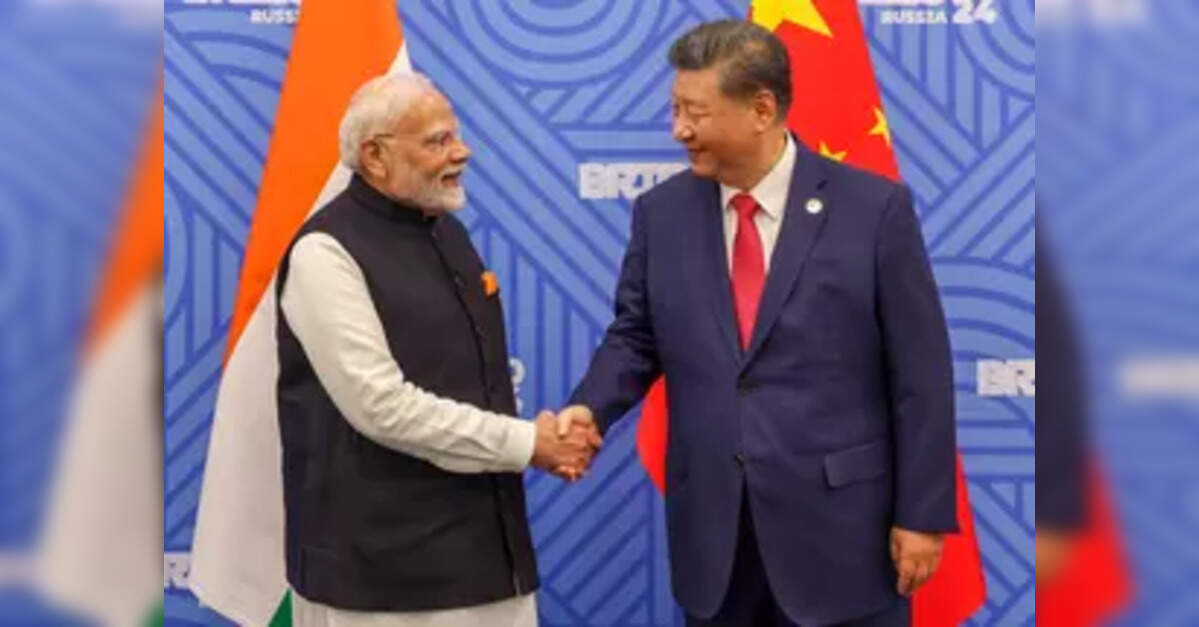
The upcoming bilateral meetings between Indian Prime Minister Narendra Modi and Chinese President Xi Jinping on the sidelines of the SCO summit in Tianjin represent a pivotal moment for global geopolitics, with direct and profound implications for the international oil market. As both economic giants seek to strengthen ties amidst escalating global trade tensions, particularly those sparked by US President Donald Trump’s protectionist policies, the potential for a significant realignment of alliances could reshape demand patterns, trade flows, and investment strategies in the energy sector. This summit, marking Modi’s first visit to China in seven years, is not merely a diplomatic exchange; it is a strategic repositioning that demands close attention from every serious oil and gas investor.
The context for these high-stakes discussions is crucial. With the US imposing 50 percent tariffs on Indian exports, and China already facing the brunt of similar American trade measures, both nations find common ground in navigating a more protectionist global economic landscape. Experts suggest that the outcome of these meetings will set the tone for future bilateral relations, which now appear poised for a significant upswing. Given that India and China collectively represent an enormous share of global energy consumption, any shift in their economic cooperation or strategic alignment will inevitably send ripples through the crude oil market, affecting everything from price stability to long-term demand forecasts.
Current Market Volatility Underlines Geopolitical Sensitivity
The global oil market is already exhibiting heightened sensitivity to geopolitical developments, a trend that the Modi-Xi talks are likely to amplify. As of today, Brent crude trades at $98.38 per barrel, marking a 1.02% decline within the day, with a range between $98.11 and $98.38. Similarly, WTI crude sits at $89.96, down 1.33%, oscillating between $89.57 and $90.09. This intraday volatility is symptomatic of a market grappling with uncertainty. Looking at a broader timeframe, our proprietary data reveals a more significant shift: Brent crude has experienced a substantial decline of 12.4% over the past two weeks, falling from $108.01 on March 26th to $94.58 just yesterday, April 15th, before its current modest recovery. This sharp downward trend, despite ongoing supply concerns, underscores how quickly market sentiment can turn, often influenced by the evolving geopolitical narratives and the potential for demand destruction or rerouting.
The prospect of a stronger India-China economic axis, potentially leading to increased intra-Asian trade and infrastructure development, could provide a counter-narrative to the prevailing demand concerns, offering a crucial demand floor. Conversely, if these talks fail to yield concrete outcomes, the persistent global trade tensions could continue to weigh heavily on economic growth projections and, by extension, on crude oil prices. Investors must therefore recognize that the price action we observe daily is not just about supply-side fundamentals, but increasingly about the intricate dance of international diplomacy and trade policy.
Investor Focus: Decoding Future Demand and Production Quotas
Our proprietary reader intent data this week clearly indicates that investors are keenly focused on understanding future market fundamentals, with a strong emphasis on “OPEC+ current production quotas” and the underlying models that power our market data. This focus is entirely appropriate, as any significant geopolitical realignment between major energy consumers like India and China will directly impact global demand forecasts, which in turn inform OPEC+’s strategic decisions.
The recent “early harvest” discussions between India’s NSA Ajit Doval and his counterpart Wang Yi on the boundary issue, a rare occurrence in the historically fraught relationship, signal a genuine commitment to normalizing ties. This normalization, if it translates into deeper economic integration and trade, could lead to a sustained uplift in energy demand from these two populous nations. Investors are right to question how OPEC+ will respond to such a demand evolution. Will a more unified Sino-Indian economic bloc necessitate an adjustment in supply strategies? The answers will not be immediate, but the groundwork for these future demand shifts is being laid now. Understanding the potential for a combined India-China economic strategy to influence global consumption is critical for accurately projecting future crude oil requirements and, consequently, OPEC+ output policy.
Upcoming Events: A Catalyst for Strategic Repercussions
The strategic implications of the Modi-Xi meetings will directly intersect with a packed calendar of upcoming energy events, making the next few weeks particularly crucial for oil investors. The two planned bilateral meetings between Modi and Xi, potentially yielding a “broader roadmap for enhanced ties,” will be closely scrutinized for any signals regarding joint economic ventures, trade agreements, or infrastructure projects. Such developments could significantly alter long-term energy demand profiles for two of the world’s largest consumers.
These geopolitical shifts will provide a critical backdrop to the upcoming OPEC+ meetings: the Joint Ministerial Monitoring Committee (JMMC) on April 18th, followed by the Full Ministerial meeting on April 20th. Any indication of stronger India-China economic momentum will feed into OPEC+’s demand forecasts, potentially influencing their production quota decisions. A sustained increase in demand from Asia, driven by renewed cooperation, could support a more bullish outlook for crude prices. Furthermore, the weekly API and EIA crude inventory reports on April 21st, 22nd, 28th, and 29th will offer near-term data points reflecting market adjustments to these larger geopolitical realignments and overall economic activity. Investors should also consider the broader regional dynamics, including the US’s warming relations with Pakistan after Operation Sindoor, which adds another layer of complexity to regional stability and potential energy transit routes, factors that OPEC+ members also monitor as they assess the global supply-demand balance. The confluence of these diplomatic and economic events with the critical OPEC+ deliberations underscores the need for a holistic analytical approach to navigate the evolving oil market landscape.


