India’s Enduring Energy Alignment with Russia: A Strategic Imperative for Global Markets
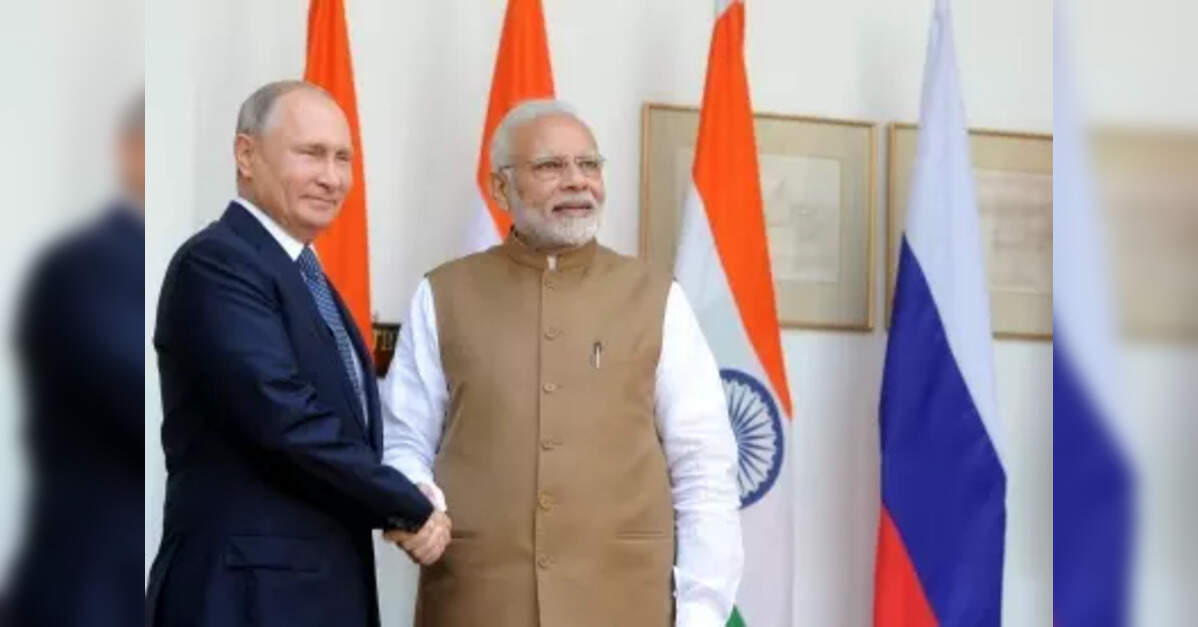
India’s resolute commitment to its energy partnership with Russia, reaffirmed by Prime Minister Narendra Modi during recent bilateral discussions with President Vladimir Putin, presents a multifaceted dynamic for global oil markets and energy investors. This relationship, characterized by a “special and privileged strategic partnership,” continues to anchor a significant portion of Russia’s crude exports, even as Western sanctions intensify and the United States imposes additional tariffs on Indian trade. For investors, understanding this steadfast alliance is crucial for accurately assessing supply chain resilience, geopolitical risk premiums, and the evolving landscape of global energy flows.
Navigating Trade Sanctions and Discounted Crude Dynamics
The geopolitical backdrop to India’s energy strategy is complex. Despite the US imposing a 25% tariff on Indian purchases of Russian oil and an additional 50% tariff on Indian goods bound for the US—the highest in Asia—New Delhi has consistently defended its deep-seated ties with Moscow. India’s rationale is rooted in both economic pragmatism and long-standing strategic alignment, dating back to the Cold War era. India has emerged as the single largest buyer of Russian crude displaced by Western sanctions, a move that has allowed Indian refiners to benefit from significantly discounted crude prices. In the fiscal year 2024-25, Russia accounted for a substantial 36% of India’s total oil imports, translating to approximately 1.8 million barrels per day (mbpd) out of its 5.4 mbpd import needs. This contrasts sharply with other key suppliers like Iraq (20%), Saudi Arabia (14%), and the UAE (9%), underscoring Russia’s dominant position in India’s energy mix. This sustained demand from India provides a vital outlet for Russian production, effectively mitigating the full impact of Western sanctions and influencing global crude market liquidity. Investors should monitor the long-term sustainability of these discounted flows and the potential for further escalations in trade tensions, which could introduce volatility into refining margins and supply chain logistics for Indian energy firms.
Crude Price Volatility and Strategic Demand Floors
Amidst ongoing geopolitical tensions, the global crude market has demonstrated notable volatility. As of today, Brent crude trades at $98.14, reflecting a modest daily decline of 1.26% within a narrow range of $98.10 to $98.38. This current price point sits within a broader corrective trend, with Brent having fallen from $108.01 on March 26th to $94.58 on April 15th, representing a decline of over 12% in less than three weeks. While WTI crude similarly saw a 1.59% drop today to $89.72, the resilience of demand from major importers like India provides a strategic floor for Russian crude, even in a softening market. This steadfast demand helps to absorb Russian barrels that might otherwise contribute to an oversupplied market, indirectly supporting global prices by preventing a larger glut. Our proprietary reader intent data reveals a consistent investor focus on current Brent crude prices and the underlying models powering these responses, underscoring the market’s sensitivity to both fundamental supply-demand dynamics and geopolitical influences. The persistent absorption of discounted Russian crude by India can be viewed as a structural element influencing global supply, impacting the effectiveness of broader market interventions and shaping the pricing strategies of other major producers.
Upcoming Energy Events and Supply-Side Scrutiny
The coming weeks are packed with critical energy events that will undoubtedly shape market sentiment and investment strategies, all while India’s demand for Russian oil continues to be a crucial factor. Investors are keenly asking about OPEC+’s current production quotas and their impact on global supply, a question directly relevant to the upcoming OPEC+ Joint Ministerial Monitoring Committee (JMMC) meeting on April 18th, followed by the Full Ministerial meeting on April 20th. These meetings will determine the cartel’s collective output strategy, which could be influenced by the ongoing flow of Russian crude into Asian markets. Should OPEC+ decide on further production adjustments, India’s continued high import volumes of Russian oil could either alleviate pressure for deeper cuts or complicate the cartel’s efforts to balance the market. Furthermore, the weekly API and EIA crude inventory reports scheduled for April 21st, 22nd, 28th, and 29th will provide timely insights into the actual state of global crude balances, reflecting how effectively the market is absorbing existing supply, including the significant volumes from Russia finding a home in India. These reports, combined with the Baker Hughes Rig Count on April 17th and 24th, will offer a comprehensive picture for investors seeking to position their portfolios ahead of potential market shifts.
Strategic Implications for Energy Portfolios
For energy investors, the enduring India-Russia energy axis underscores the importance of a nuanced understanding of geopolitical risk and supply chain diversification. The strategic advantage gained by Indian refiners from discounted Russian crude could translate into sustained healthy refining margins, making exposure to robust Indian downstream companies potentially attractive. However, this must be balanced against the growing political pressure from the US and the risk of further retaliatory trade measures. Our internal analytics show a strong investor interest in the reliability of market data sources and APIs, indicating a heightened need for transparent and verifiable information when navigating such complex geopolitical interplay. The long-term implications for Russian oil exports suggest a continued pivot towards non-Western markets, solidifying new trade routes and potentially altering traditional pricing benchmarks. Investors should consider the resilience of their energy portfolios to fragmented global markets, where political alignments can dictate commodity flows as much as pure economic fundamentals. Diversification across geographies and different segments of the energy value chain, from upstream producers to midstream logistics and downstream refining, becomes paramount in mitigating the risks associated with these evolving geopolitical energy alliances.


