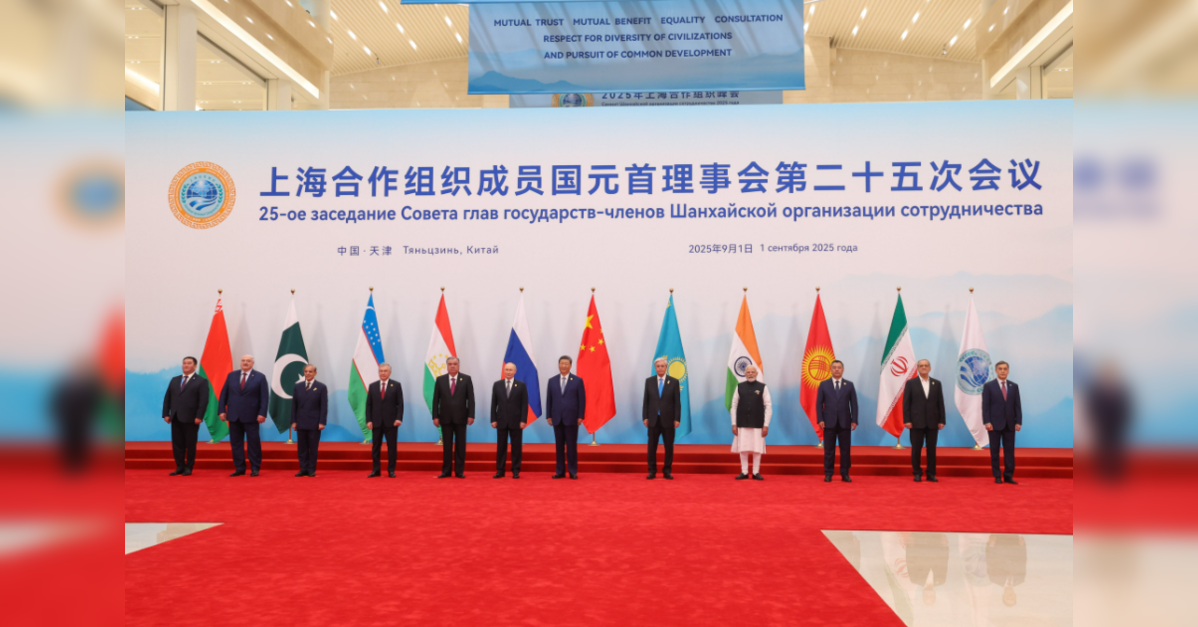
The recent Shanghai Cooperation Organisation (SCO) summit in Tianjin, where Prime Minister Narendra Modi championed secure connectivity for energy assets, underscores the profound link between geopolitics and global energy markets. With the SCO representing nearly half the world’s population and a quarter of global GDP, the strategic discussions held among its 26-nation framework members carry significant weight for investors monitoring the oil and gas sector. Modi’s emphasis on a clear, unanimous stance against terrorism and his vision for robust, sovereignty-respecting connectivity are not merely diplomatic rhetoric; they are foundational elements influencing the stability of supply chains, the viability of major infrastructure projects, and ultimately, the price of crude on international markets.
Geopolitical Stability and Crude Price Volatility
The call for heightened security against terrorism, voiced by India and echoed in the Tianjin Declaration, directly impacts the risk premium embedded in oil prices. Geopolitical events, particularly those affecting key energy-producing or transit regions, can trigger rapid market reactions. As of today, Brent crude trades at $98.38, reflecting a 1.02% decrease, while WTI crude sits at $89.96, down 1.33% from its daily open. This daily fluctuation, though seemingly minor, follows a more significant trend; Brent crude has fallen from $108.01 on March 26th to $94.58 on April 15th, representing a $13.43 or 12.4% decline over a mere 14 days. This volatility highlights how quickly investor sentiment can shift in response to perceived threats or resolutions on the global stage. Modi’s strong stance against “double standards on terrorism” and the SCO’s commitment to combating extremism aim to foster an environment conducive to stable energy flows, but the market’s recent movements demonstrate that underlying anxieties remain potent. Investors must recognize that while diplomatic efforts seek long-term stability, the immediate impacts of geopolitical tensions or perceived de-escalations can profoundly affect short-term trading dynamics for crude and refined products alike.
Strategic Connectivity: Investing in Future Energy Corridors
Modi’s vision for “connectivity that bypasses sovereignty loses trust and meaning” provides a critical framework for evaluating investment opportunities in energy infrastructure within the SCO region. Projects like the Chabahar Port and the International North-South Transport Corridor (INSTC) are not just trade routes; they are strategic arteries designed to enhance energy security and facilitate the movement of hydrocarbons and other commodities. For oil and gas investors, these initiatives represent direct investment opportunities in midstream assets, port facilities, and associated logistics. Enhanced connectivity through these corridors can reduce transit times and costs for energy exports from Central Asia to global markets, potentially impacting regional pricing differentials and bolstering the economic viability of new upstream projects in landlocked nations. The development of such infrastructure also de-risks supply chains by offering alternative routes, a crucial consideration in an era of heightened geopolitical fragmentation. While the precise timelines for these projects can be lengthy and complex, their strategic importance for diversifying energy transit and strengthening regional trade ties makes them compelling long-term plays for infrastructure funds and energy-focused private equity.
SCO’s Expanding Influence on Global Supply Dynamics and Upcoming Decisions
With major energy producers and consumers like China, Russia, and India among its members, the SCO’s evolving role extends beyond regional security to influence global energy supply dynamics. The discussions on economic cooperation and development within this bloc have direct implications for future energy demand and supply strategies. Investors are keenly watching how such high-level diplomatic engagements might foreshadow or complement decisions from other influential bodies. This week and next are particularly critical for the global oil market, with the OPEC+ Joint Ministerial Monitoring Committee (JMMC) scheduled for April 18th, followed by the full OPEC+ Ministerial Meeting on April 20th. These meetings will determine the near-term production quotas for many of the world’s leading oil exporters. Given the SCO’s significant representation of global energy players, any alignment or divergence in their broader energy strategies could indirectly, yet powerfully, influence the tone and outcomes of the upcoming OPEC+ discussions. Furthermore, the regular API Weekly Crude Inventory (April 21st, April 28th) and EIA Weekly Petroleum Status Report (April 22nd, April 29th) will provide crucial insights into immediate supply-demand balances, while the Baker Hughes Rig Count (April 17th, April 24th) offers a forward look at drilling activity. Monitoring the interplay between SCO’s long-term strategic goals and OPEC+’s immediate production decisions is vital for understanding future market direction.
Addressing Investor Concerns: Production Quotas and Brent Price Drivers
Our proprietary reader intent data reveals a consistent focus among investors on critical questions surrounding energy market fundamentals, particularly “What are OPEC+ current production quotas?” and “What is the current Brent crude price and what model powers this response?”. The SCO summit’s emphasis on secure energy connectivity and regional stability directly addresses the underlying factors influencing these questions. A more secure and integrated regional energy architecture, as envisioned by Modi, could theoretically lead to more predictable supply flows, potentially reducing the geopolitical risk premium often factored into Brent crude prices. Conversely, any perceived failures in achieving this security could amplify price volatility. The SCO’s collective stance on global issues, including energy security, can shape the broader market sentiment that influences OPEC+ decisions on production quotas. When major consumers like India advocate for stable and secure energy access, it creates a backdrop against which producers evaluate their output strategies. Therefore, while SCO does not directly set quotas, its members’ strategic alignment and economic cooperation can indirectly influence the global supply equation and, consequently, the price of Brent crude, which remains a key benchmark for investors worldwide.


