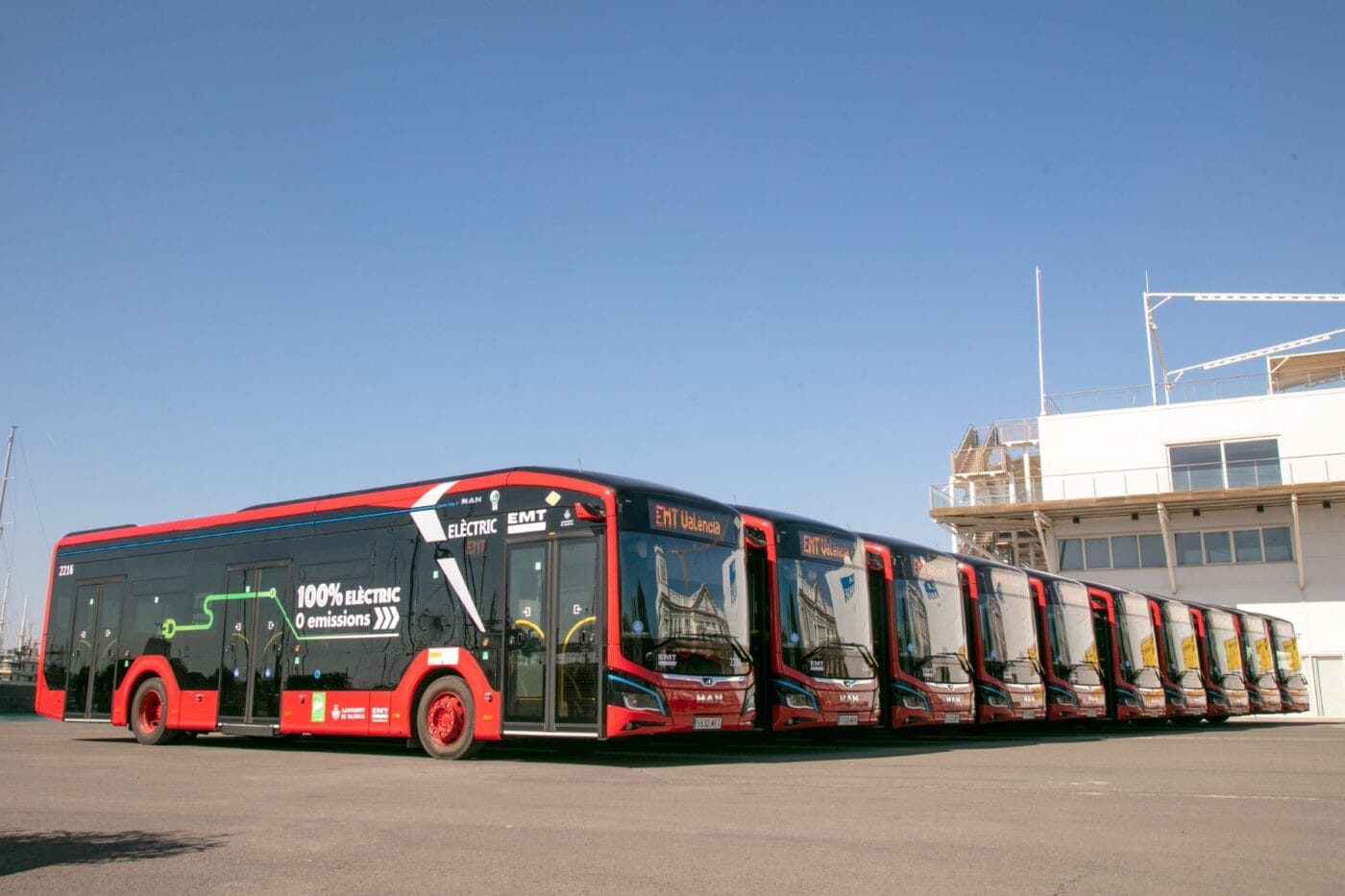
The recent order for 84 new city buses by EMT Valencia, a significant step towards fleet electrification, serves as a tangible signal of the ongoing energy transition and its direct implications for future oil demand. With 57 of these vehicles being all-electric and 27 hybrid articulated models, this move represents MAN Truck & Bus’s largest electric bus order in Spain to date. While an individual municipal order might seem a mere ripple in the vast ocean of global energy consumption, it embodies a cumulative trend that oil and gas investors must carefully consider. This shift, set to see deliveries from late 2026, underscores a persistent, localized erosion of diesel demand that, when aggregated across cities and countries, contributes to the broader macro headwinds facing the traditional energy sector.
The Accelerating Shift in Urban Mobility and its Oil Demand Implications
EMT Valencia’s strategic investment is part of a much larger, comprehensive €170 million program aimed at introducing 218 new electric and hybrid buses by 2028. This aggressive fleet renewal strategy is designed to drastically reduce the proportion of diesel-only vehicles in its service to less than seven percent by 2027. The order for 57 Lion’s City 12 E electric buses and 27 Lion’s City 18 hybrid vehicles from MAN, a contract valued at approximately €50 million, is a significant piece of this puzzle. Each electric bus replacing a conventional diesel counterpart effectively removes a consistent consumer of fossil fuels from the market. While the immediate impact of 84 buses on global oil demand is negligible, this initiative is a prime example of how municipal and regional governments worldwide are committing to decarbonization. The staggered delivery from the end of 2026 means these demand reductions are not theoretical, but a concrete, scheduled future reality that will incrementally chip away at urban fuel consumption profiles. Investors must recognize these micro-level transitions as leading indicators for broader, more substantial shifts in the global energy landscape.
Navigating Today’s Volatility: Micro-Trends Amidst Macro Headwinds
The implications of such fleet electrification initiatives gain sharper focus when viewed against the backdrop of current market conditions. As of today, Brent Crude trades at $90.38, reflecting a significant 9.07% decline from yesterday’s close, with WTI Crude mirroring this trend at $82.59, down 9.41%. This sharp daily drop compounds a broader downturn, as Brent Crude has already shed $20.91, or 18.5%, over the past two weeks, moving from $112.78 on March 30th to $91.87 just yesterday. Gasoline prices have followed suit, currently standing at $2.93, a 5.18% drop in the day. These substantial price movements highlight a market grappling with a complex mix of supply-demand dynamics and geopolitical uncertainties. In this environment, every localized decision to reduce fossil fuel consumption, such as Valencia’s bus order, contributes to the overarching narrative of potential peak demand and future erosion. While not a primary driver of daily price swings, these persistent, structural shifts in demand create an underlying pressure that can exacerbate market anxiety and contribute to volatility during periods of uncertainty, compelling investors to re-evaluate long-term demand growth projections.
Forward-Looking Analysis: Investor Questions and Upcoming Catalysts
Our proprietary reader intent data reveals a key investor preoccupation: “what do you predict the price of oil per barrel will be by end of 2026?” The long-term demand erosion exemplified by Valencia’s bus order, with deliveries commencing at the close of 2026, directly influences these complex price predictions. The gradual but steady replacement of internal combustion engine vehicles with electric and hybrid alternatives will exert a measurable, albeit incremental, downward pressure on demand in specific sectors. However, the immediate future of crude prices will be heavily influenced by a series of critical market events. This weekend, the OPEC+ Joint Ministerial Monitoring Committee (JMMC) and the Full Ministerial Meeting (April 18-19) are paramount. Investors will be scrutinizing any signals regarding current production quotas and future supply strategies, which could significantly impact market sentiment. Following these, the API and EIA Weekly Crude Inventory reports (April 21-22, and again April 28-29) will provide essential real-time snapshots of crude and product balances in the key U.S. market. Additionally, the Baker Hughes Rig Count reports (April 24, May 1) will offer insights into future supply trajectories. These near-term catalysts will undoubtedly drive market action, yet savvy investors must integrate the slower, structural demand shifts—like urban fleet electrification—into their long-term investment theses to truly understand the price trajectory by the end of 2026 and beyond.
Strategic Implications for Oil & Gas Investors
For oil and gas investors, the Valencia example is more than just a bus order; it’s a blueprint for a future where traditional fuel demand faces sustained pressure. The cumulative investment of €170 million in new electric and hybrid buses by a single transport company underscores the significant capital flowing into non-fossil fuel solutions. While some readers are specifically asking about the performance of companies like Repsol, which has a significant presence in Spain, the broader implication is on the market share for all fuel suppliers. Companies deeply entrenched in refining and distribution of diesel fuels will face an increasingly challenging environment in urban centers. This necessitates a strategic re-evaluation of portfolios and investment allocations. Traditional oil and gas companies that are not actively diversifying into renewable energy, biofuels, or carbon capture technologies may find themselves at a disadvantage. The energy transition is not a distant threat but a present reality, manifesting in municipal tenders and fleet renewal programs across the globe. Investors should prioritize companies demonstrating clear strategies for navigating this evolving landscape, focusing on resilience and adaptability in a world where demand for fossil fuels, particularly in segments like urban transport, is undeniably on a long-term downward trajectory.


