The global automotive industry’s complex pivot towards electrification continues to unfold, presenting a nuanced picture for energy markets and the oil & gas sector. A recent announcement from German automotive supplier Mahle has introduced a new range extender system that could significantly influence the pace of this transition, potentially sustaining demand for traditional fuels longer than many current projections anticipate. This development offers critical insights for investors tracking the energy landscape.
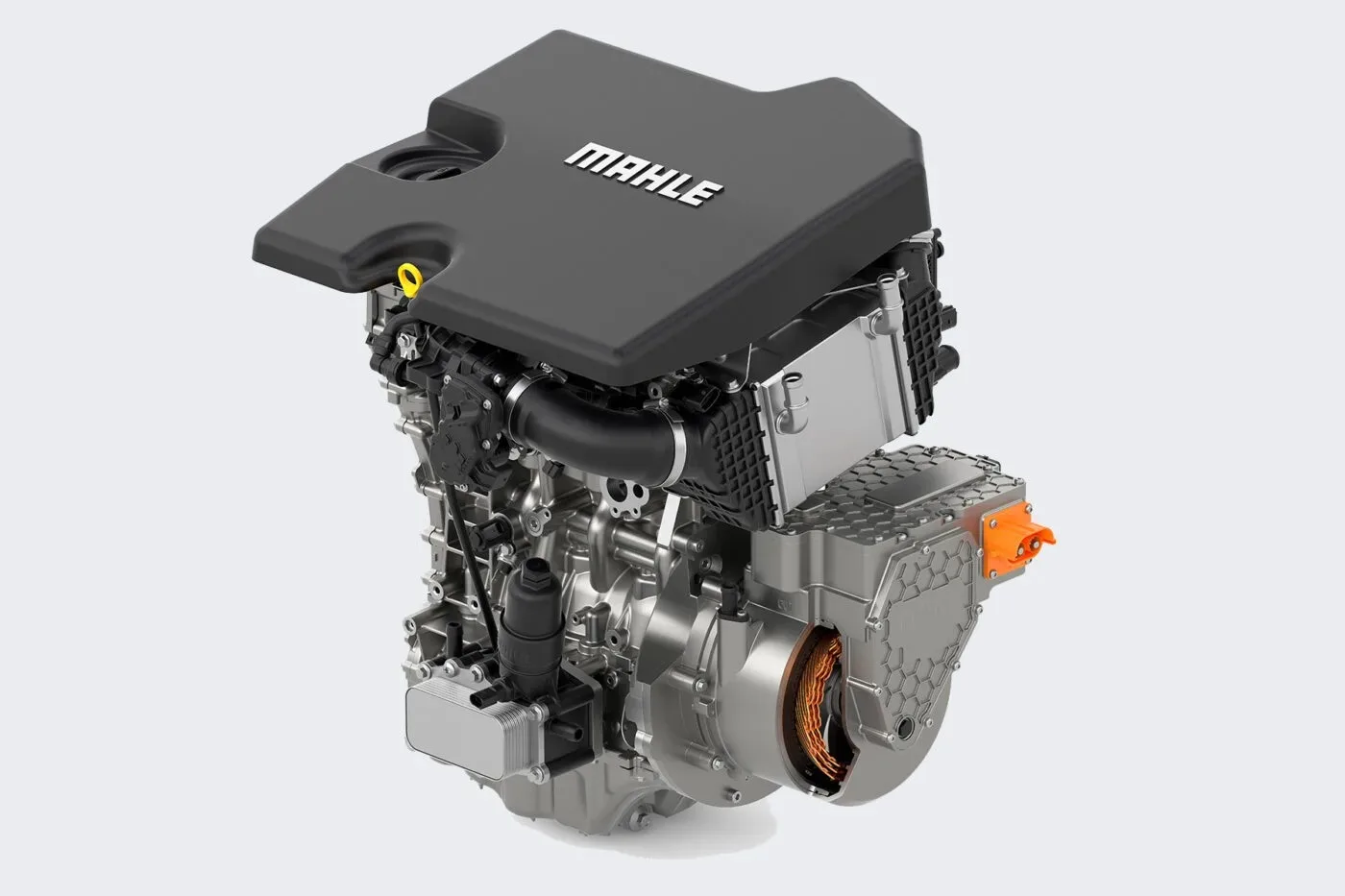
Mahle’s innovative range extender, set to debut at the IAA in September, boasts a continuous output of 85 kW. This system is not merely an incremental improvement; it represents a strategic move designed to extend the relevance of the internal combustion engine (ICE) in an increasingly electrified world. For oil & gas investors, understanding the implications of such technologies is paramount to forecasting future fuel consumption trends and evaluating long-term asset values.
Advanced Technology Bridging the Powertrain Gap
At the heart of Mahle’s new system lies a highly efficient high-voltage generator, powered by a compact internal combustion engine. The generator itself is a permanently excited electric machine, featuring a fully integrated cooling concept. Operating at 800 volts, this unit achieves a peak efficiency exceeding 97 percent, demonstrating remarkable power density of over 50 kW per liter. These figures, while impressive for the electrical component, underscore Mahle’s engineering prowess in optimizing the electric drive aspects. Crucially, the accompanying petrol engine, despite not matching the generator’s electrical efficiency, still achieves an impressive 42 percent thermal efficiency, incorporating various proprietary Mahle components.
This combined system aims to enhance the market acceptance of battery-electric vehicles (BEVs) by alleviating “range anxiety,” a significant barrier for many consumers. Vehicles equipped with this range extender could achieve an impressive WLTP range of up to 1,350 kilometers, depending on the model and battery configuration. Such an extended range capability directly competes with the convenience offered by conventional gasoline vehicles, thereby potentially slowing the mass adoption of pure BEVs and prolonging the market presence of vehicles that consume liquid fuels.
Strategic Implications for Fuel Demand
From an oil & gas investment perspective, the introduction of sophisticated range extenders like Mahle’s is a significant signal. While the long-term trajectory towards electrification remains, such “bridge technologies” can flatten the decline curve for gasoline demand. Every hybrid or range-extended vehicle sold represents a continued, albeit reduced, consumption of refined products compared to a pure BEV. This means refiners and fuel distributors may experience a more gradual shift in demand patterns, allowing more time for strategic adaptation and diversification into new energy vectors.
Marco Warth, Mahle’s Head of Corporate Research and Advanced Engineering, aptly describes the unit as a “convincingly compact, efficient power pack for drive systems,” highlighting its small size, light weight, and ease of integration. These attributes make it an attractive option for automakers looking to offer longer-range, more versatile vehicles without committing solely to the infrastructure challenges and higher upfront costs often associated with large-battery BEVs.
The Call for Technological Neutrality and Sustainable Fuels
Mahle CEO Arnd Franz has been an outspoken advocate for technological neutrality and openness towards hybrids and range extenders. Speaking at Mahle’s Tech Day, Franz urged a swift revision of CO2 regulations in Europe to include sustainable combustion engines and climate-neutral fuels. This call directly resonates with the strategic interests of the oil & gas sector. Should regulations evolve to recognize the climate benefits of advanced ICEs running on sustainable fuels, it would create new markets and investment opportunities for producers and refiners of biofuels, synthetic fuels (e-fuels), and other low-carbon liquid energy carriers.
Franz’s declaration, “As a supplier, we need technology neutrality in legislation. So that we can make rapid progress with climate protection. So that the expertise and innovative strength of the European automotive industry can continue to flourish in Europe. So that jobs remain in Europe and Europe’s economy can recover its old strength,” underscores a broader industry desire to leverage existing expertise while addressing climate goals. This perspective suggests that a complete and immediate abandonment of the ICE is not universally seen as the optimal path, thereby extending the horizon for fossil fuel-derived products, particularly if they can be blended or replaced by sustainable alternatives.
Investment Horizon and Market Dynamics
The transformation of automotive powertrains poses immense challenges for traditional suppliers like Mahle, which historically derived substantial revenue from conventional drivetrain components such as pistons and injection systems. The necessity to invest heavily in both advanced ICE components and electric drive technologies, while facing pricing pressure from carmakers, highlights the intense competitive environment. Mahle’s strategic focus on thermal management, an area critical for both ICEs and EVs, positions it well to capitalize on evolving industry needs.
For oil & gas investors, these developments signal a potentially longer tail for traditional fuel demand than some aggressive electrification forecasts might suggest. It necessitates a careful re-evaluation of peak oil demand timelines and the strategic value of refining assets. The emphasis on “sustainable combustion engines” and “climate-neutral fuels” also opens up avenues for downstream oil & gas companies to invest in research, development, and production of these new energy carriers, transforming their business models rather than simply phasing out existing ones.
Mahle’s presence at the IAA, under the banner “Efficiency3,” will showcase innovations across three strategic fields: the range extender, components for methanol-capable combustion engines, and a compact thermal management unit. The inclusion of methanol-capable engines is another critical indicator, as methanol can be produced from various feedstocks, including natural gas, coal, biomass, and renewable electricity, further diversifying potential fuel sources and creating new opportunities for specific segments of the energy industry.
Conclusion for Oil & Gas Investors
The introduction of Mahle’s high-efficiency range extender system is more than just an automotive engineering feat; it’s a significant market signal. It suggests a pragmatic, multi-faceted approach to decarbonization within the automotive sector, one that acknowledges the role of the internal combustion engine in the transition. For oil & gas investors, this translates into a potential slowing of the demand erosion from pure battery electric vehicles, offering a longer runway for existing assets and creating new opportunities in the development and supply of sustainable liquid fuels. Monitoring these technological advancements and the accompanying regulatory shifts will be crucial for informed investment decisions in the evolving global energy landscape.