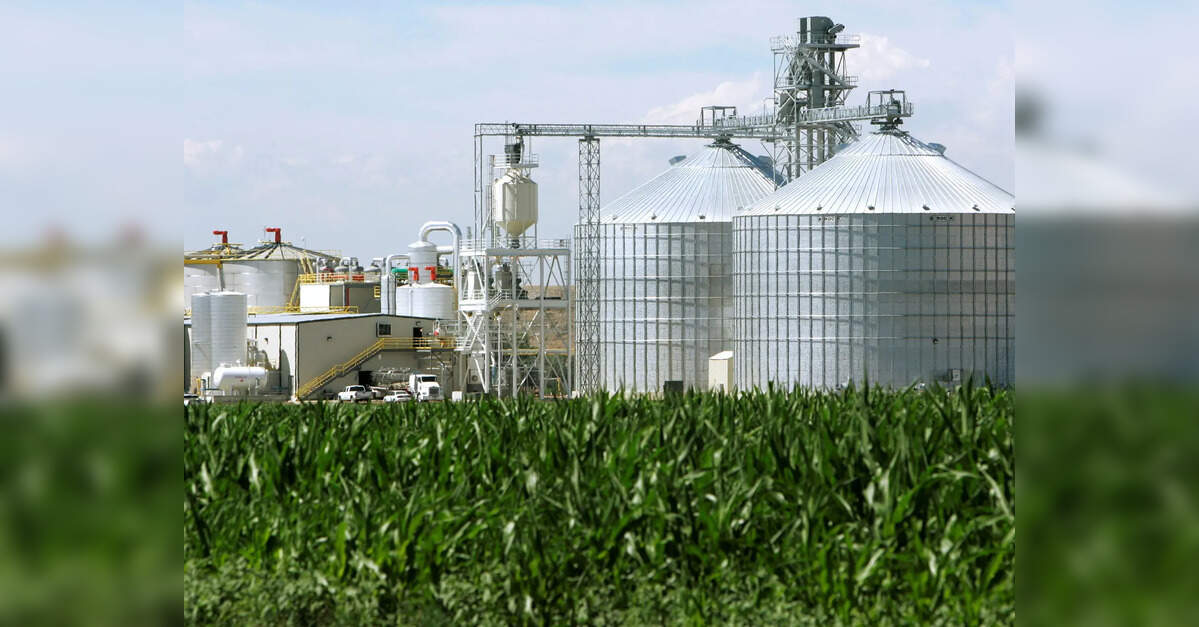
India’s ethanol sector, a critical component of the nation’s energy transition strategy, is currently navigating a complex landscape defined by dwindling raw material availability and stubbornly flat product pricing. Investors monitoring this space face a dual challenge: a significant decline in domestic sugar production, which directly impacts ethanol feedstock, coupled with an absence of compensatory price hikes for ethanol itself. This confluence of factors is exerting considerable pressure on profitability, making a strategic re-evaluation of investment prospects in the biofuel segment imperative.
The Shrinking Sugar Harvest: A Feedstock Conundrum
The foundation of India’s sugar-based ethanol production is facing unprecedented stress. Projections for the ongoing sugar season 2024-25 (SS25) indicate a substantial 15% year-on-year reduction in gross sugar output, estimated to fall to a range of 29.0–29.5 million tonnes. This marks the lowest production level since SS20, signaling a tightening of feedstock supply for the ethanol industry. The primary drivers behind this decline are multifaceted: lower cane yields, diminished sugar recovery rates, and the damaging impact of red rot infestation across cane fields. Crushing operations have already seen an 11% year-on-year drop, with 277 million tonnes processed as of mid-May 2025, while net sugar recovery has fallen by 80 basis points to approximately 9.30%. For investors in integrated sugar and ethanol companies, or those reliant on predictable feedstock costs, this translates directly into increased operational risk and potential margin compression. The likelihood of further increases in cane prices in the next sugar season, SS26, only compounds these cost pressures, underscoring the urgency for a revised pricing mechanism for ethanol.
Ethanol’s Blending Ambitions Collide with Price Realities
Despite the challenges in sugar production, the government’s push for ethanol blending remains robust. Following the lifting of restrictions in August 2024, the diversion of sugar for ethanol production is expected to rise significantly, from 2 million tonnes in SS24 to between 3.2–3.4 million tonnes in SS25. This increased diversion, however, comes at a cost to net sugar output, which is projected to fall to 26.0–26.2 million tonnes after diversion. While India has made commendable progress, achieving close to its targeted 20% ethanol blending in recent months, the financial viability of this ambition is now under scrutiny. EBITDA margins for ethanol producers saw a marginal decline in FY25, largely due to supply restrictions in the first half and, critically, the absence of an upward price revision for ethanol in ESY25. This contrasts sharply with ESY24, which saw prices adjusted to ₹72/litre for maize-based ethanol and ₹56.6/litre for C-heavy molasses. The minimal ₹1.4/litre hike for C-heavy molasses-based ethanol for ESY25 is insufficient to offset rising production costs, particularly given the anticipated increase in cane prices. This creates a challenging environment for producers, where increased output does not necessarily translate into improved profitability, highlighting a structural disconnect between policy goals and economic realities for the sector.
Navigating Broader Energy Market Volatility and Investor Sentiment
The domestic ethanol market operates within the wider energy landscape, which currently exhibits significant volatility. As of today, Brent crude trades at $90.38 per barrel, marking a substantial 9.07% decline from its opening, and a steeper 18.5% drop over the past two weeks, falling from $112.78 on March 30th to $91.87 on April 17th. Similarly, WTI crude has fallen to $82.59, while gasoline prices stand at $2.93. This broader market dynamic, characterized by fluctuating crude and product prices, indirectly influences the economic attractiveness of biofuels like ethanol. While ethanol pricing is more domestically controlled, the relative cost of gasoline impacts blending targets and consumer acceptance. Our proprietary reader intent data reveals that investors are keenly focused on these overarching energy trends, with frequent queries concerning the trajectory of oil prices per barrel by the end of 2026 and current OPEC+ production quotas. These questions underscore a broader market uncertainty that ethanol investors must consider. While ethanol provides a degree of insulation from global crude price swings due to its regulated pricing, the current stagnation of those regulated prices, amidst rising feedstock costs, presents a unique challenge that many traditional oil and gas sectors do not face in the same manner. This divergence in pricing dynamics between conventional fuels and biofuels requires a nuanced investment approach.
Forward Outlook: Policy Decisions and Upcoming Events
Looking ahead, the profitability of India’s ethanol sector hinges critically on policy interventions and the ability to manage feedstock availability. The projected closing sugar inventory for SS25 is expected to drop to 5.3–5.5 million tonnes, falling just below the normative requirement of 5.5 million tonnes. While carryover stocks from previous seasons may provide a temporary buffer, this marks India’s first production deficit in nearly eight years, signaling potential long-term supply tightness. For investors, the most immediate and impactful policy lever is an upward revision of ethanol prices for ESY25, with expectations for a 3–5% increase to partially mitigate the rising cost of cane and molasses. Without such adjustments, the financial health of ethanol producers will remain precarious. Beyond domestic policy, the broader energy market calendar holds significant events that could influence the backdrop for biofuels. The upcoming OPEC+ Joint Ministerial Monitoring Committee (JMMC) meeting on April 18th and the full Ministerial meeting on April 19th will be closely watched for any shifts in production quotas, which could significantly impact global crude prices. Additionally, regular data releases such as the API Weekly Crude Inventory (April 21st, 28th), EIA Weekly Petroleum Status Reports (April 22nd, 29th), and the Baker Hughes Rig Count (April 24th, May 1st) will provide ongoing insights into global supply and demand dynamics. These external factors, while not directly setting ethanol prices, shape the competitive environment and the strategic rationale for continued investment in biofuels. Ultimately, the sustained growth and profitability of the ethanol segment will be contingent on proactive policy adjustments that ensure feedstock availability and equitable pricing, alongside continued advancements in vehicle compatibility and blending infrastructure.


