The Silent Erosion: How Advanced Battery Tech Reshapes Oil & Gas Investment Horizons
While the daily headlines in oil markets often focus on geopolitical tensions, inventory shifts, or OPEC+ pronouncements, a quieter, yet profoundly impactful, narrative is unfolding in adjacent energy sectors. The recent operational milestone by LiCAP Technologies in Sacramento, California, with their 300 MWh dry electrode production line, serves as a potent reminder of the accelerating energy transition and its long-term implications for oil and gas investors. This isn’t just about cleaner batteries; it’s about the fundamental re-evaluation of future fossil fuel demand, challenging conventional wisdom and forcing a strategic re-assessment of investment portfolios.
Advanced Battery Production: A Catalyst for EV Adoption and Demand Rethink
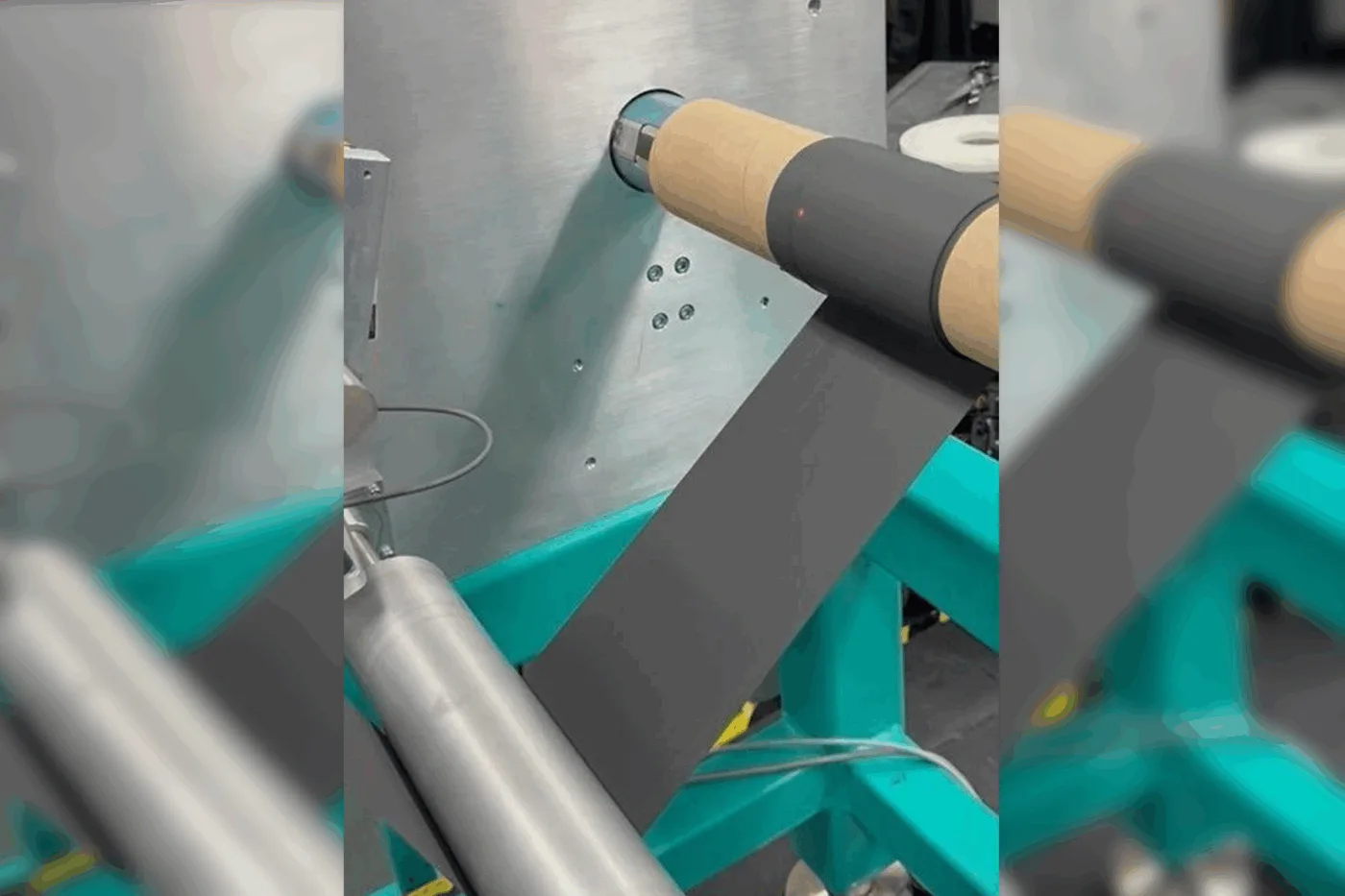
LiCAP Technologies’ successful commissioning of its roll-to-roll dry electrode production line, capable of producing over 500-meter cathode rolls, represents a significant leap in battery manufacturing. Their proprietary ‘Activated Dry Electrode’ process eliminates the need for toxic solvents and energy-intensive drying steps, dramatically reducing the environmental footprint and manufacturing costs associated with traditional slurry-based methods. This innovation promises higher energy density and a reduced cost per kilowatt-hour, critical attributes that directly address two of the primary hurdles to widespread electric vehicle (EV) adoption: range anxiety and upfront cost.
The ability to produce electrodes for lithium-ion, solid-state, and sodium-ion batteries, designed for industrial-scale output and with customer samples shipping this month, signals a clear path to commercialization. For oil and gas investors, this isn’t merely a tech-sector curiosity. Each improvement in battery technology, particularly those that lower costs and enhance performance, accelerates the shift away from internal combustion engines. This directly impacts gasoline and diesel demand projections, which in turn anchor long-term crude oil price forecasts. When investors ask about building a base-case Brent price forecast for the next quarter or the consensus 2026 Brent forecast, they must increasingly factor in these accelerating technological advancements that are structurally eroding future demand, even if the immediate impact isn’t visible in today’s spot prices.
Market Volatility vs. Structural Shifts: Navigating Today’s Prices with Tomorrow in Mind
The oil market remains notoriously volatile, reacting sharply to immediate supply-demand imbalances and geopolitical developments. As of today, Brent crude trades at $99.6, marking a significant daily gain of 4.92%, with a day range between $94.42 and $99.73. WTI crude also saw strong upward movement, reaching $91.52, up 3.85%. Gasoline prices mirrored this trend, climbing to $3.08 per gallon. These daily swings, while compelling for short-term traders, mask a more profound, underlying shift. Over the past 14 days, Brent has actually trended downwards, from $108.01 on March 26th to $94.58 on April 15th, a decline of over 12%. This longer-term volatility highlights a market grappling with numerous pressures, from economic sentiment to supply discipline.
However, the dry electrode breakthrough by LiCAP, supported by public-private collaboration with the California Energy Commission, represents a structural force that will increasingly influence these long-term price trends. It’s a testament to the increasing viability of a US-based battery supply chain, reducing reliance on overseas manufacturing and further solidifying the domestic push for clean energy. While the market today might be driven by inventory draws or OPEC+ rhetoric, the inexorable march of battery technology means that every barrel of oil saved by an EV is a barrel that won’t be demanded in the future. This challenges the long-held assumption of continuously growing oil demand and introduces a critical variable into every long-term investment model.
Strategic Re-evaluation: Capital Allocation in a Transforming Energy Landscape
For discerning oil and gas investors, the implications of these battery advancements are clear: the sector’s long-term risk profile is evolving. Companies that fail to adapt to a world of potentially decelerating or even peaking oil demand risk becoming stranded assets. The growing interest from cell manufacturers in LiCAP’s technology, particularly from the EV sector, underscores the urgency of this transition. This isn’t just about “green” investing; it’s about shrewd capital allocation and risk management in a rapidly changing energy matrix.
Savvy investors are increasingly scrutinizing the diversification strategies of traditional oil majors, looking for commitments to lower-carbon intensity operations, investments in carbon capture technologies, or genuine pivots into renewable energy generation and infrastructure. The question “What is the consensus 2026 Brent forecast?” becomes more nuanced when considering that technological advancements like LiCAP’s are pushing the boundaries of what’s possible in EV adoption, potentially dampening future demand more aggressively than current consensus models might suggest. This mandates a closer look at balance sheets, free cash flow generation, and the ability of oil and gas companies to deliver shareholder value even in a scenario of moderated long-term demand growth.
Upcoming Events Through a Lens of Energy Transition
The immediate future for oil markets is punctuated by a series of key events that will undoubtedly drive short-term price action. We look ahead to the Baker Hughes Rig Count on Friday, April 17th, followed by crucial OPEC+ meetings – the JMMC on Saturday, April 18th, and the Full Ministerial Meeting on Monday, April 20th. These are critical moments for assessing global supply intentions and drilling activity. Additionally, the API Weekly Crude Inventory on Tuesday, April 21st, and the EIA Weekly Petroleum Status Report on Wednesday, April 22nd, will offer fresh insights into immediate demand and inventory levels, with similar reports repeating the following week.
While these events provide actionable data for near-term trading and positioning, their long-term significance must now be viewed through the lens of accelerating energy transition. OPEC+ decisions on supply cuts, for instance, are increasingly battling against structural demand erosion driven by advancements like LiCAP’s dry electrode technology. A robust rig count might signal future supply, but the ultimate demand for that supply becomes increasingly uncertain as EVs gain market share. Investors are tasked with balancing these immediate, actionable data points against the macro trend of electrification, understanding that each battery breakthrough incrementally shifts the goalposts for future oil demand. The energy landscape is in flux, and understanding these interdependencies is paramount for successful long-term investment in oil and gas.