Japan’s Strategic Vertical Integration: Securing LNG Supply for an AI-Driven Future
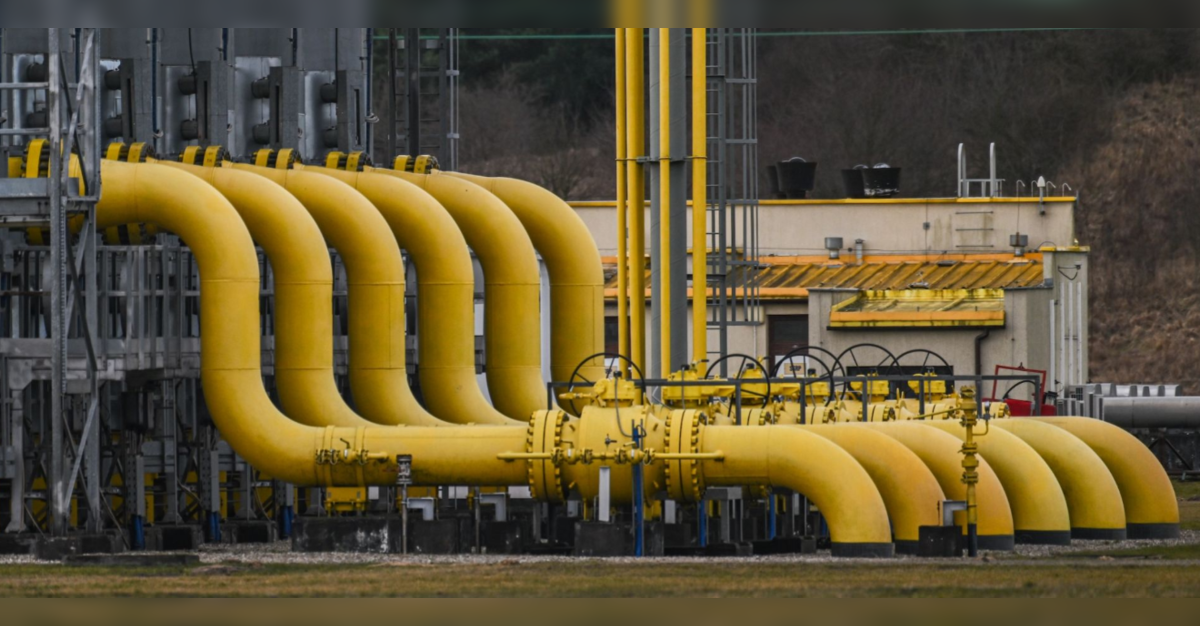
Japan’s leading power generator, JERA, is reportedly on the cusp of a significant $1.7 billion acquisition of natural gas production assets in the U.S., a strategic maneuver that promises to reshape its energy supply chain. This potential deal for GEP Haynesville II assets, a joint venture involving Blackstone-backed GeoSouthern Energy and Williams Companies, marks JERA’s inaugural direct investment in upstream shale gas production. The move underscores a profound shift in how major energy consumers are approaching supply security, particularly as Japan anticipates a dramatic surge in power demand from the burgeoning artificial intelligence sector and its associated data centers. For investors, this transaction represents more than just a capital outlay; it’s a clear signal of long-term strategic positioning in the global LNG market, driven by both energy security imperatives and the anticipated demands of a digitized future.
Haynesville Basin: A Cornerstone in Japan’s Energy Security Architecture
The target assets are situated within the prolific Haynesville shale basin, spanning Texas and Louisiana, a region recognized as one of the largest natural gas-producing basins in the United States. JERA’s aggressive bid, reportedly topping several U.S.-based energy companies, highlights the strategic value placed on consistent, reliable gas supply. For Japan, a nation heavily reliant on imported energy, direct ownership in a foundational U.S. gas play offers an unprecedented level of control over its liquefied natural gas (LNG) feedstock. This vertical integration strategy is a direct response to the energy market volatility experienced since recent geopolitical events, bolstering Japan’s efforts to secure supplies from allied nations. The timing also aligns with recent trade agreements, including Tokyo’s commitment to substantial annual energy purchases from the U.S., further cementing the economic and strategic partnership. This proactive stance, extending beyond traditional LNG purchase agreements into direct production, illustrates a deepened resolve to insulate Japanese power generation from external market shocks and ensure a stable energy foundation for its high-tech economy.
Navigating Market Headwinds: Investor Focus on Price & Production Discipline
This substantial acquisition by JERA is unfolding against a backdrop of considerable volatility in the broader energy markets. As of today, Brent crude trades at $90.38 per barrel, marking a significant 9.07% decline from its opening, with its daily range extending from $86.08 to $98.97. Similarly, WTI crude has seen a sharp dip, currently at $82.59, down 9.41% today, fluctuating between $78.97 and $90.34. This immediate downturn follows a broader trend, with Brent having shed $20.91, or 18.5%, over the past two weeks alone. Our proprietary reader intent data reveals that investors are keenly focused on understanding this market direction, frequently asking about the end-of-year oil price forecasts and the current production quotas of OPEC+.
The current weakness in crude prices, while not directly impacting the gas acquisition’s fundamentals, inevitably shapes the overall sentiment towards energy investments. This creates a fascinating dynamic: a major long-term strategic natural gas play occurring while the short-term crude market faces downward pressure. Investors are clearly weighing the long-term structural demand drivers for natural gas, particularly LNG, against the more immediate, often geopolitically influenced, fluctuations in the crude market. JERA’s move signals a conviction in the enduring demand for gas, irrespective of near-term crude gyrations. It reflects a strategic decoupling of long-term supply chain security from short-term commodity price movements, a critical consideration for national energy security.
Upcoming Events and the Long-Term LNG Outlook
Looking ahead, the next two weeks hold several critical events that will undoubtedly influence energy market sentiment and, by extension, investor perception of deals like JERA’s. This weekend, investors will be closely monitoring the OPEC+ Joint Ministerial Monitoring Committee (JMMC) meeting on April 18th, followed by the full Ministerial Meeting on April 19th. Given the recent steep decline in crude prices, the market will be eager to see if the cartel signals any adjustments to production quotas or offers commentary that could stabilize prices. Our proprietary data shows a strong interest from investors regarding OPEC+ production levels, indicating their impact on future price trajectories, a question posed frequently by our users.
Beyond OPEC+, weekly reports such as the API Crude Inventory on April 21st and 28th, and the EIA Weekly Petroleum Status Report on April 22nd and 29th, will provide crucial insights into U.S. supply-demand dynamics. While these primarily focus on crude and refined products, their overall market impact can spill over into natural gas sentiment. For LNG specifically, JERA’s continued commitment to U.S. projects, including a recent letter of intent for Alaska’s $44 billion LNG export project, signifies a robust long-term demand outlook. This upstream acquisition in Haynesville is a foundational step, providing the security of supply needed to underpin commitments to future LNG export capacity. The ongoing investment in U.S. LNG infrastructure, even as global markets experience short-term fluctuations, reinforces the belief in natural gas as a critical transition fuel and a cornerstone of future energy security for major importers like Japan, signaling enduring opportunities for investors in the upstream and midstream gas sectors.


