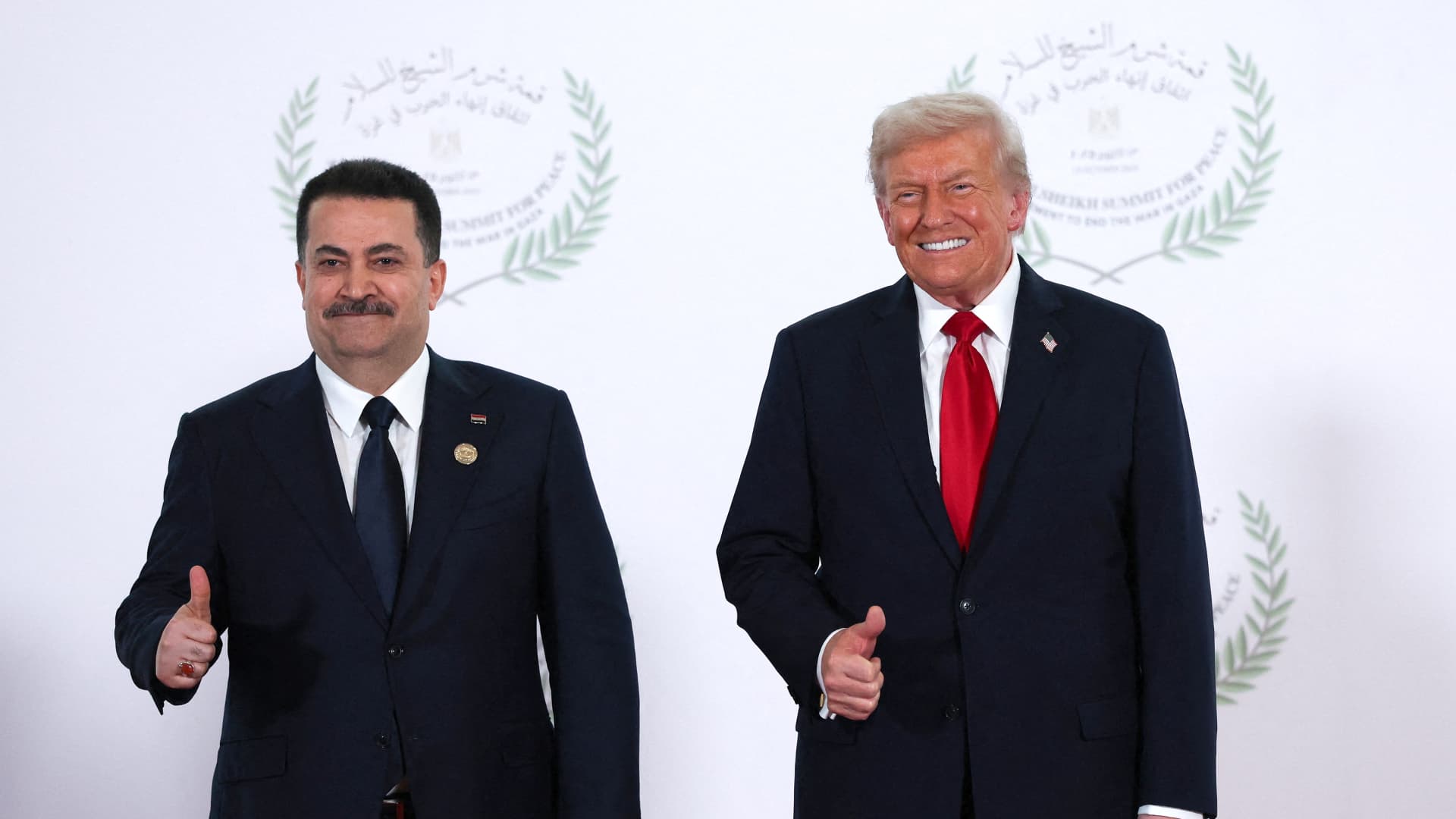
Iraq stands on the cusp of a transformative energy pivot, signaling a profound shift in its domestic power generation and geopolitical alignment. Prime Minister Mohammed Shia Al-Sudani has articulated an ambitious strategy to end the nation’s $4 billion annual reliance on Iranian gas imports by 2028, a move poised to reshape its energy landscape and offer compelling new avenues for international investment. This initiative, driven by decades of infrastructure strain and the pressing need for economic diversification, aims to harness Iraq’s own vast natural gas resources, currently wasted through flaring, to fuel its burgeoning electricity demand. For investors, this represents a unique opportunity to participate in the reconstruction and modernization of a critical OPEC nation’s energy infrastructure, albeit one fraught with both significant potential and inherent complexities.
The Drive for Energy Sovereignty and Economic Revitalization
At the heart of Iraq’s strategic shift is a fundamental necessity: addressing its chronic power shortages. Despite being OPEC’s second-largest oil producer, Iraq has long grappled with an unreliable power grid, a legacy of underinvestment, mismanagement, and corruption. The nation currently depends on Iranian gas for nearly a third of its electricity generation, a dependency that has not alleviated frequent and prolonged outages. Prime Minister Al-Sudani’s vision targets this “structural imbalance” directly, with a clear plan to capture the substantial volumes of gas that are currently flared during oil production. This wasted resource, valued at an estimated $4 billion to $5 billion annually, represents a readily available domestic fuel source. The government has set an explicit deadline of early 2028 for achieving zero gas flaring, underscoring the urgency and commitment behind this initiative. This commitment to self-sufficiency not only promises to stabilize Iraq’s power supply but also unlocks significant economic value, transforming a costly environmental liability into a vital asset for national development.
Navigating Geopolitics and Unlocking Global Capital
Achieving energy independence by 2028 necessitates a delicate geopolitical balancing act and a robust influx of international capital. Iraq, which maintains intricate relationships with both the United States and Iran, is actively courting a diverse array of global partners to rebuild its infrastructure and enhance its power grid. Baghdad has already secured agreements with major players, including TotalEnergies, alongside Chinese and Emirati firms, to invest in gas capture projects. Further signaling its multi-pronged approach, the government has reached agreements in principle with leading American energy giants such as Chevron, Exxon Mobil, Halliburton, and SLB (Schlumberger). Beyond these, substantial investments from Gulf partners are flowing in, with Qatari commitments exceeding $5 billion and Saudi and Emirati private sector firms engaging in various projects, notably an agreement with the UAE’s renewable energy champion, Masdar, to develop 1,000 megawatts of clean power. This broad engagement highlights Iraq’s strategic positioning, seeking to diversify its economic and energy ties across the globe, rather than relying on a single dominant partner.
Current Market Realities and Investor Focus
As Iraq embarks on this ambitious energy transformation, the broader global oil market presents a dynamic backdrop. As of today, Brent Crude trades at $90.38 per barrel, experiencing a significant single-day decline of 9.07%, with its range fluctuating between $86.08 and $98.97. Similarly, WTI Crude stands at $82.59, down 9.41% within a daily range of $78.97 to $90.34. This notable daily volatility is part of a broader trend, with Brent having declined by nearly 20% over the past two weeks, dropping from $112.78 on March 30 to its current level. This market turbulence shapes investor sentiment, particularly for a major producer like Iraq. Investors on our platform are keenly observing these fluctuations, with frequent inquiries about the predicted price of oil per barrel by the end of 2026. This forward-looking perspective, coupled with questions regarding OPEC+ current production quotas, underscores the critical role that both global supply-demand dynamics and cartel policy will play in the investment landscape for Iraqi energy projects. The ability of Iraq to attract and retain significant capital hinges not only on its domestic policy stability but also on the perceived long-term health and direction of crude markets.
Strategic Implications and Upcoming Catalysts for Iraq’s Energy Future
Iraq’s pursuit of energy independence carries profound strategic implications, both regionally and globally. Success in this endeavor would significantly reduce Iran’s economic and political leverage in Iraq, potentially altering regional power dynamics. For the global energy market, a more self-sufficient Iraq, less reliant on external energy supplies, could eventually free up its substantial oil production capacity for export, further influencing global supply. Investors should closely monitor upcoming events that will provide crucial context for Iraq’s strategic trajectory. The OPEC+ Joint Ministerial Monitoring Committee (JMMC) Meeting on April 19, followed by the full OPEC+ Ministerial Meeting on April 20, will be critical. While Iraq’s current focus is on domestic gas utilization, these meetings shape the broader production environment for its primary export commodity, crude oil. Furthermore, weekly data releases such as the API Weekly Crude Inventory (April 21, April 28) and the EIA Weekly Petroleum Status Reports (April 22, April 29) offer insights into global supply and demand balances, providing essential data points for evaluating the long-term viability and profitability of energy investments in Iraq. The Baker Hughes Rig Count on April 24 and May 1 will also reflect activity levels in North American unconventional plays, which often set the competitive benchmark for global oil supply. Ultimately, Iraq’s determination to end gas flaring and secure its energy future represents a compelling long-term investment theme, contingent on continued political will, effective project execution, and a supportive global market environment.

