Iraq, a nation holding the world’s fifth-largest proven oil reserves and standing as OPEC’s second-largest producer, recently plunged into a nationwide blackout. This critical infrastructure failure, triggered by a temperature surge to a scorching 122 degrees Fahrenheit (50° Celcius) and subsequent spiking electricity demand, brings to the fore an alarming paradox: an oil-rich country struggling to keep its lights on. For energy investors, this isn’t merely a localized humanitarian crisis; it represents a tangible and often underestimated risk to global crude oil supply stability. The deep-seated issues behind Iraq’s faltering power grid—chronic under-investment, mismanagement, and pervasive corruption—have been years in the making, and their potential to disrupt a significant portion of OPEC’s output demands close attention.
The Persistent Power Paradox in OPEC’s Second-Largest Producer
The recent nationwide blackout, a direct result of extreme heat pushing an already fragile power grid beyond its limits, underscores a systemic vulnerability in a country central to global energy markets. While the immediate trigger was soaring temperatures and electricity demand, the roots of this crisis run far deeper. Since the 2003 U.S.-led invasion, Iraq’s national grid has been unable to meet demand, plagued by chronic under-investment, pervasive mismanagement, and the embezzlement of public funds earmarked for critical electricity projects. This isn’t an isolated incident; shorter power cuts occur almost daily, leaving many Iraqis reliant on expensive private generators, while others suffer without any access to reliable power. The sheer scale of investment in Iraq’s power sector by international energy companies, running into billions of dollars, highlights the frustration and inefficiency that have become hallmarks of the nation’s energy infrastructure. This persistent inability to provide basic services, despite vast oil wealth, has repeatedly spilled into civil unrest, with protests erupting in the summers of 2021 and more recently in July due to widespread power and water outages.
Iran’s Influence and Iraq’s Untapped Gas Potential
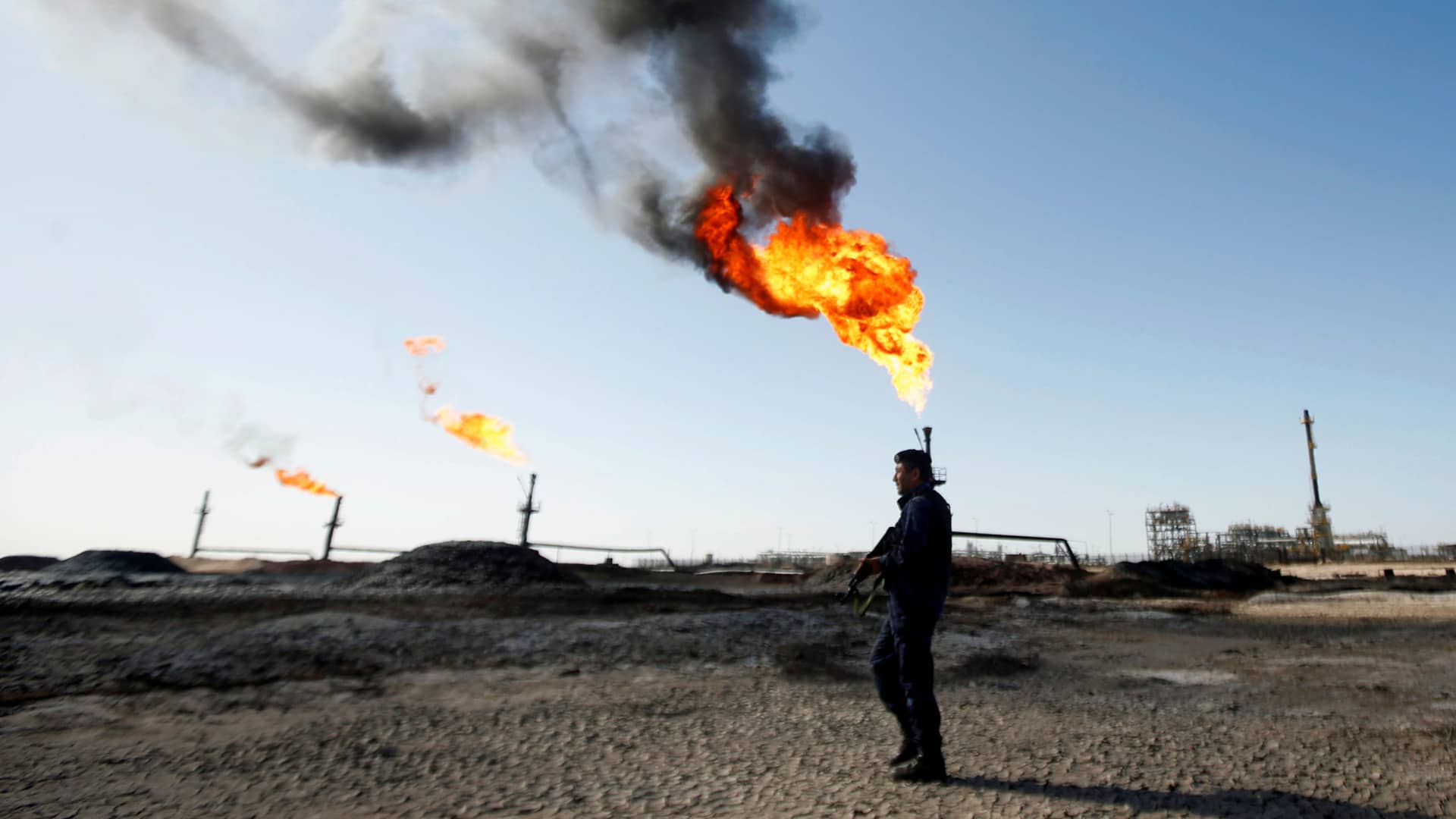
A significant factor contributing to Iraq’s power fragility is its heavy reliance on neighboring Iran for both gas and electricity. In 2023, Iran supplied 47% of the gas Iraq consumed and an estimated 29% of its power generation. However, this dependency comes with substantial risks. Iran’s own energy sector is often unstable due to international sanctions and internal mismanagement, leading to unreliable supply. Furthermore, Tehran has at times leveraged its energy exports to Iraq for political reasons, withholding supply and exacerbating Iraq’s internal power woes. The irony is stark: Iraq possesses immense, untapped natural gas reserves. Yet, instead of developing this strategic asset, the country routinely flares off vast quantities of gas produced during oil extraction. This practice represents not only massive financial and resource losses but also significant environmental damage. Experts point to a confluence of factors for this failure, including bureaucratic hurdles, a lack of strategic planning capacity, and even geopolitical pressure from Iran, which benefits from its lucrative energy exports to Iraq. Until Iraq can effectively harness its own gas resources, its energy independence and grid stability will remain compromised.
Market Volatility and Investor Concerns: The Supply Stability Equation
The fragility of Iraq’s power infrastructure casts a shadow over global crude oil supply, a critical concern for investors in an already volatile market. As of today, Brent crude trades at $98.69, marking a notable rebound of nearly 4% from its daily low, with WTI crude similarly gaining over 2.7% to $90.55. This recent upward momentum follows a significant downward trend over the past two weeks, where Brent shed over $13, falling from $108.01 on March 26 to $94.58 just yesterday. Such price swings highlight the market’s sensitivity to supply narratives. Our proprietary intent data indicates that readers are keenly focused on building base-case Brent price forecasts for the next quarter and understanding the consensus 2026 outlook. The ongoing power crisis in Iraq, while not directly halting oil exports yet, introduces an unpredictable variable into these forecasts. Any escalation that impacts critical oil production infrastructure, even indirectly through staff welfare or logistical challenges, could tighten an already sensitive market. For investors seeking stability and predictability, the systemic issues in Iraq represent a persistent, underlying geopolitical risk that demands careful monitoring, as it directly influences a major OPEC producer’s capacity and reliability.
Anticipating OPEC+ Moves Amidst Internal Pressures
The internal struggles faced by Iraq will undoubtedly factor into the broader discussions within OPEC+. With the critical OPEC+ Joint Ministerial Monitoring Committee (JMMC) meeting scheduled for April 18, followed swiftly by the full Ministerial meeting on April 20, the stability of member state production will be a key, albeit possibly unspoken, consideration. Iraq’s persistent power woes and the potential for civil unrest could complicate its ability to consistently meet existing or future production quotas. While the immediate focus of OPEC+ is often on market rebalancing and demand-side factors, the foundational capacity and reliability of its largest producers are paramount. Any perception of instability from a major contributor like Iraq could force other members to consider whether they need to maintain higher spare capacity or adjust collective output targets more cautiously. Furthermore, the API Weekly Crude Inventory report on April 21 and the EIA Weekly Petroleum Status Report on April 22 will provide fresh data on global supply/demand balances, setting the immediate context for these OPEC+ deliberations. The Iraq crisis serves as a stark reminder that geopolitical risks and internal infrastructure failures can swiftly translate into global supply concerns, influencing energy prices and investment strategies in the coming quarters.

