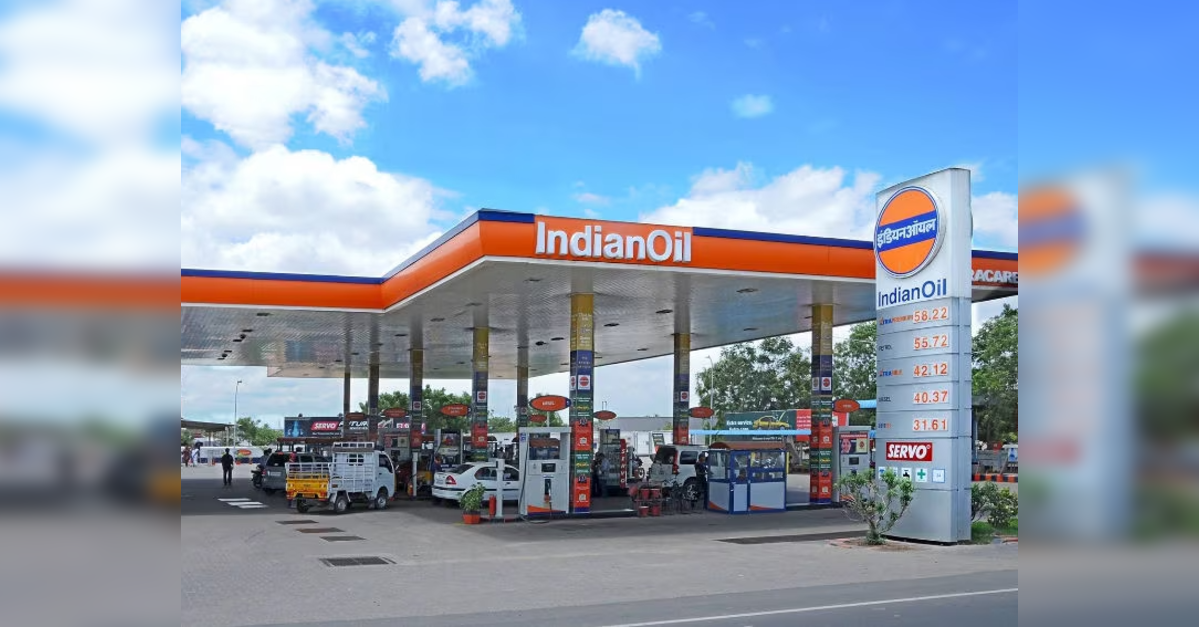
India’s energy landscape is undergoing a significant strategic shift, exemplified by Indian Oil Corporation’s (IOC) imminent investment in a fleet of 10 Aframax crude carriers. This move transcends a simple procurement decision; it represents a profound commitment to national energy security, supply chain resilience, and the ambitious “Make in India” initiative. For investors tracking the global oil and gas sector, this development signals a long-term recalibration of India’s import strategy, moving away from heavy reliance on chartered foreign vessels towards an indigenously controlled maritime logistics framework. As the world’s third-largest oil consumer navigates complex geopolitical currents and volatile commodity markets, IOC’s decision to build a proprietary crude carrier fleet domestically is a powerful statement about strategic autonomy and future-proofing its energy supply lines.
Securing India’s Energy Lifeline: A Strategic Imperative
The core of IOC’s fleet expansion strategy lies in bolstering India’s energy security. For years, the nation has depended heavily on hired ships to transport its crucial energy supplies, incurring substantial freight costs – estimates suggest over 85% of the $100 billion paid in recent years went to foreign vessels. This reliance exposed India to global shipping market fluctuations and potential supply disruptions. By acquiring 10 Aframax vessels, each capable of carrying 80,000 to 120,000 deadweight tons, IOC is taking a decisive step to internalize a critical component of its supply chain. This aligns with broader governmental efforts to ensure predictable and secure access to crude, a concern frequently voiced by investors tracking emerging market energy demand and geopolitical risks, particularly those asking about the impact of OPEC+ quotas on global supply predictability.
While previous attempts to establish a joint shipping company faced hurdles due to a lack of shipbuilding expertise and the allure of cheaper, faster foreign-made vessels, the current plan marks a determined pivot. IOC is now poised to acquire these carriers from a joint venture involving the state-owned Shipping Corporation of India (SCI) and an Indian shipyard, likely Cochin Shipyard. This approach not only addresses the energy security mandate but also fuels the domestic shipbuilding industry, creating jobs and fostering specialized expertise within India. Other state-owned oil companies are anticipated to follow suit, collectively aiming to replace an aging, predominantly chartered fleet with up to 112 indigenous crude carriers by 2040.
Navigating Volatility: Strategic Investment in a Shifting Market
IOC’s long-term strategic investment arrives at a fascinating juncture in the global crude market. As of today, Brent crude trades at $98.15 per barrel, reflecting a -1.25% dip within the day, with a range between $97.92 and $98.67. WTI crude similarly saw a decline, settling at $89.8 per barrel, down -1.5%. This short-term volatility is part of a broader trend; Brent crude has seen a significant decline of $14, or -12.4%, over the past 14 days, falling from $112.57 to $98.57. While daily price movements are common, this sustained downward pressure on crude prices underscores the dynamic nature of the energy market.
For investors, the current market environment highlights the value of strategic infrastructure investments that enhance operational control and cost predictability. While headline crude prices grab attention, smart capital deployment in areas like logistics and supply chain resilience can offer a defensive hedge. By investing in its own fleet, IOC aims to mitigate future exposure to volatile global freight rates, transforming a variable cost into a more predictable capital expenditure over the long term. This proactive approach to supply chain management offers a degree of insulation from the external market shocks that often concern investors, particularly those focused on the current Brent crude price and its underlying market models.
The Roadmap Ahead: Government Policy and Industrial Catalysts
The timing of IOC’s announcement is particularly salient, coinciding with a major national push to revitalize India’s maritime sector. Investors should mark September 20th on their calendars, as Prime Minister Narendra Modi is expected to formally launch India’s bid for global shipbuilding from Gujarat’s Bhavnagar. This event is anticipated to be a catalyst for a series of supportive policy announcements, including a revamped Ship Building Financial Assistance (SBFA) scheme and the establishment of a ₹25,000 crore Maritime Development Fund (MDF).
Furthermore, a ₹20,000 crore plan to establish shipbuilding clusters across Gujarat, Andhra Pradesh, Odisha, and Maharashtra is also on the anvil. These initiatives collectively provide a robust framework for the domestic shipbuilding industry, creating an ecosystem that will enable companies like IOC to execute their fleet expansion plans efficiently. For forward-looking investors, these government-backed schemes and upcoming calendar events signal a strong tailwind for companies involved in India’s maritime and heavy industries sectors, potentially unlocking significant long-term value beyond the immediate oil and gas exploration and production segments. These developments are as critical as the upcoming OPEC+ meetings or EIA inventory reports in shaping the long-term investment landscape for energy infrastructure.
Investment Implications: Beyond IOC’s Balance Sheet
The implications of IOC’s fleet acquisition extend far beyond its own balance sheet. This strategic pivot could catalyze a broader transformation across India’s state-owned oil companies and the national economy. As other oil majors consider following suit, the aggregate demand for domestically built crude carriers will not only stimulate the Indian shipbuilding industry but also foster a new wave of ancillary industries, from marine engineering to specialized components manufacturing. This aligns with a core investor question we observe: how can companies achieve sustainable growth and reduce external dependencies in a complex global market?
From an investment perspective, this move signals a de-risking strategy for India’s energy imports, reducing exposure to geopolitical tensions impacting global shipping lanes and volatile freight markets. While the upfront capital expenditure for the 10 Aframax vessels will be significant, the long-term savings in freight costs and enhanced supply chain control offer a compelling investment thesis. Furthermore, the development of a strong indigenous shipbuilding sector could position India as a future player in global maritime manufacturing, creating new export opportunities and diversifying its industrial base. Investors should closely monitor the execution of these plans and the ripple effects across related sectors, as this is a multi-decade strategic play with significant national and corporate implications.


