UK EV Charging Surge Signals Accelerating Energy Transition, Posing Questions for Oil Demand
The United Kingdom’s electric vehicle (EV) infrastructure landscape is undergoing a rapid transformation, a development that warrants close scrutiny from investors navigating the evolving energy market. A recent significant move by charging network operator InstaVolt underscores the accelerating pace of this shift, with implications that could reshape the trajectory of traditional oil demand and highlight the growing investment appeal of renewable-powered alternatives.
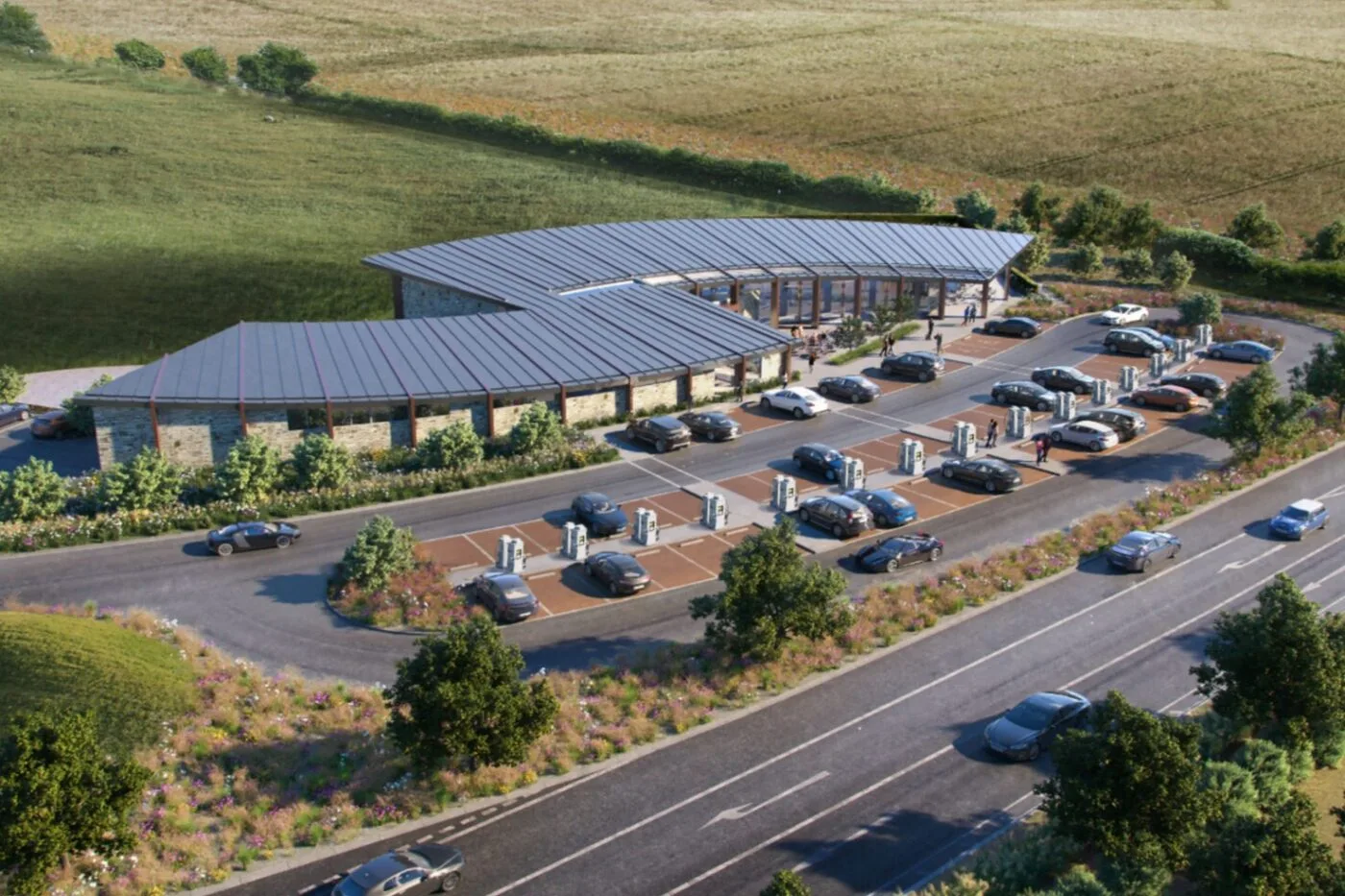
InstaVolt has secured a robust 40-year lease agreement to establish a colossal ultra-rapid charging hub in Wiltshire, strategically located along the A303 corridor. This ambitious project, slated for a Spring 2026 opening, will feature an impressive array of 30 high-speed charging points, complemented by on-site solar power generation and substantial battery storage capabilities. Beyond pure charging, the site will also integrate essential food and retail amenities, partnering with a prominent UK operator to enhance the user experience. This holistic approach signals a maturing EV charging ecosystem, moving beyond basic utility to comprehensive service provision.
Strategic Location and Government Impetus Drive EV Adoption
The chosen location in Cricklade, approximately ten miles west of the iconic Stonehenge within the Fonthill Estate, is far from arbitrary. The A303 represents a critical artery within the UK’s Strategic Road Network, a route that both the government and National Highways have specifically earmarked for enhanced EV infrastructure development. Recent initiatives include improved signage aimed at increasing visibility for available charge points and raising awareness among drivers yet to transition to electric vehicles. This proactive governmental push to integrate EV charging into the national transport fabric serves as a powerful signal to investors: the transition is not merely market-driven but actively facilitated by policy, potentially accelerating the erosion of demand for conventional liquid fuels.
InstaVolt’s Chief Executive, Delvin Lane, articulated the company’s vision for the site, emphasizing its dual role as a crucial charging destination and a testament to renewable energy innovation. Lane highlighted the project’s commitment to scale, sustainability, and convenience, reinforcing the strategic intent behind integrating 30 ultra-rapid chargers with on-site amenities like a farm shop and café. For oil and gas investors, such expansive and integrated projects represent a direct competitive force, challenging the long-established dominance of petrol stations as the primary refueling points along major roadways.
Integrated Renewable Energy Model: A Blueprint for Future Charging
The Cricklade hub mirrors the successful model pioneered by InstaVolt’s Winchester Superhub, which commenced operations in March. The Winchester facility demonstrates a sophisticated integration of on-site battery storage and solar power generation, a design choice that enables periods of discounted charging for consumers. At Winchester, users have benefited from energy rates as low as 50 pence per kilowatt-hour, a compelling proposition against fluctuating grid prices and a clear competitive advantage. This model leverages 870 solar panels and 4 megawatts of advanced battery storage technology, utilizing a blend of solar energy, stored power, and renewable grid supply to maintain optimal charger performance. The replication of this advanced energy management system at Cricklade underscores a strategic commitment to energy independence and cost efficiency within the EV charging sector.
From an investment perspective, this integrated renewable energy approach is significant. It mitigates reliance on grid stability and pricing volatility, offering a more resilient and potentially more profitable operational model. For traditional energy companies, this represents a new frontier in distributed energy generation and consumption, a segment where oil and gas majors are increasingly seeking to diversify or face potential disruption. The ability to offer competitive charging rates through self-generated renewable energy could significantly influence consumer adoption rates, further impacting long-term gasoline and diesel demand forecasts.
Execution Momentum: A Clear Path to Deployment
The development timeline for the Cricklade hub suggests robust planning and efficient execution. Crucially, all necessary planning consents and grid connection agreements are already firmly in place. InstaVolt has collaborated with the Fonthill Estate and its advisors over a two-year period to meticulously finalize the development details, ensuring a smooth progression. With construction scheduled to commence in the coming month, the project demonstrates a readiness for rapid deployment. This operational efficiency and pre-secured regulatory approvals highlight a sector that is not only conceptualizing large-scale projects but is also successfully navigating the complexities of their implementation, signaling a maturing investment landscape.
Broader Implications for Oil & Gas Investors
The relentless expansion of ultra-rapid EV charging networks, exemplified by InstaVolt’s latest venture, carries profound implications for the oil and gas sector. Each new hub with 30 ultra-rapid chargers represents a tangible reduction in the demand for internal combustion engine vehicles and, consequently, for refined petroleum products. As governments actively promote EV adoption through infrastructure development and policy support, the timeline for peak oil demand could be accelerated, posing strategic challenges for companies heavily invested in exploration, production, and refining capacity.
Investors in oil and gas must closely monitor the capital allocation within the energy sector. The significant long-term lease (40 years) secured for this project underscores the confidence and long-term commitment of investors in the EV charging space. This contrasts with the increasing scrutiny and pressure on new fossil fuel projects, which often face heightened environmental, social, and governance (ESG) considerations and uncertain long-term demand projections. The shift in investment focus from traditional energy sources to renewable-powered infrastructure signals a fundamental re-evaluation of energy asset valuations.
The competitive landscape is also evolving. Traditional fuel retailers face the strategic imperative of adapting their business models or risking obsolescence as comprehensive EV charging hubs, powered by sustainable energy, emerge as the preferred stop for drivers. The integration of food and retail amenities at these new hubs mirrors and potentially surpasses the convenience offered by many existing petrol stations, creating a compelling value proposition for EV users.
The Road Ahead: Navigating the Energy Transition
The development of InstaVolt’s Wiltshire Superhub is more than just another charging station; it is a clear indicator of the accelerating energy transition and the strategic shifts occurring within the broader energy market. For oil and gas investors, understanding the scale, speed, and governmental backing behind such projects is crucial for accurately forecasting future demand for crude oil and refined products. The electrification of transport, supported by robust, renewable-powered charging infrastructure, is no longer a distant prospect but a rapidly unfolding reality that demands continuous re-evaluation of investment strategies within the dynamic global energy landscape.