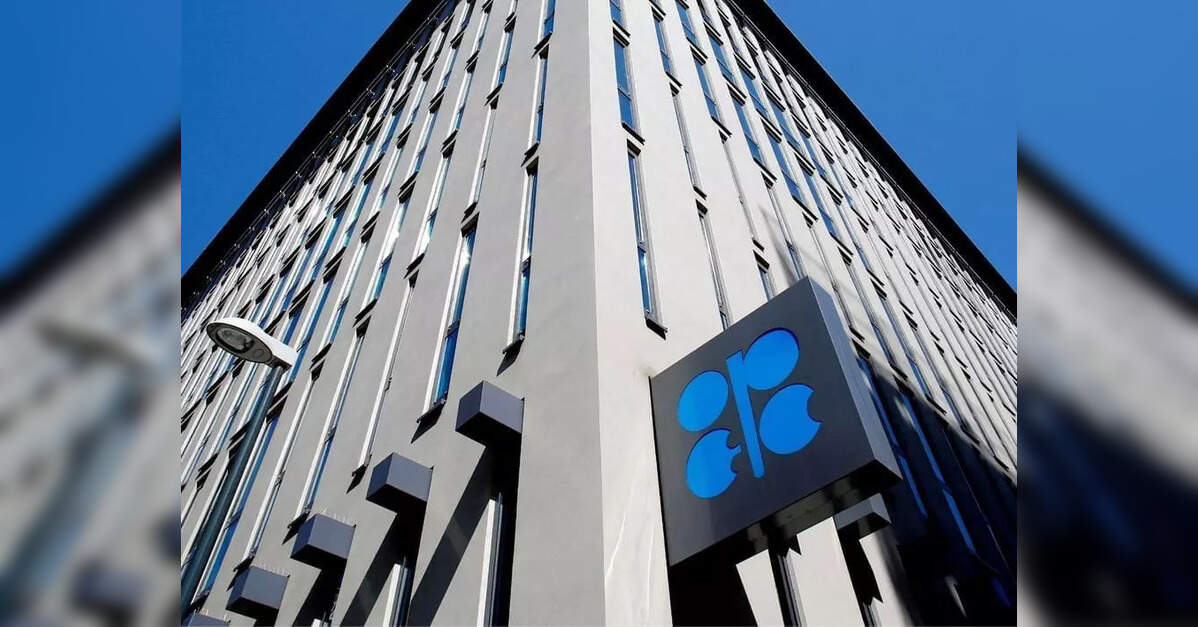
India’s latest strategic energy maneuvers signal a robust commitment to both bolstering domestic exploration and production and fortifying its global energy supply chains. Petroleum and Natural Gas Minister Hardeep Singh Puri’s recent engagements at the 9th OPEC International Seminar underscore a proactive approach to securing the nation’s energy future, particularly as India positions itself as a critical player in global demand dynamics. For investors tracking the evolving energy landscape, these developments present a compelling narrative of growth, diversification, and a determined push for market stability, directly influencing long-term commodity outlooks and regional investment opportunities.
Unlocking India’s Upstream Potential and Attracting Global Majors
India is embarking on one of the world’s most ambitious exploration and production (E&P) initiatives, preparing to open nearly 2.5 lakh square kilometers of new offshore and onshore acreage for bidding. This substantial expansion directly addresses the nation’s escalating energy demand and its strategic imperative to reduce import dependency. The scale of this opportunity has already captured the attention of global energy giants, with Minister Puri engaging directly with Shell CEO Wael Sawan and bp CEO Murray Auchincloss to discuss potential collaborations.
For investors, this signals a significant opportunity in India’s upstream sector. Shell’s interest, coupled with bp’s established presence through OALP bidding rounds and joint ventures in retail, natural gas, and compressed biogas, highlights the attractiveness of this market. India’s ambitious target to raise the share of natural gas in its energy mix from 6% to 15% further amplifies the scope for partnerships, particularly in advanced exploration and production technologies. This domestic gas push is a crucial factor for those evaluating Asian LNG spot prices and future gas demand projections, as India’s increasing self-sufficiency in gas could reshape regional market dynamics and investment flows into infrastructure and LNG terminals.
Fortifying Supply Chains Amidst Shifting Market Dynamics
Beyond domestic E&P, India is actively strengthening its international energy partnerships to ensure a resilient and diversified supply chain. Minister Puri’s discussions with Kuwaiti Oil Minister Tareq Sulaiman Al-Roumi emphasized deepening bilateral energy ties. Kuwait is a significant partner, ranking as India’s sixth-largest source of crude oil, fourth-largest source of LPG, and eighth-largest overall hydrocarbon trade partner. Similarly, engagements with Nigeria’s Minister of State for Petroleum Resources Heineken Lokpobiri explored expanded hydrocarbons trade, building on Indian refiners’ consistent demand for Nigerian crude.
These strategic alliances are particularly pertinent given the current market volatility. As of today, Brent crude trades at $94.93 per barrel, reflecting a modest daily uptick of 0.15%, while WTI sits at $91.39. This comes after Brent experienced a nearly 9% decline over the past 14 days, moving from $102.22 to $93.22. In this environment, securing reliable and diverse crude and LPG supplies becomes paramount for a major importer like India. The meeting with Vitol Group CEO Russel Hardy to review global energy market conditions and discuss cooperation across the hydrocarbons value chain further underscores India’s focus on navigating these complex market dynamics and ensuring energy security.
Navigating Geopolitics and Contributing to Global Price Stability
A key aspect of India’s energy diplomacy revolves around its pragmatic approach to securing supplies, especially in the context of geopolitical uncertainties. Minister Puri directly addressed questions regarding India’s crude oil imports from Russia, clarifying that Indian companies have not purchased sanctioned cargoes and that Russian oil was subject only to a price cap, not outright global sanctions. His assertion that India contributed to global price stability by absorbing a significant volume of Russian crude – preventing a potential 10% reduction in global oil supplies – offers a crucial perspective for investors seeking to build a base-case Brent price forecast for the next quarter.
India’s actions prevented a more severe global energy crisis, demonstrating its influence on market equilibrium. This proactive stance, coupled with domestic policies like ensuring affordable LPG for 330 million households, highlights India’s commitment to both national energy security and broader market stability. For investors evaluating the consensus 2026 Brent forecast, India’s continued demand growth, its strategic diversification of supply sources, and its role in mitigating supply shocks will remain critical variables influencing global oil prices.
The Road Ahead: OPEC+ Decisions and India’s Evolving Role
India’s discussions with OPEC Secretary General Haitham Al Ghais regarding the need for a balanced and predictable oil market take on added significance with upcoming calendar events. Investors will be keenly watching the OPEC+ Joint Ministerial Monitoring Committee (JMMC) meeting on April 18th, followed by the full OPEC+ Ministerial meeting on April 20th. These meetings are pivotal for determining future crude oil production policies, and India’s advocacy for market stability will certainly be a factor in the broader dialogue. Any decisions made at these gatherings will directly impact the supply side of the global oil equation, which India, as the world’s third-largest oil importer, significantly influences through its demand. The outcomes will also provide critical inputs for analysts assessing the performance of major oil companies and the overall trajectory of crude prices in the near term.
Looking further ahead, India’s ambitious exploration push and its commitment to increasing natural gas in its energy mix from 6% to 15% underscore a long-term shift. This dual strategy of securing traditional hydrocarbon supplies while aggressively pursuing cleaner energy sources presents multifaceted investment opportunities across the energy value chain, from upstream E&P to gas infrastructure and advanced energy technologies. India’s evolving energy landscape is set to remain a dynamic and influential force in global energy markets for the foreseeable future.


