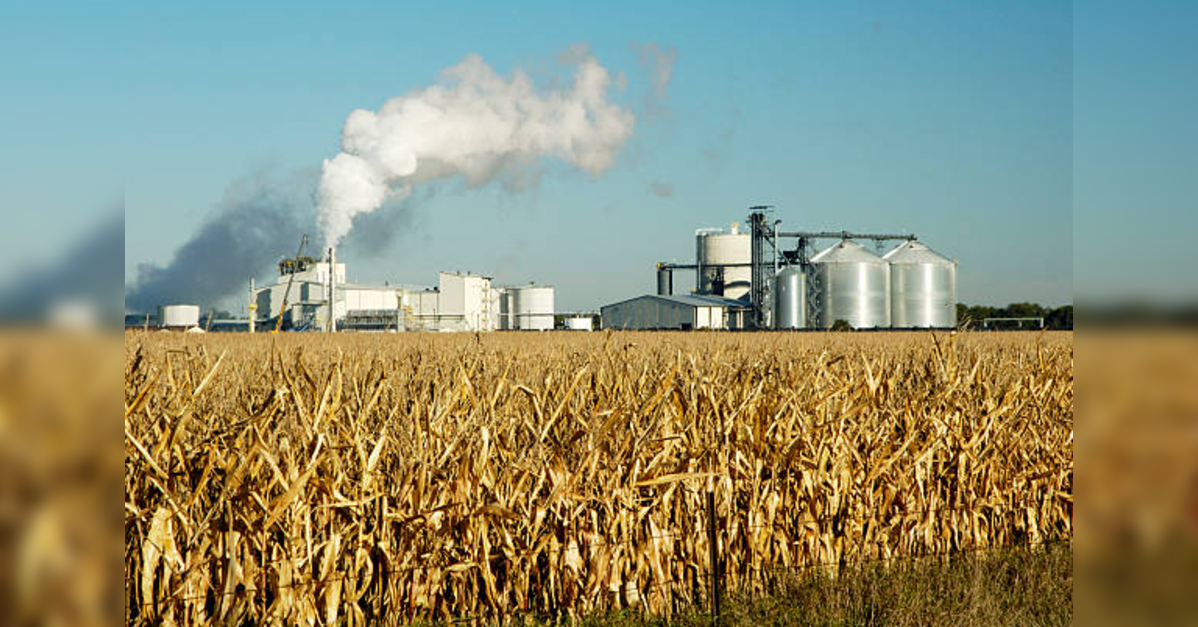
India is aggressively repositioning its energy strategy, moving beyond traditional fossil fuel dependence to champion a robust biofuel ecosystem. The nation’s Union Food Minister, Pralhad Joshi, has issued a clear directive to sugar mills: ramp up ethanol production, not just for domestic consumption, but with an ambitious eye on international export markets. This pivot holds significant implications for global energy markets, agricultural commodities, and the investment landscape, signaling a structural shift that merits close attention from oil and gas investors.
The Domestic Imperative: Hedging Against Volatility
India’s ethanol blending program is not merely an environmental initiative; it is a critical component of its energy security architecture. The country has successfully elevated ethanol blending with petrol from a mere 1.5% in 2014 to an impressive 20% this year. This dramatic increase has translated into substantial economic benefits, saving approximately ₹1.44 lakh crore in foreign exchange that would otherwise have been spent on crude oil imports. Such a strategic move offers a tangible hedge against the volatile global crude market. As of today, Brent crude trades at $90.38, marking a significant daily drop of 9.07% from an opening price of $98.97. This volatility, contrasted with its recent peak of $112.78 just weeks ago on March 30th, underscores India’s strategic push into biofuels. For a major energy importer like India, domestic ethanol production provides a crucial buffer against unpredictable price swings and geopolitical disruptions, enhancing the nation’s energy independence and economic stability.
Fueling Growth: Sugar Mills and Export Horizons
The government’s biofuel policy has been instrumental in enabling sugar mills to diversify their revenue streams, moving beyond sugar production to become significant players in the energy sector. This diversification also ensures timely payments to farmers, creating a more stable and profitable agricultural ecosystem. The Indian Sugar and Bio-energy Manufacturers Association (ISMA) projects a gross sugar output of 34.9 million tonnes for 2025–26, with a substantial 4.5–5 million tonnes expected to be diverted towards ethanol production. Minister Joshi’s call for ethanol exports further elevates the sector’s potential. Our first-party data indicates investors are keenly asking about the future trajectory of oil prices, with questions like “what do you predict the price of oil per barrel will be by end of 2026?” frequently surfacing. India’s aggressive ethanol strategy provides a tangible answer to how major demand centers are actively seeking to mitigate crude price exposure, simultaneously creating new export opportunities for its agricultural sector. This strategy presents a compelling investment case for companies positioned within the biofuel supply chain, from agricultural feedstock to processing and logistics.
Policy Crossroads: Price, Production, and Future Blending
While the ethanol blending program has been a resounding success, the industry faces ongoing challenges. Sugar mills have been pressing for a price hike for ethanol, a decision the government has indicated it will make at the “right time,” balancing the interests of farmers, consumers, and the industry itself. This delicate policy tightrope walk is crucial for sustaining the momentum of the biofuel program. Food Secretary Sanjeev Chopra confirmed that 99% of sugarcane dues for 2023–24 have been paid and over 96% cleared for the current season, highlighting the positive impact of the current policy framework on farmers. Looking ahead, fresh estimates of sugarcane production, backed by digital crop surveys and physical verification, are expected soon. These updated figures will be critical for assessing future ethanol supply potential. Furthermore, Road Transport and Highways Minister Nitin Gadkari revealed that efforts to blend ethanol with diesel have not yet succeeded, with experiments continuing. Success in this area would unlock an even larger market for ethanol, significantly expanding its footprint in the transportation sector. These internal policy developments and production forecasts are critical calendar events for investors tracking India’s energy transition, offering direct insight into the market fundamentals for biofuels.
Strategic Investment Outlook
For oil and gas investors, India’s deepening commitment to ethanol represents both a potential long-term demand headwind for traditional crude and a burgeoning opportunity in alternative energy. The sustained push for domestic production and export ambitions underscores a global trend towards diversification away from fossil fuels. Companies with exposure to India’s agricultural sector, sugar processing, biofuel technology, or renewable energy infrastructure stand to benefit significantly from this strategic shift. The government’s clearance for the sale of three million tonnes of wheat from its stocks through auction until March 2026, while separate, also points to a robust agricultural management strategy that could indirectly support feedstock availability for biofuels. While global crude prices will always be influenced by major supply decisions, such as the upcoming OPEC+ Joint Ministerial Monitoring Committee (JMMC) meeting on April 18th and the full Ministerial meeting on April 19th, India’s internal ethanol policy is becoming an increasingly significant variable for long-term demand projections. Investors should monitor developments in ethanol pricing, production estimates, and the progress of diesel blending trials as key indicators of future growth and potential market disruption in one of the world’s largest energy consumers. The strategic intent is clear: India is building a resilient, diversified energy future, and ethanol is at its core.


