India’s Energy Boom: A Deeper Dive into Demand Drivers and Investment Opportunities
India’s energy sector is undergoing a profound transformation, driven by robust domestic demand and strategic infrastructure development. The nation’s rapid expansion in LPG connections, natural gas networks, and refining capacity presents a compelling narrative for global oil and gas investors. While international energy markets grapple with volatility, India’s internal growth dynamics offer a distinct counter-cyclical opportunity, underpinned by a massive and growing consumer base. Our proprietary data pipelines highlight significant market shifts and upcoming events that will shape this trajectory, providing critical insights beyond headline figures.
Surging LPG Connections Signal Enduring Household Demand Growth
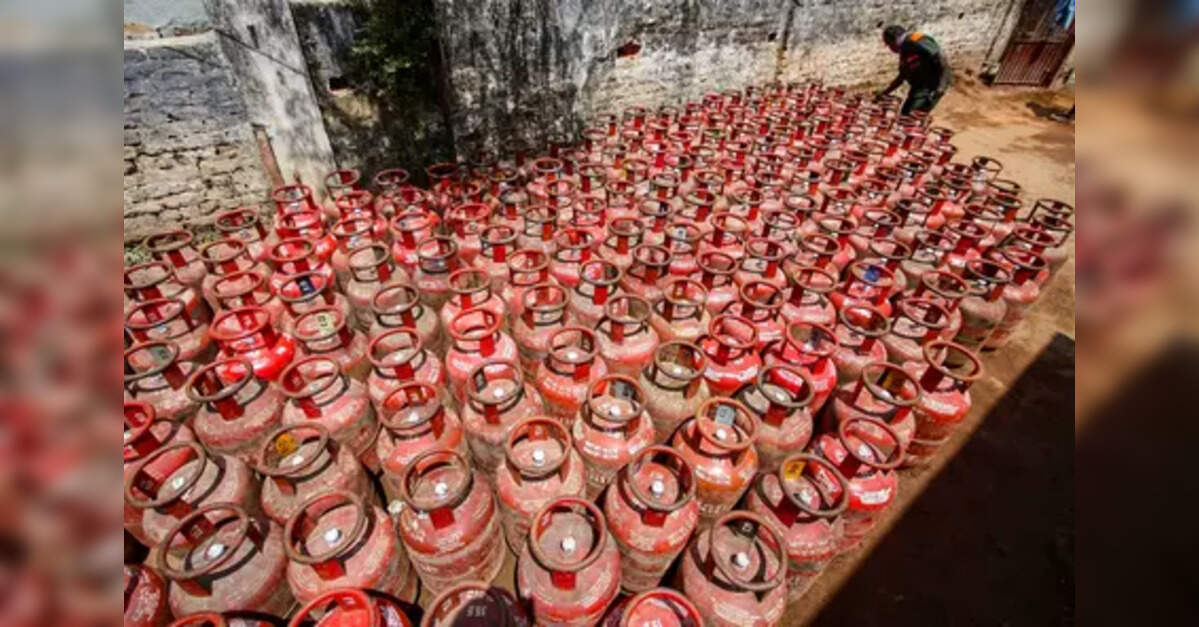
The expansion of India’s liquefied petroleum gas (LPG) connections stands out as a primary driver of energy demand. Before 2014, India had approximately 14 crore LPG connections; today, that figure has soared to over 33 crore, representing a monumental increase in household energy access. This growth is not merely about infrastructure but reflects a fundamental shift in consumption patterns, particularly among economically weaker sections benefiting from initiatives like the Pradhan Mantri Ujjwala Yojana, which recently announced 25 lakh new connections, bringing its total to around 10.60 crore. For investors, this translates into a stable and expanding base of demand for LPG, a critical refined product. Companies involved in LPG import, bottling, and distribution stand to benefit from this sustained trajectory, as millions of households transition to cleaner and more efficient cooking fuels, improving air quality and reducing emissions across the country.
Natural Gas Infrastructure Paves the Way for Cleaner Energy Transition
Beyond LPG, India’s commitment to natural gas as a cleaner fuel source is clearly visible in its infrastructure expansion. The country’s natural gas pipeline network has grown significantly, from 14,000 km to over 22,500 km, laying the groundwork for increased penetration of compressed natural gas (CNG) and piped natural gas (PNG). Indraprastha Gas Limited (IGL), a key player in this sector, exemplifies this growth. The company today operates 956 CNG stations, accounting for nearly 12 percent of India’s total, and supplies PNG to over 30.7 lakh households, 5,300 industries, and 7,100 commercial establishments, selling 9.3 MMSCMD of natural gas daily and refueling 22 lakh CNG vehicles. IGL’s new Smart Gas Meter Manufacturing facility, set to begin production of one million meters annually in October, further underscores the investment in modernizing and expanding the city gas distribution network. This strategic push towards natural gas offers significant investment opportunities in gas transmission, distribution, and associated technologies, supporting India’s energy transition goals while meeting burgeoning industrial and residential demand.
Navigating Global Market Headwinds: India’s Resilience Amidst Volatility
While India’s domestic energy demand story is robust, investors are acutely aware of the broader global crude market dynamics. As of today, Brent Crude trades at $90.38, marking a sharp -9.07% decline within the day, extending a significant $-22.4 (-19.9%) drop over the past 14 days from $112.78. WTI Crude mirrors this volatility, currently at $82.59, down -9.41%. Gasoline prices have also seen a downturn, trading at $2.93, a -5.18% daily decrease. This market instability raises questions among our readers regarding future oil prices, with many asking for predictions for the price of oil per barrel by the end of 2026. India, as a major crude importer, is directly impacted by these fluctuations. However, the nation’s consistent internal demand growth provides a degree of insulation, offering a more predictable demand curve for refined products even as crude feedstocks fluctuate. For sophisticated investors, India’s refining sector, already the world’s fourth largest and poised to become the third, presents opportunities to capitalize on processing margins and domestic product demand, potentially mitigating some of the direct exposure to crude price volatility.
Forward-Looking Catalysts and Investor Outlook
Looking ahead, several key events will shape the energy landscape, influencing investment decisions in India and globally. The upcoming OPEC+ Ministerial Meeting on April 19th is a critical date, as any decisions on production quotas will directly impact global crude supply and pricing. Investors are keenly interested in OPEC+’s current production strategies, a frequent query among our readership. Following this, the API Weekly Crude Inventory reports on April 21st and 28th, along with the EIA Weekly Petroleum Status Reports on April 22nd and 29th, will provide near-term insights into U.S. supply-demand balances, which often ripple through international markets. India’s own exploration and production efforts, including promising results from recent finds in the Andaman region, suggest a long-term strategy to enhance domestic supply security. These developments, combined with India’s increasing refining capacity, position the nation as a pivotal player in the global energy matrix. Investors should monitor these upcoming events closely, weighing their potential impact on crude prices against India’s undeniable, long-term growth in energy consumption and infrastructure development.


