The global oil market is once again grappling with the complexities of geopolitical maneuvering, as the United States employs tariffs as a tool to influence international oil trade flows. Recent announcements have signaled a distinct two-tiered approach from Washington, applying immediate financial penalties on India for its continued reliance on Russian crude, while granting a temporary reprieve to China. This strategy creates a fascinating dynamic for energy investors, raising questions about future supply stability, demand patterns, and the very structure of global energy alliances. Understanding these nuanced shifts, especially with critical market data and upcoming events on the horizon, is paramount for navigating the evolving landscape of oil and gas investing.
India’s Tariff Burden: A Test Case for Energy Diplomacy
The imposition of an additional 25% tariff on Indian exports to the US, bringing the total duty to a substantial 50%, marks a significant escalation in Washington’s efforts to curtail Russian oil revenues. This move, explicitly linked to New Delhi’s ongoing purchases of Russian crude, is set to take effect on August 27. India has publicly maintained its stance of buying oil based purely on economic considerations, suggesting a potential standoff. This situation creates a critical test case for how effective such punitive measures are in altering established energy trade routes. For investors, the long-term implications for Indian refiners and their access to diversified crude sources are significant, potentially increasing their operational costs or forcing them to seek alternatives, which could ripple through global demand patterns. The sheer volume of India’s oil consumption, a major driver of global demand, means any disruption or shift in its procurement strategy will be closely watched.
China’s Strategic Reprieve and Market Implications
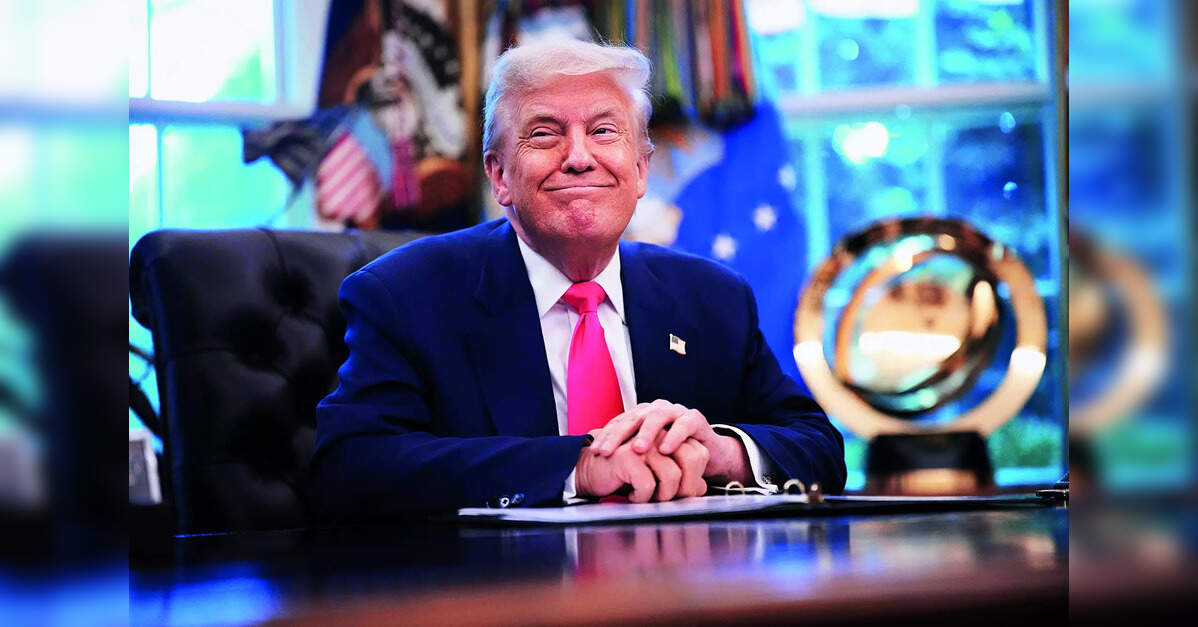
In contrast to India, China has, for the moment, been spared similar retaliatory tariffs despite being Russia’s largest oil buyer. This selective application of pressure is largely influenced by ongoing trade negotiations between Washington and Beijing, aimed at easing broader economic tensions. While US President Trump indicated he might revisit the issue “in two or three weeks,” the current reprieve offers China a strategic advantage in securing its energy needs from Russia at potentially discounted rates. Our proprietary reader intent signals indicate a keen investor interest in understanding the operational status of Chinese tea-pot refineries this quarter. This data point underscores the market’s focus on China’s demand strength. Should Washington eventually extend tariffs to Beijing, the scale of impact would be far greater, potentially forcing a significant re-routing of global crude flows and creating immense price volatility. For now, China’s exemption allows its refining sector to operate with a degree of certainty regarding its Russian crude supply, a factor that supports stable demand from the world’s largest importer.
Crude Volatility Amid Geopolitical Uncertainty
The immediate market reaction to such geopolitical developments is often reflected in price volatility. As of today’s close, Brent crude futures are trading at $98.2 per barrel, marking a 3.44% increase for the day. WTI crude also saw an uptick, reaching $90.14 per barrel, up 2.28%. This daily surge suggests a renewed geopolitical risk premium being priced in, perhaps anticipating future supply disruptions or a broader escalation. However, zooming out, our proprietary data shows that the 14-day trend for Brent crude has been significantly downward, falling from $108.01 on March 26 to $94.58 on April 15 – a decline of 12.4%. This divergence highlights the market’s current struggle to balance underlying bearish demand signals or ample supply with sudden bursts of geopolitical uncertainty. Investors are navigating a complex environment where short-term news can trigger sharp movements, even against a backdrop of longer-term price erosion. The ongoing tariffs, or threats thereof, contribute directly to this heightened state of uncertainty, making risk management more critical than ever.
Navigating the Near-Term: Key Investor Considerations and Upcoming Events
Investors are actively seeking clarity on future price trajectories, with our internal data revealing a strong interest in base-case Brent price forecasts for the next quarter and consensus 2026 forecasts. The current geopolitical machinations add a substantial layer of complexity to these projections. Looking ahead, the energy calendar is packed with events that will shape the market’s response. The Baker Hughes Rig Count reports on April 17 and April 24 will offer insights into North American supply dynamics, while the API Weekly Crude Inventory (April 21, April 28) and EIA Weekly Petroleum Status Report (April 22, April 29) will provide crucial updates on US stockpiles. Most critically, the upcoming OPEC+ meetings – the JMMC on April 18, followed by the Full Ministerial meeting on April 20 – will be pivotal. Any adjustments to production quotas by the cartel, particularly in response to perceived demand weakness or supply tightness exacerbated by geopolitical risks, could significantly sway prices. The interplay between these fundamental supply/demand indicators and the evolving tariff landscape will dictate short-to-medium term crude pricing, requiring investors to remain highly agile in their portfolio strategies.


