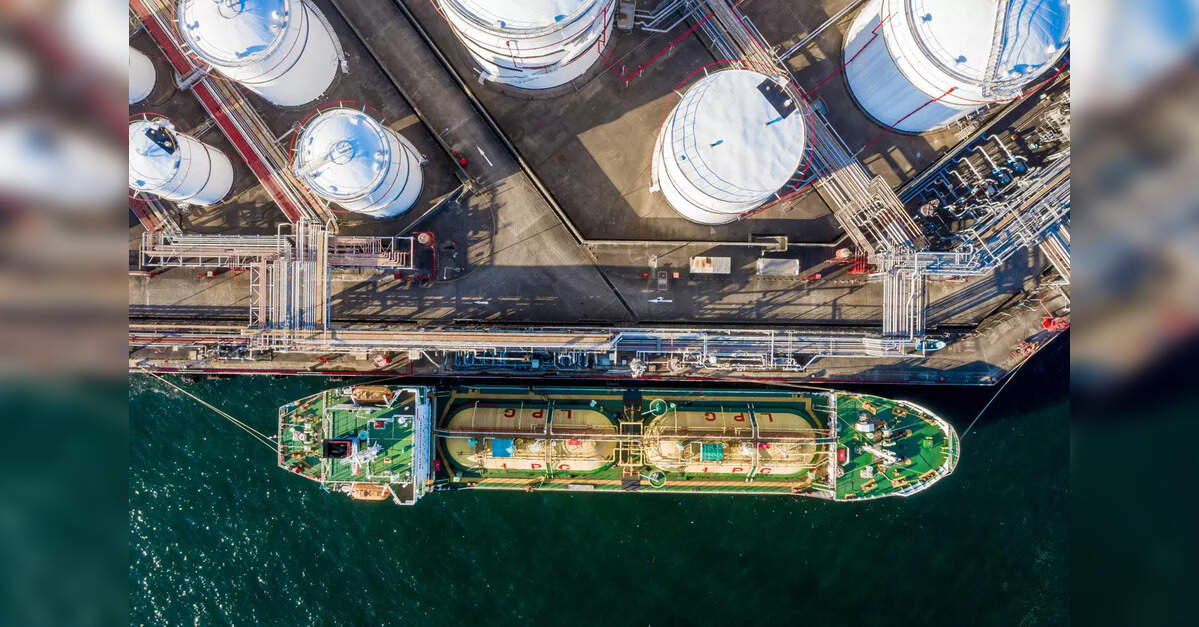
India’s Strategic Energy Pivot: A New Era for Global LPG Trade
India’s decision to extend the deadline for its inaugural long-term tender for US liquefied petroleum gas (LPG) to October 17, 2025, marks a critical juncture in the global energy landscape. This strategic move by the world’s third-largest oil importer and consumer signals a profound shift in its energy diversification strategy, moving beyond traditional Middle Eastern suppliers. For investors, this tender represents more than just a procurement exercise; it’s a foundational step towards rebalancing global LPG flows and offers significant long-term implications for both Indian and US energy companies, particularly those involved in production, midstream infrastructure, and export capabilities.
Geopolitical Drivers and Diversification Imperatives
The core motivation behind India’s pivot is multi-faceted. On one hand, the nation seeks to enhance its energy security by diversifying away from its heavy reliance on Middle Eastern LPG suppliers, which currently account for over 90% of its approximately 20.5 million metric tons of annual imports. This move is a clear signal to traditional partners like Saudi Aramco, which has already responded by cutting official selling prices for propane by $25 to $495 per ton and butane by $15 to $475 per ton, highlighting the intensifying competition for market share. On the other hand, the tender is deeply intertwined with broader geopolitical objectives, specifically India’s efforts to narrow its trade surplus with the United States. By committing to source about 10% of its cooking gas imports from the US starting in 2026 – an estimated 2 million metric tons or roughly 48 very-large gas carriers – New Delhi aims to foster a mutually beneficial trade relationship and potentially mitigate the risk of tariffs on its goods. This strategic realignment creates a robust demand floor for US LPG exports, offering stability amidst global market volatility.
Navigating a Volatile Crude Market: Implications for LPG
The timing of this tender extension comes amidst significant shifts in the broader energy market. As of today, Brent crude trades at $90.38 per barrel, marking a sharp 9.07% decline for the day, with WTI crude similarly down 9.41% to $82.59. This daily volatility is part of a larger trend; Brent has seen a significant drawdown of nearly 20% over the last two weeks, falling from $112.78 on March 30 to its current level. While LPG is a distinct product from crude, its pricing often correlates with crude and natural gas liquids (NGLs), making the current bearish sentiment in the crude market a critical backdrop for long-term contract negotiations. For US-based LPG producers and exporters, this macro environment could influence their bidding strategies, potentially offering competitive advantages given their abundant domestic supply and robust export infrastructure. Investors should monitor how these broader crude price movements translate into NGL and LPG spot and contract prices, as they directly impact the profitability of any awarded tender.
Upcoming Milestones and Forward-Looking Analysis
The extended October 17 deadline for India’s LPG tender is a key near-term event that will shape investment decisions for years to come. The award of this tender, expected shortly after the deadline, will not only solidify a new supply corridor but also set a precedent for future energy trade agreements. Beyond this specific tender, the broader energy calendar is packed with events that will influence market sentiment and price discovery. Investors will be closely watching the upcoming OPEC+ Joint Ministerial Monitoring Committee (JMMC) meeting on April 19, followed by the full OPEC+ Ministerial Meeting on April 20. The outcomes of these meetings, particularly regarding production quotas, will directly impact global crude supply and, by extension, the NGL market. Furthermore, the weekly API and EIA crude inventory reports (April 21/28 and April 22/29, respectively) and the Baker Hughes Rig Count (April 24 and May 1) will provide vital insights into US supply dynamics. These events, while not directly about the Indian LPG tender, collectively paint the picture of the global energy supply-demand balance, influencing the long-term viability and profitability of new trade routes established by such agreements.
Addressing Investor Concerns and Long-Term Value Creation
Our proprietary market intelligence indicates that investors are keenly focused on the long-term trajectory of energy prices, with questions like “What do you predict the price of oil per barrel will be by end of 2026?” consistently trending. This underscores a desire for stability and predictability in a volatile market. India’s long-term LPG tender, by establishing a multi-year supply agreement, offers a degree of certainty that can be highly attractive to investors. While the tender is for LPG, its successful execution contributes to overall energy market diversification, potentially reducing geopolitical risk premiums on crude and fostering more stable global energy prices over the long run. For investors seeking exposure to this evolving landscape, companies with significant US LPG production, robust midstream assets, and well-established export terminals stand to benefit significantly. The long-term, high-volume nature of this tender suggests sustained revenue streams and underscores the growing importance of infrastructure investments in connecting global supply to burgeoning demand centers. This strategic shift by India is a powerful signal for capital allocation in the coming years, favoring resilient and geographically diversified energy portfolios.


