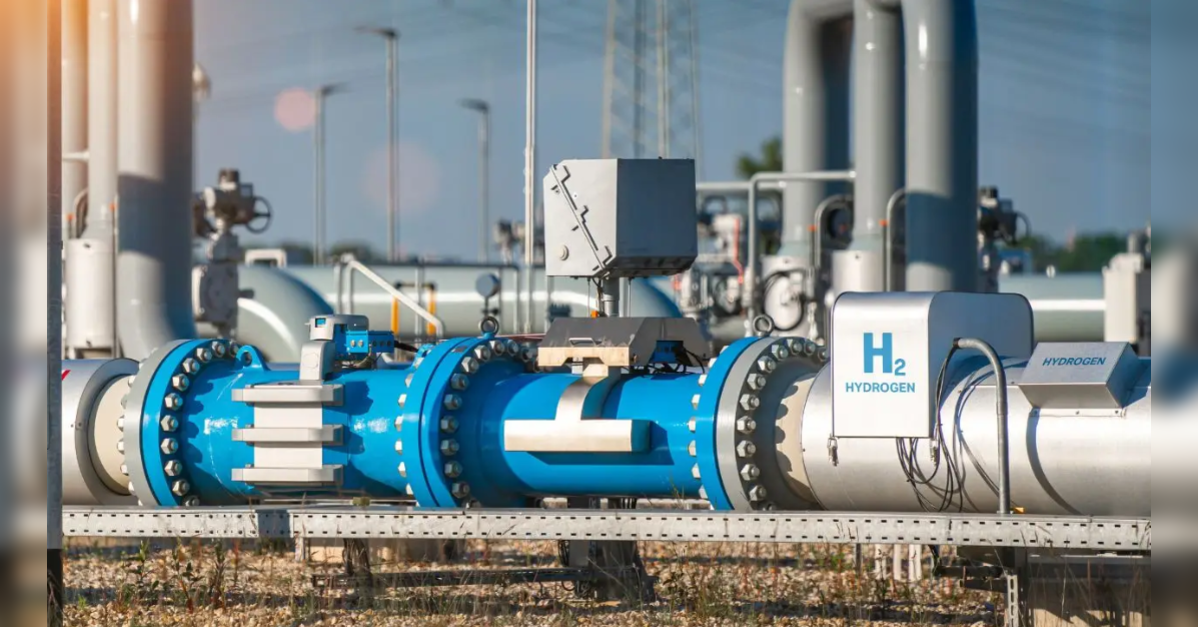
The International Energy Agency (IEA) recently delivered a significant reality check to the burgeoning low-emissions hydrogen sector, slashing its 2030 production forecast by a formidable 25%. This downward revision, moving from an earlier projection of 49 million metric tons per year (MMtpa) to just 37 MMtpa, signals a more challenging, albeit still growing, path for a fuel often touted as a cornerstone of the global energy transition. For sophisticated oil and gas investors, this isn’t just a number change; it’s a critical indicator of the persistent hurdles facing decarbonization efforts, particularly concerning cost competitiveness, policy uncertainty, and the practicalities of scaling new technologies amidst a volatile traditional energy market. This analysis delves into the implications of the IEA’s revised outlook, integrating proprietary market data and forward-looking insights to equip investors with a comprehensive understanding of the hydrogen investment landscape.
The Sobering Reality of Hydrogen Project Attrition
The IEA’s revised forecast underscores a stark truth: not all announced projects reach completion. The 25% cut in anticipated low-emissions hydrogen output for 2030 stems from a wave of project cancellations, escalating cost pressures, and an overarching environment of policy uncertainty. While the new target of 37 MMtpa by 2030 still represents substantial growth, the IEA cautions that actual output could be even lower, reflecting the inherent risks in large-scale infrastructure development. Despite these headwinds, the report highlights a positive trend in operational capacity: projects already operating, under construction, or having reached a final investment decision (FID) are projected to climb more than five-fold from 2024 levels, exceeding 4 MMtpa by 2030. This suggests that while ambitious pipeline projects face significant attrition, the core foundation for a low-emissions hydrogen economy is indeed being built, albeit at a slower pace than initially hoped. An additional 6 MMtpa could materialize by 2030 if governments enact robust demand-creation policies and accelerate infrastructure build-out, emphasizing the critical role of supportive regulatory frameworks in unlocking further growth potential.
Cost Competitiveness: A Persistent Headwind Amidst Market Volatility
The primary hurdle for low-emissions hydrogen remains its cost competitiveness against established fossil fuel alternatives. This challenge has been exacerbated in recent months by shifts in the broader energy market. The IEA specifically noted that falling natural gas prices have widened the cost gap in favor of fossil-based hydrogen, making it harder for green alternatives to compete economically. This dynamic is particularly relevant for investors monitoring the current energy landscape. As of today, April 18, 2026, Brent Crude trades at $90.38 per barrel, marking a significant 9.07% decline within the day, while WTI Crude stands at $82.59, down 9.41%. This steep downturn follows a broader trend, with Brent crude having fallen from $112.78 on March 30 to $91.87 just yesterday. Such pronounced volatility and downward pressure on conventional energy prices inevitably amplify the economic pressures on nascent low-emissions technologies. Furthermore, higher electrolyser prices have also weighed heavily on low-carbon projects, offsetting some of the anticipated cost reductions from scale. While the IEA optimistically forecasts a narrowing of this cost gap by 2030 due to technological advancements, strong renewables growth in key regions, and new regulations, the immediate investment environment remains challenging for projects banking solely on future cost parity.
Navigating Uncertainty: Upcoming Events and Investor Focus
The path forward for energy investors, particularly those eyeing the low-emissions hydrogen sector, is inextricably linked to the broader dynamics of the oil and gas markets. Our proprietary data indicates that investors are keenly focused on the trajectory of crude oil prices, with questions like “what do you predict the price of oil per barrel will be by end of 2026?” frequently surfacing. This long-term price outlook directly influences the perceived competitiveness of fossil fuels against emerging alternatives like green hydrogen. The immediate horizon presents several critical events that could shape this outlook. The upcoming OPEC+ Joint Ministerial Monitoring Committee (JMMC) and Full Ministerial meetings on April 18 and 19, respectively, are pivotal. Decisions from these gatherings regarding production quotas – another area of high investor interest, as evidenced by queries about “What are OPEC+ current production quotas?” – will directly impact global crude supply and, consequently, price stability. Following these, the API Weekly Crude Inventory reports on April 21 and 28, alongside the EIA Weekly Petroleum Status Reports on April 22 and 29, will provide further short-term price signals. For hydrogen investors, sustained lower crude and natural gas prices resulting from these events could further delay the economic viability of low-emissions projects. Conversely, any supply tightening or demand surge that pushes fossil fuel prices higher could accelerate the adoption and investment in cleaner alternatives, creating a more favorable environment for low-emissions hydrogen projects to secure the necessary capital.
Regional Dynamics and Supply Chain Realities in Hydrogen Production
The global low-emissions hydrogen landscape is not uniform, with distinct regional dynamics influencing investment opportunities and supply chain resilience. China currently dominates the electrolyser manufacturing sector, accounting for an impressive 65% of global capacity that is either installed or at a final investment decision, and nearly 60% of worldwide electrolyser manufacturing capacity. This concentration presents both opportunities and risks. While China’s scale can drive down equipment costs globally, manufacturers outside China face financial strain due to rising costs and slower uptake. Furthermore, Chinese firms themselves may confront future challenges as their substantial manufacturing capacity, exceeding 20 gigawatts per year, outstrips current global demand. An IEA analysis found that installing Chinese-made electrolysers outside China offers no significant cost advantage over other producers once transport costs and tariffs are factored in, suggesting that a purely cost-driven import strategy may not always be optimal. In terms of market growth, Southeast Asia is emerging as a significant region, with announced low-emissions hydrogen projects set to produce approximately 430,000 tons per year by 2030, a dramatic increase from roughly 3,000 tons today. Investors should carefully analyze these regional specificities, including local policy support, energy feedstock availability, and infrastructure development, when evaluating the viability and scalability of hydrogen projects.
Investment Implications and the Path Ahead for Energy Transition Funds
The IEA’s revised forecast, while a setback for aggressive decarbonization timelines, should be viewed by investors as a recalibration rather than a repudiation of low-emissions hydrogen’s long-term potential. The sector is undeniably growing, with a five-fold increase in operational capacity expected by 2030 from 2024 levels, demonstrating tangible progress. However, the path is fraught with challenges, primarily cost competitiveness against conventional fuels, which is currently exacerbated by falling natural gas and crude prices. For investors evaluating exposure to the energy transition, this means a heightened focus on projects with strong underlying economics, robust policy backing, and innovative technological solutions that can navigate current market headwinds. Companies like Repsol, which readers are keenly tracking for their performance in April 2026, will need to demonstrate clear strategies for integrating low-emissions hydrogen into their portfolios while managing the volatility of their traditional oil and gas segments. The emphasis for successful hydrogen investment now shifts towards identifying projects benefiting from specific demand-creation policies, localized renewable energy advantages, and partnerships that can de-risk early-stage development. While the aspirational targets have been tempered, the foundational elements for a hydrogen economy are steadily being laid, demanding a discerning and patient investment approach.


